
Most household pests leave clues behind, and learning to read droppings, damage, noises and timing will help you decide what you are dealing with and what to do next.
Before guessing, write down what you have noticed and where. A sighting in daylight tells you something different from a noise at night, and a mark on a skirting board tells you something different from a mark on a loft beam. Pests are creatures of habit, so the place, the time of day and the time of year all narrow the possibilities. A few clear photographs taken from a safe distance are far more useful to us than a description over the phone.
Small dark droppings that look like grains of rice often point to mice, while larger, blunt-ended droppings usually suggest rats. Gnawed packaging, shredded paper and greasy smears along walls are common to both. Scratching in the ceiling at night usually means something is active in the loft, and the sound can help separate light, quick movement from heavier thumping.
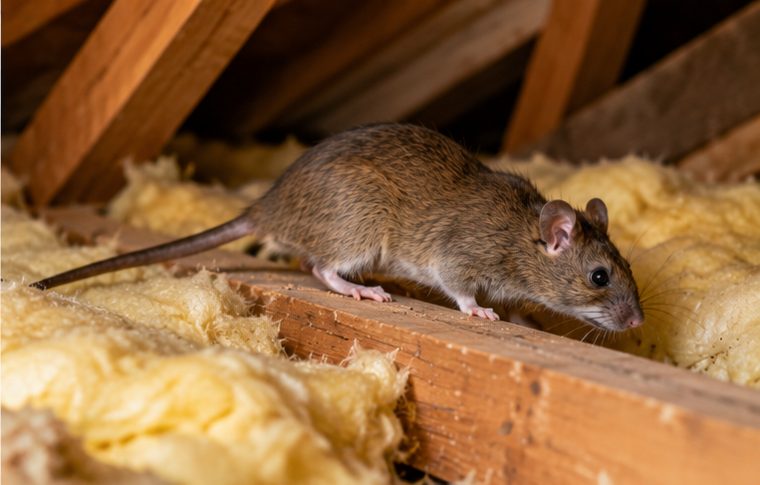
Crawling insects tend to be found in the same few places. Cockroaches like warm, damp spaces such as kitchens and boiler cupboards, and they come out after dark. Ants follow trails to food and are often seen along worktops and window frames. Moths leave small holes in natural fabrics, and carpet beetles do much the same in rugs and stored clothing. Rodents, by contrast, leave bigger evidence: droppings, gnawing, nests built from soft materials and noises inside walls or ceilings.
You can do plenty without taking any risk. Keep food in sealed containers, clear up crumbs and spills, empty bins regularly and fix any dripping taps. Put on gloves and a mask before cleaning up anything that might be droppings, and use a damp cloth rather than a brush so dust does not rise into the air. Wash your hands thoroughly afterwards. Take photographs, note dates, and do not block any holes yet, because sealing one while an animal is still inside can trap it and push it deeper into the building.
Do not put down poison without proper advice. It can be eaten by pets, children or wildlife, and a rodent that dies inside a wall or under floorboards causes a lasting smell and attracts flies. Do not touch droppings or carcasses with bare hands, and never poke at a nest of any kind. Wasps and hornets can sting in numbers when disturbed. Also avoid spraying every product you own around the house, because mixed treatments rarely help and make it harder to work out what was really going on.
Call us if you see signs of rats, hear movement in the ceiling or walls, find a nest, are being bitten and cannot find the cause, or have tried tidying up and the signs keep coming back. We cover Essex, from older houses near the coast and the Thames estuary to newer estates in the commuter towns, and the pests we find do vary with the building. We will identify the pest first, explain what we have found in plain terms and tell you honestly what needs doing.
Most prevention comes down to three things: close the gaps, remove the food and water, and keep the surroundings tidy. Check the outside of the building for holes around pipes, worn air bricks and gaps under doors. Trim back plants that touch the walls, and keep compost and wood piles away from the house. Homes close to farmland, field edges or the edge of Epping Forest often see more wildlife looking for shelter as the weather turns, so a quick check each autumn is worthwhile.
If you would rather not deal with it yourself, call us on 01245 327 274 or send an enquiry below. You can also read more about our pest control service.
 BPCA Member
 CHAS Accredited
 Buy With Confidence
 Three Best Rated 2026
We cover towns and villages across Essex. Choose your area to see how pest control works locally.
Pest problems follow the calendar, so knowing what tends to appear in spring, summer, autumn and winter helps you prepare early and spot trouble before it grows.
Read the guide →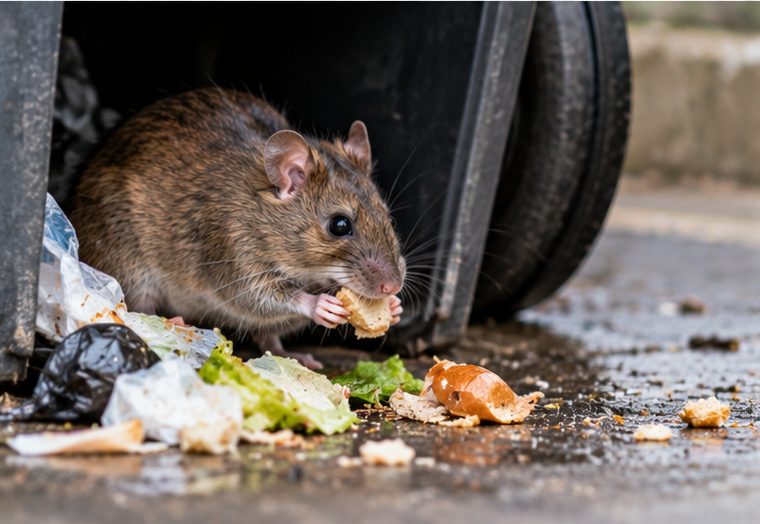
Rats are secretive and mostly active after dark, so the first clues are usually small marks and sounds rather than a sighting of the animal itself.
Read the guide →Mouse droppings are small, thin and pointed at the ends, a bit like dark grains of rice. Rat droppings are noticeably larger and thicker, and often blunt. Size is a useful clue but not proof, so if you are unsure, send us a photograph and we can help you work it out.
No. Noises overhead can also come from squirrels, or even pipes and timbers expanding as the house warms and cools. Timing helps: noise at dusk and through the night often suggests rodents, while daytime movement may point to something else. A visit will settle it.
Not until you are sure nothing is still inside. Sealing a hole too early can trap an animal in the building, where it may chew its way elsewhere or die in a place you cannot reach. Identify the pest first, then repair the entry points once the problem has been dealt with.
No. Clean, well kept houses get pests too, because pests look for warmth, shelter, food and water rather than untidiness. Gaps in the building and food left within reach matter far more than how often you clean. Good housekeeping helps, but it cannot stop every visitor.
Tell us what you have found and roughly where it is. We will come back to you — or call 01245 327 274 if it is urgent.
