
Practical, honest pest control advice for Essex homes and businesses: how to spot a problem, what you can safely do yourself, when to call a professional and how to stop it coming back.

Most household pests leave clues behind, and learning to read droppings, damage, noises and timing will help you decide what you are dealing with and what to do next.
Read the guide →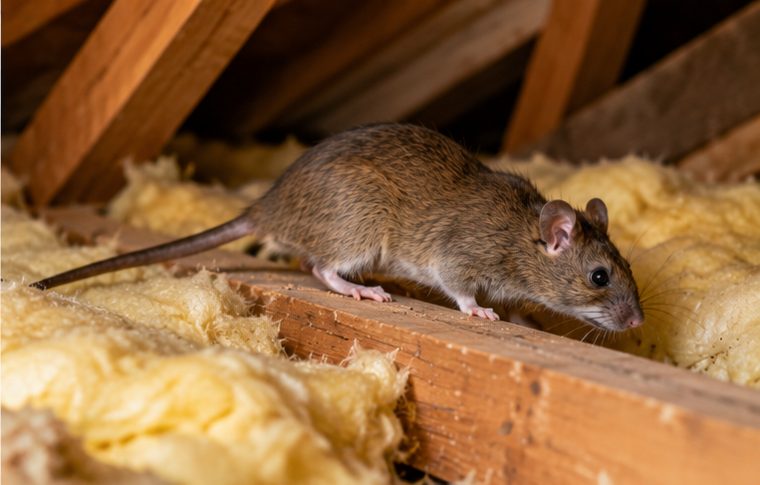
Pest problems follow the calendar, so knowing what tends to appear in spring, summer, autumn and winter helps you prepare early and spot trouble before it grows.
Read the guide →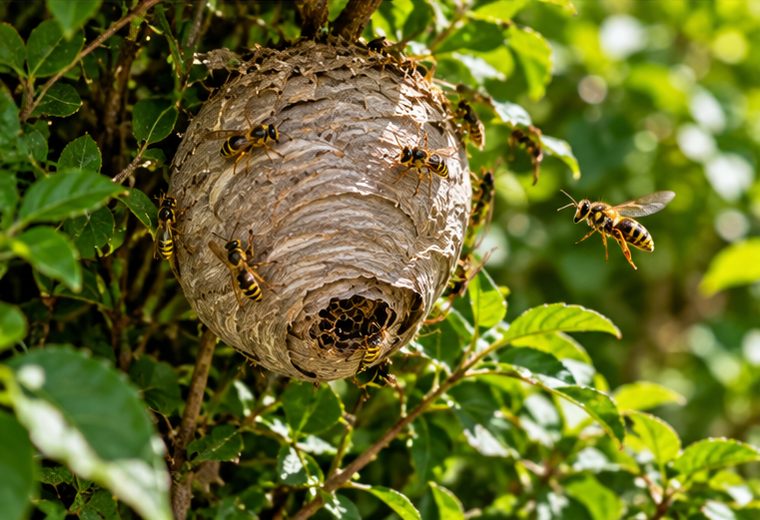
A single wasp is usually just passing through, but a steady stream flying to and from one spot is the clearest sign that a nest is close by.
Read the guide →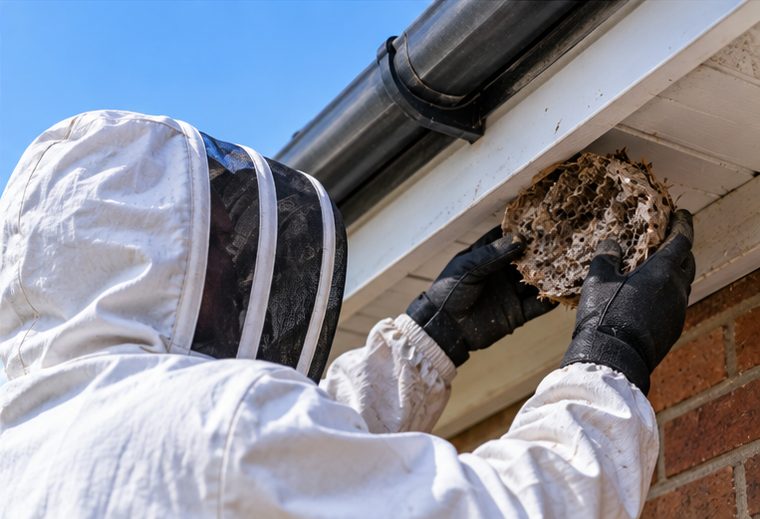
It is tempting to deal with a wasp nest yourself, but stings, falls and a more aggressive colony make it one of the jobs most worth leaving to a professional.
Read the guide →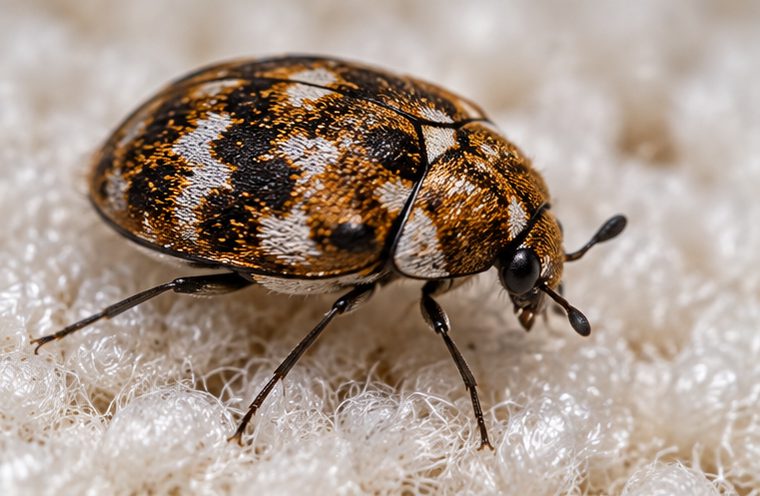
Carpet beetle damage is often found before the insects are, so knowing what small holes, shed skins and thinning patches mean helps you act early.
Read the guide →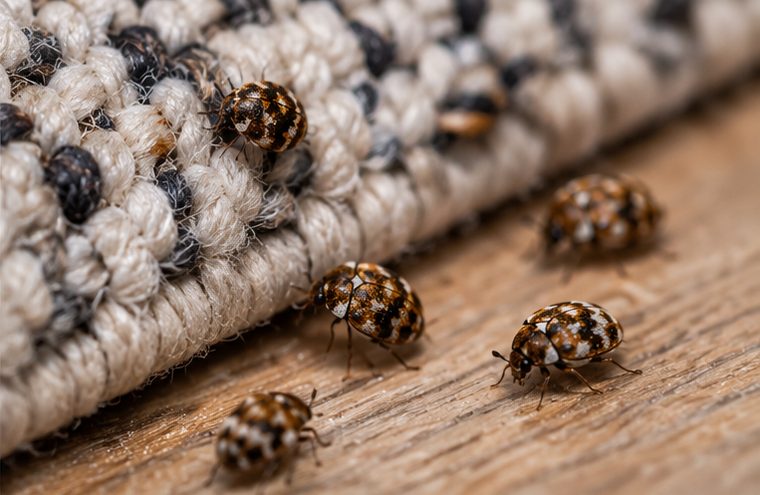
Once carpet beetles have been dealt with, steady cleaning habits, tidy storage and a few small repairs make it much harder for them to settle again.
Read the guide →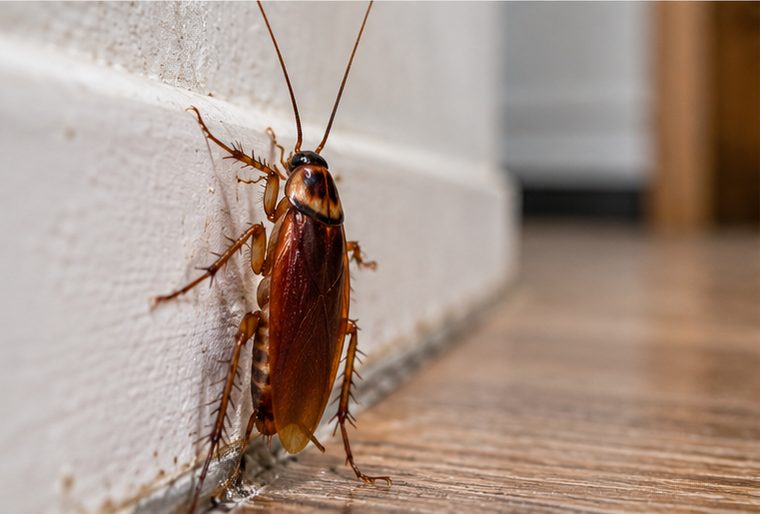
Cockroaches come indoors for food, warmth, water and shelter, so understanding what draws them in is the first step towards making your home less inviting.
Read the guide →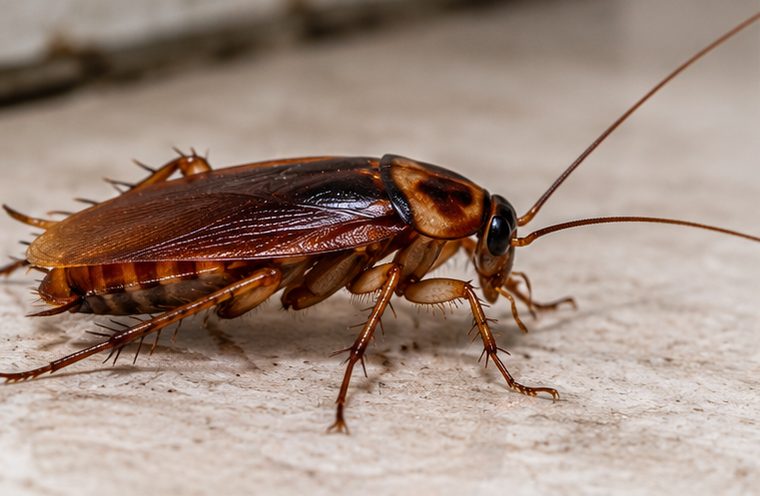
Cockroaches thrive in warm, busy commercial kitchens, so staff who know the early warning signs can protect customers, stock and the reputation of the business.
Read the guide →
A food business cannot afford to share its kitchen with pests, so this guide covers the warning signs, everyday habits and the point at which to call us.
Read the guide →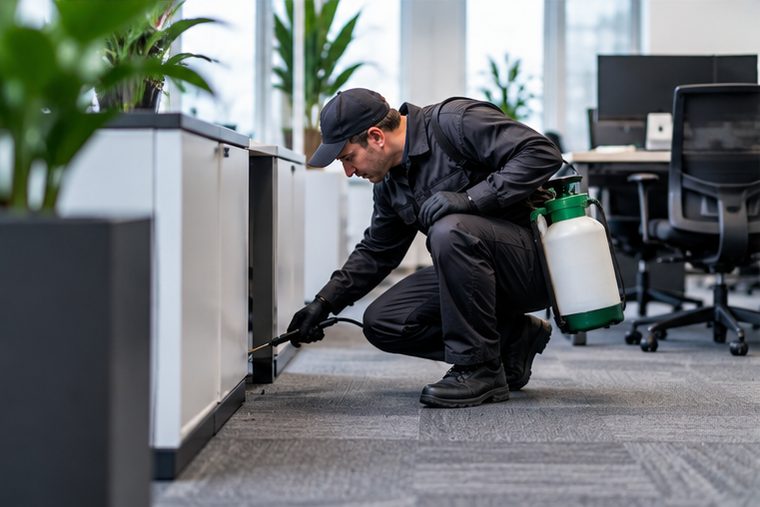
Large buildings with loading doors, stored goods and quiet corners suit pests perfectly, so this guide explains how to spot trouble early and keep your site protected.
Read the guide →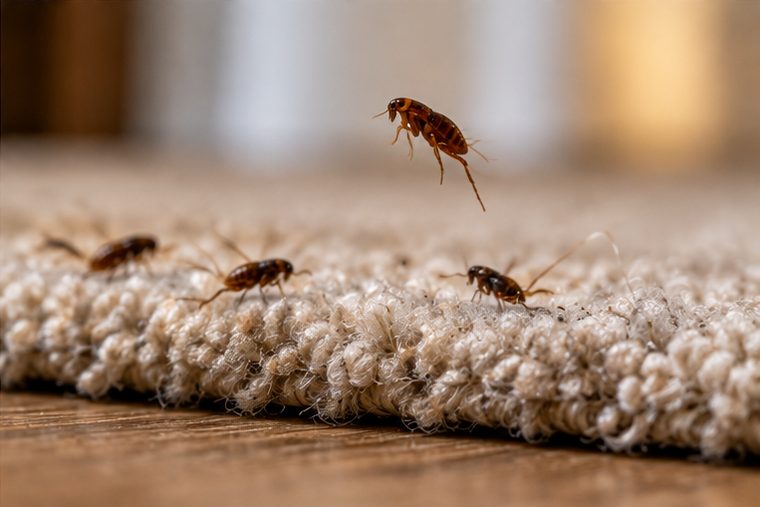
Fleas are small, fast and surprisingly persistent, but a calm and thorough routine, plus professional help when needed, will clear them from your home.
Read the guide →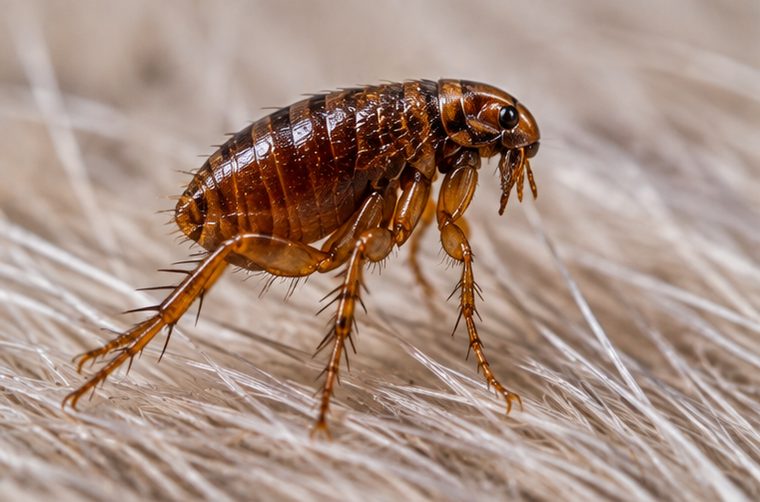
If fleas reappear after you thought the problem was over, the reason is usually in the life cycle or the routine, and it can be put right.
Read the guide →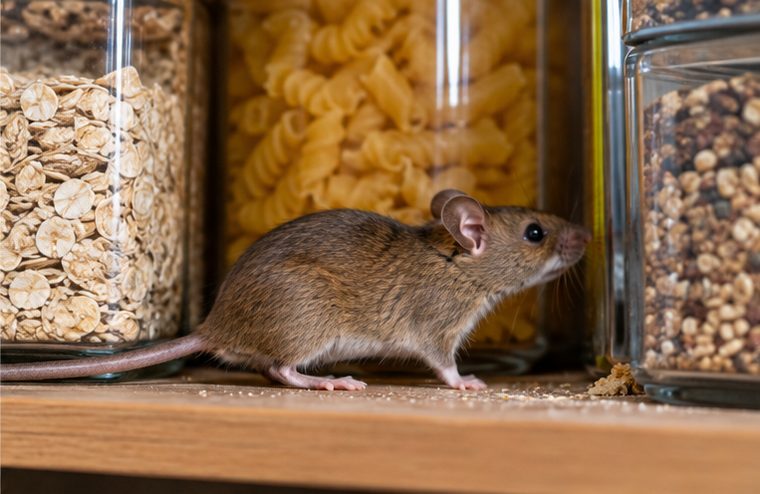
Mice are small, quiet and mostly active at night, so the evidence they leave behind is often the first thing you notice, long before you see one.
Read the guide →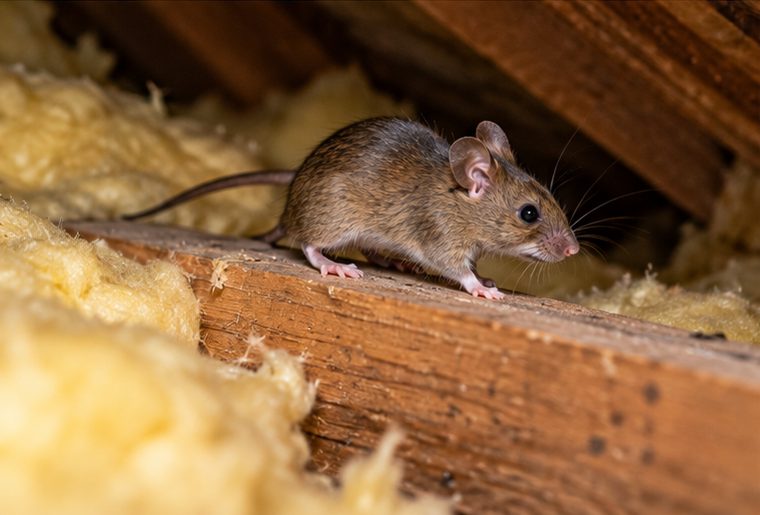
Mice only need a tiny gap to get inside, so stopping them means knowing where homes tend to be weak and tackling the entry points carefully.
Read the guide →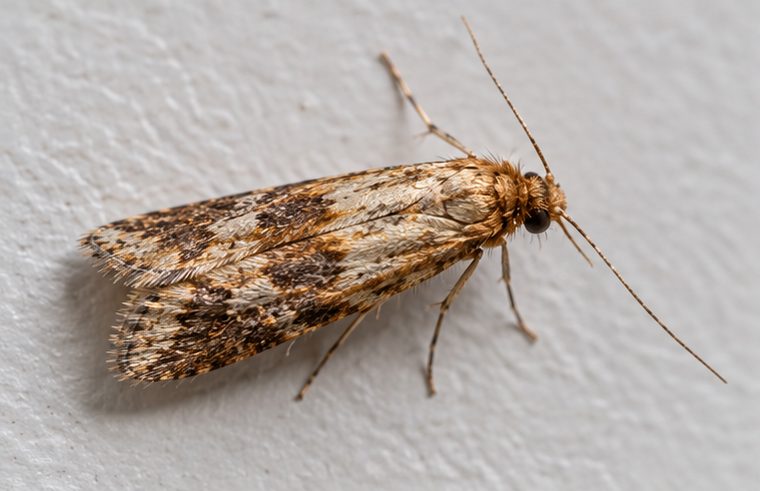
Clothes moths damage natural fabrics quietly, so by the time holes appear the problem has often been developing for weeks in a dark, undisturbed corner.
Read the guide →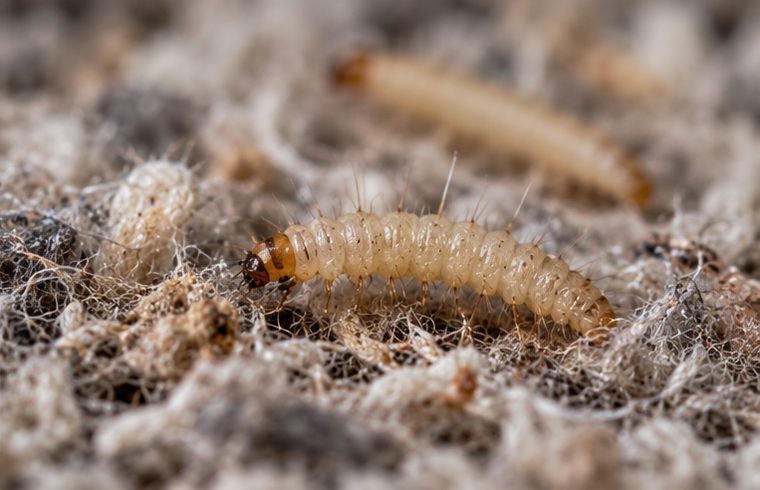
Moth larvae thrive on natural fibres left in dark, still places, so protecting wool and carpets comes down to cleanliness, airflow and sensible storage.
Read the guide →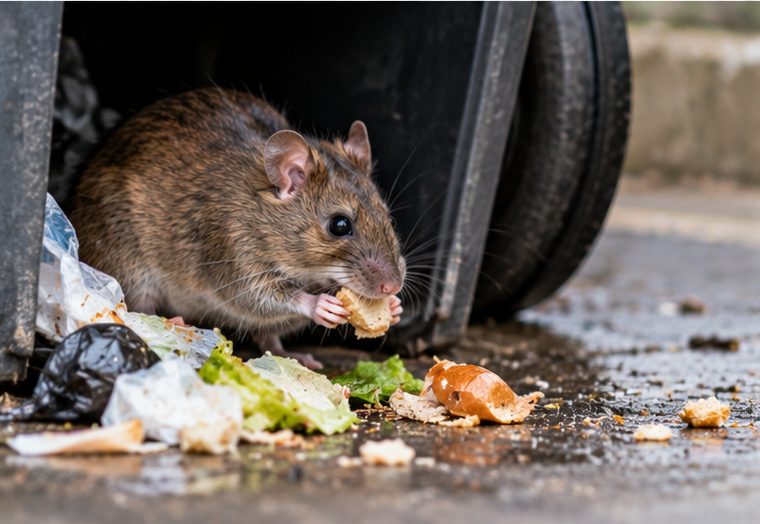
Rats are secretive and mostly active after dark, so the first clues are usually small marks and sounds rather than a sighting of the animal itself.
Read the guide →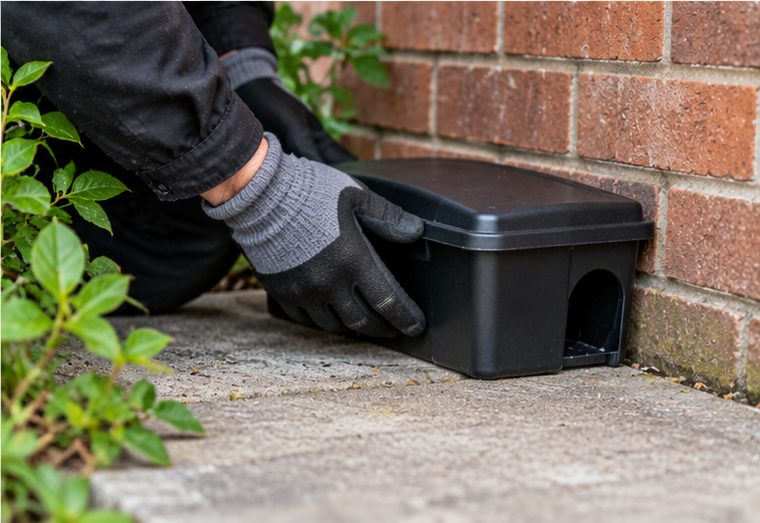
Rats come to gardens for food, water and shelter, so the most reliable way to keep them away is to remove all three before they settle in.
Read the guide →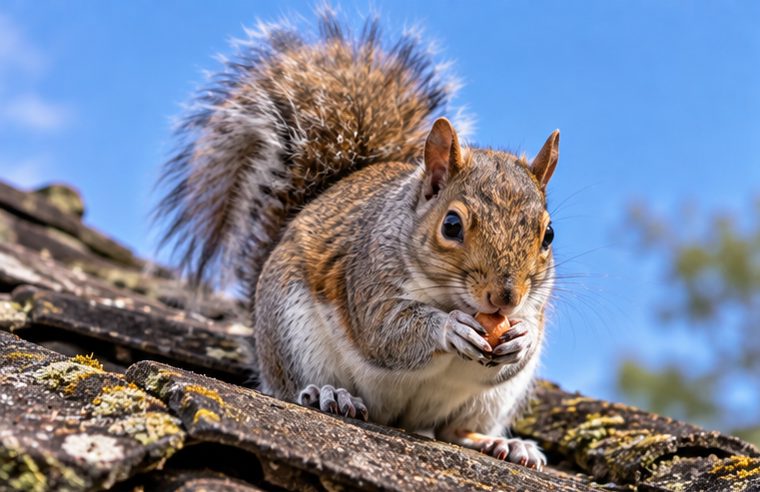
If something heavy is scampering across your ceiling in daylight, grey squirrels are a likely cause, and acting early limits the damage they can do.
Read the guide →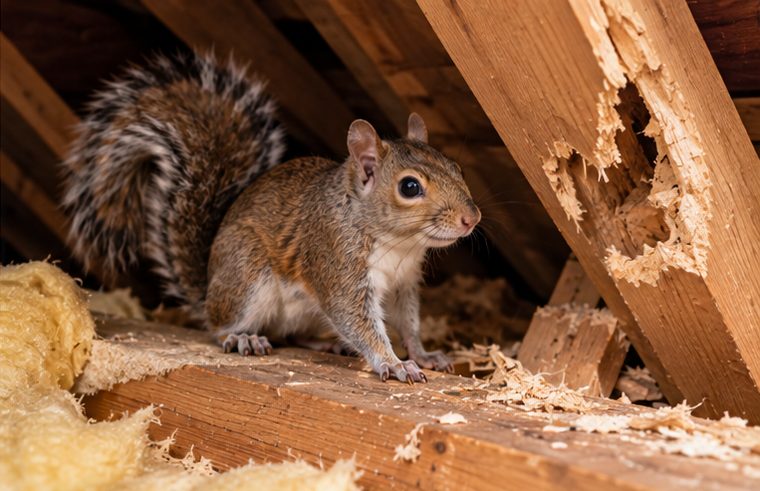
Squirrels gnaw constantly, and in a loft that can mean damaged timber, soiled insulation and chewed cables long before anyone sees the animal.
Read the guide →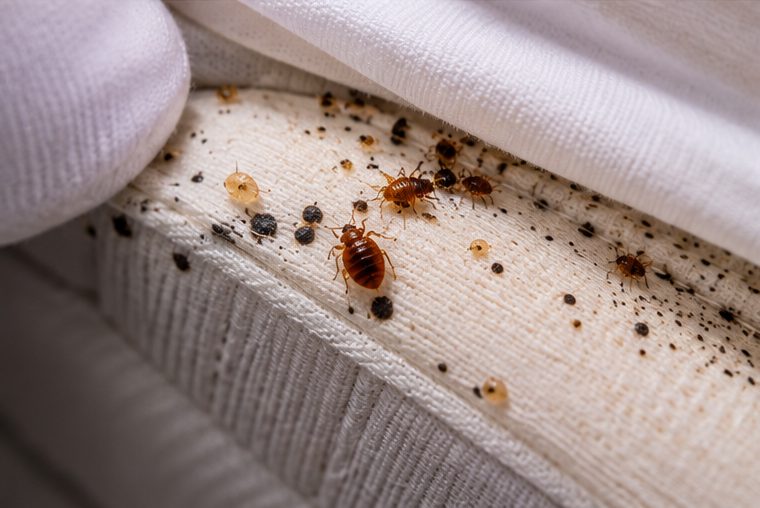
Bed bugs are easy to miss in the first weeks, but a few small signs on bedding and furniture can tell you early, before the problem spreads.
Read the guide →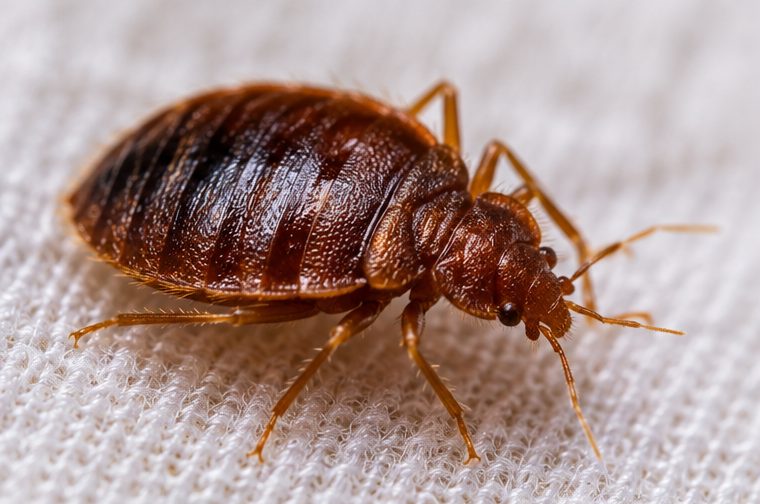
Accommodation with a steady stream of guests and luggage is exposed to bed bugs, so owners benefit from simple routines and a clear plan if a complaint arrives.
Read the guide →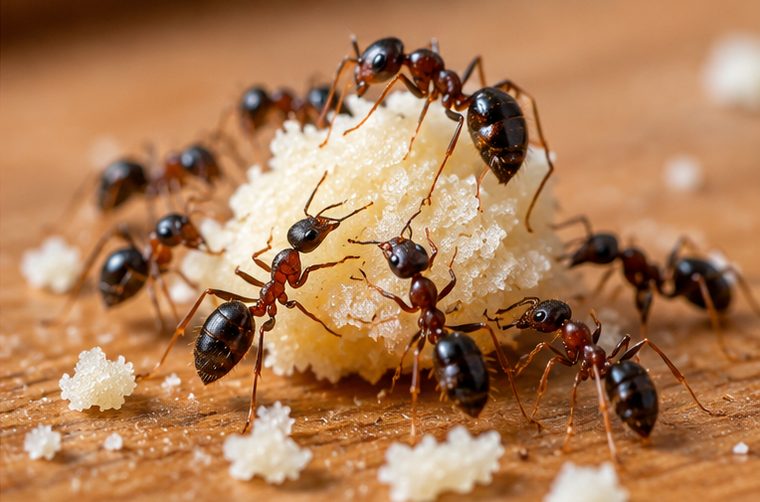
A line of ants across the worktop usually means a scout found food and told the nest, and a few simple habits can break that chain.
Read the guide →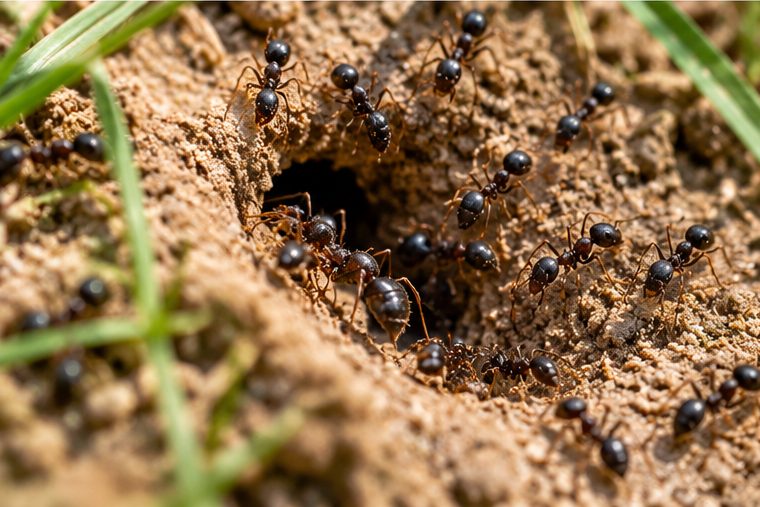
Flying ants are the winged males and young queens of an ant colony, and their sudden summer swarms are usually short lived and harmless.
Read the guide →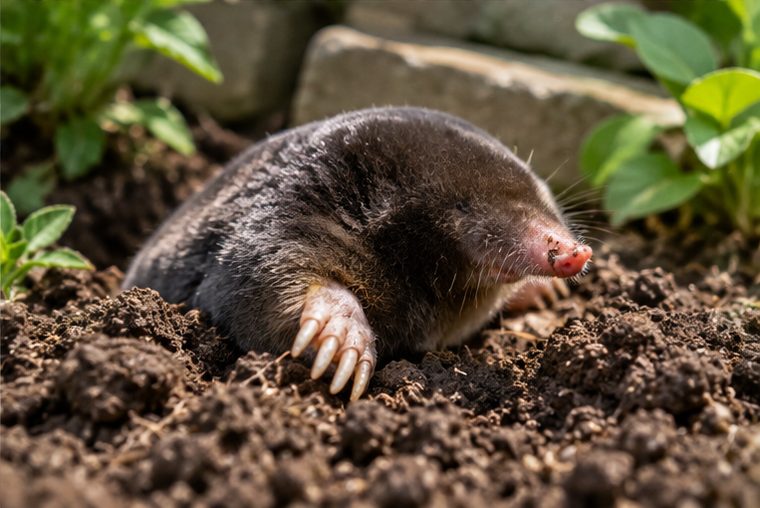
Fresh mounds of loose soil are the classic sign of a mole, but a few other things can look similar, so it pays to check properly.
Read the guide →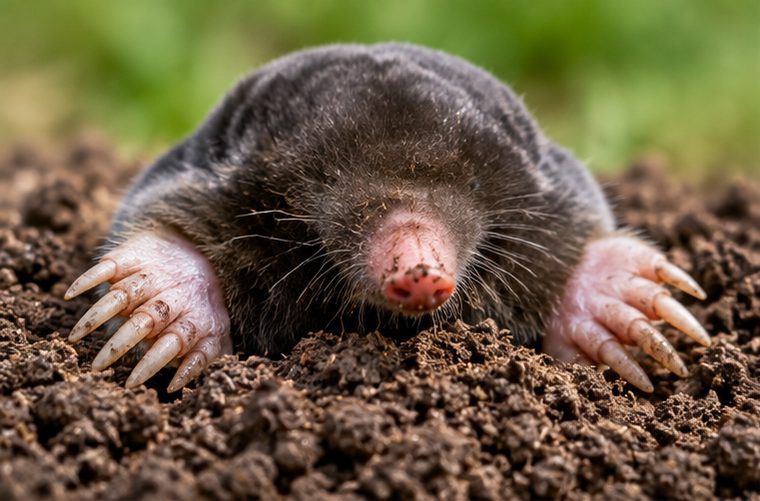
If new molehills keep appearing after you have cleared the old ones, the cause is usually food, soft soil and a tunnel network that never really goes away.
Read the guide →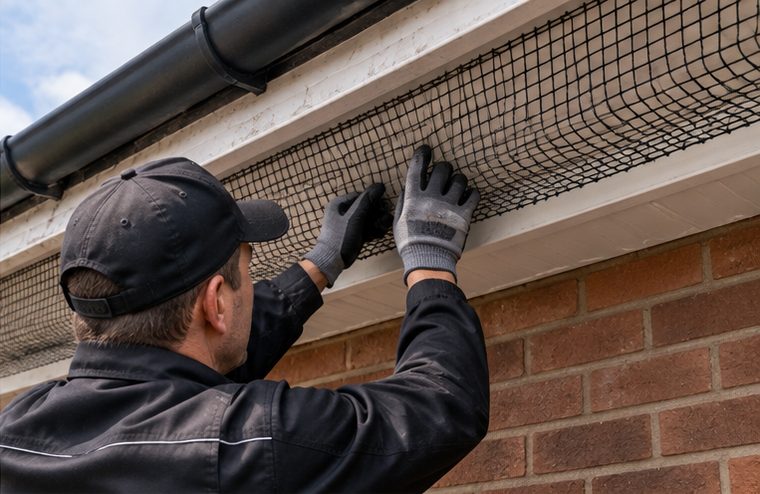
The warm, sheltered gap under rooftop solar panels is very attractive to pigeons, and the fouling and nesting material they leave behind can cause real problems.
Read the guide →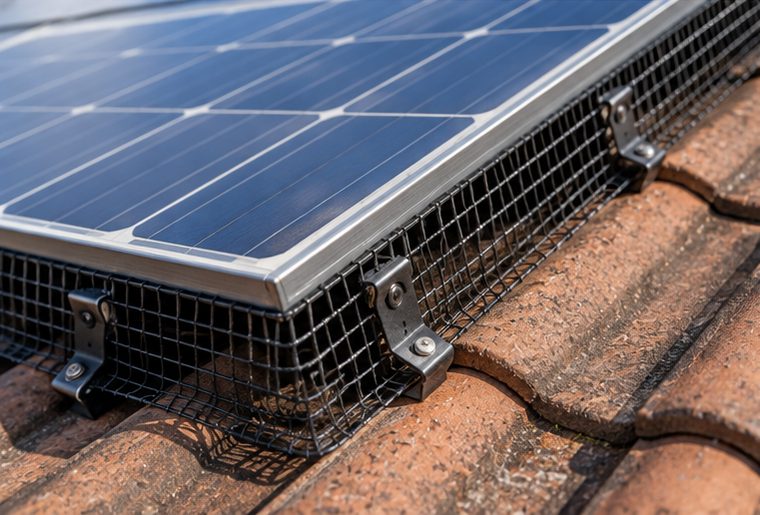
Netting and spikes are the two main humane ways to keep pigeons off commercial buildings, and each suits different parts of a roof.
Read the guide → BPCA Member
 CHAS Accredited
 Buy With Confidence
 Three Best Rated 2026
Yes. If you are not sure what the problem is, call us and describe what you have seen. We will tell you honestly whether it needs a visit or whether there is something simple you can do first.
Wasps, rats, mice, squirrels, moles, ants, fleas, bed bugs, cockroaches, carpet beetles, moths, pigeons and general household pests, plus guides for food businesses and industrial units.
Some jobs are fine, such as cleaning, sealing gaps and removing food sources. Wasp nests, rodents and anything involving poison or heights should be left to a professional.
Tell us what you have found and roughly where it is. We will come back to you — or call 01245 327 274 if it is urgent.
