
A line of ants across the worktop is a common sight in summer, and it rarely clears up on its own. Black garden ants are the usual culprit, drawn indoors by sweet food, crumbs and pet bowls. St Georges Pest Control, based near Chelmsford, helps homes and businesses across Essex deal with ants at the source rather than just wiping up the trail.
Clearing the visible ants only treats the symptom, and more will follow. The nest is the real problem, so our approach is to follow the ants back, find where they live and deal with it in a careful, targeted way that suits the property and the people living or working in it.
 BPCA Member
 CHAS Accredited
 Buy With Confidence
 Three Best Rated 2026
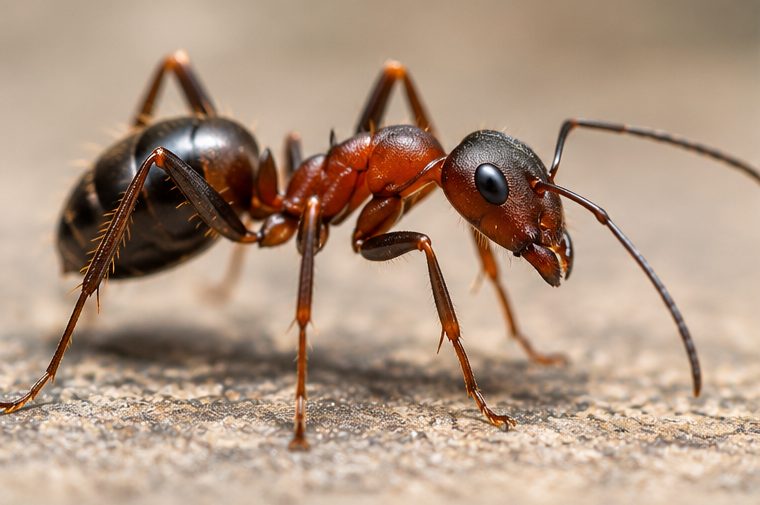
Most garden ants nest outdoors, often under paving slabs, patios, driveways and lawn edges, where you may see small piles of fine soil. Some nests sit in wall cavities, under floors or in warm spots around heating pipes. You will usually notice ants first as a steady trail heading for the kitchen, a bin or a pet food bowl, and then disappearing through a crack in the skirting or around a door frame or a pipe.
In summer, large numbers of winged ants can appear on one warm, humid day. These flying ants are new queens and males leaving the nest to mate, and they are a sign that a nest is close by. Some other species are happy in warm buildings, such as bakeries, hospitals and heated commercial kitchens, where they can survive through the winter and carry on breeding all year round if nobody deals with them, so the response needs to be thorough.
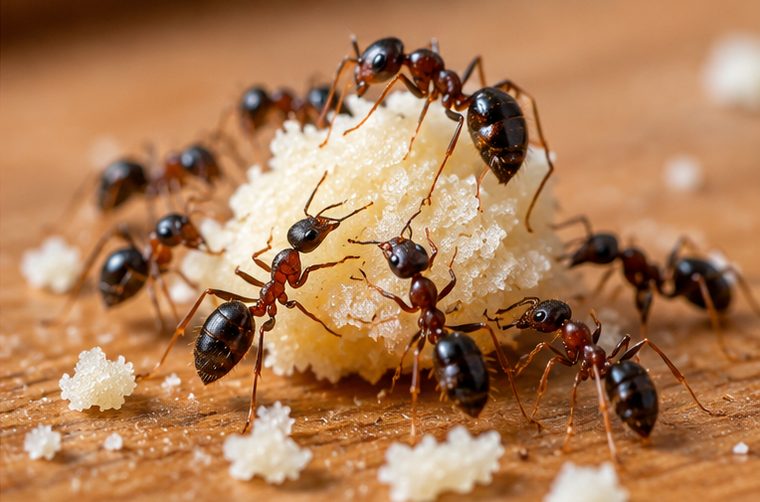
We start by finding the trail and working out where the ants are getting in and where they are going. We then look for the nest, outdoors or inside the structure, and choose a targeted treatment to suit the situation and the kind of ant, taking care around children, pets and food areas. We explain the plan and agree the price with you before any work begins, so you know what to expect and when, with no hidden extras.
Because ants follow scent trails, we also advise on cleaning surfaces and removing whatever attracts them. Treating the nest, rather than just the ants you can see, is what makes the difference. After treatment we look at the gaps and cracks they used and seal what we reasonably can, then explain, in plain terms, what to watch for over the following weeks so you can spot any return early and tell us at once. If ants do reappear, we want to hear about it.
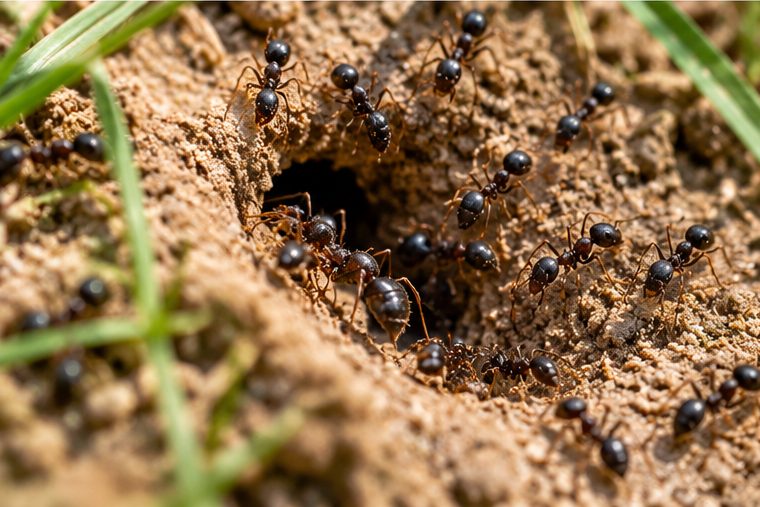
Essex homes range from older cottages and terraces with cracks and gaps to newer estates with paved patios and neat lawns, and ants find their way into all of them. Warm summers and dry spells push ants indoors in search of food and moisture. Properties close to gardens, fields or the coast often see more activity through the season, and ground-floor flats with patio doors can be a favourite target as the weather warms up, particularly if bins or bags are kept close to the door.
Prevention is simple. Keep sweet food, sugar and honey in sealed containers, wash up promptly, clean pet bowls after feeding and take out rubbish regularly. Wipe surfaces where trails appear. We help landlords, holiday let owners, restaurants, care settings and other businesses, where hygiene standards make quick action especially important and a visible trail can quickly damage trust and bring complaints and lost custom with customers, guests and inspectors, so we aim to fit around your opening hours.
We cover towns and villages across Essex. Choose your area to see how ant control works locally.
A line of ants across the worktop usually means a scout found food and told the nest, and a few simple habits can break that chain.
Read the guide →Flying ants are the winged males and young queens of an ant colony, and their sudden summer swarms are usually short lived and harmless.
Read the guide →
Most household pests leave clues behind, and learning to read droppings, damage, noises and timing will help you decide what you are dealing with and what to do next.
Read the guide →Ants follow scent trails to food. Crumbs, sugary spills, open jars and pet bowls are all attractions. If you wipe the trail but the nest survives, more ants will return. We trace the trail to the nest and treat it so the problem stops rather than repeats.
Flying ants are winged queens and males leaving the nest to mate, usually on a warm, humid summer day. They are not a different pest, but they show that a mature nest is nearby. If you see them indoors, contact us and we will look for the source.
Black garden ants mostly cause nuisance and hygiene worries rather than structural damage, though nests under patios can undermine paving over time. In kitchens and food areas, ants can spread contamination, so businesses in particular should deal with them promptly and thoroughly.
Seal food in containers, clean up spills and crumbs, wash pet bowls and keep bins tidy. Fill gaps around doors, pipes and windows where you can. After we treat the nest, we point out the entry routes we found so you can keep them closed.
Tell us what you have found and roughly where it is. We will come back to you — or call 01245 327 274 if it is urgent.
