
Epping sits on the edge of Epping Forest, with an older high street and plenty of period properties, and that setting shapes the pests we meet. Squirrels, rats, mice, wasps, fleas, ants, moths and cockroaches all feature. If something is scratching, nibbling or biting, tell us what you have noticed and we will arrange a visit.
On the first visit we identify the pest, explain how it got in and agree the plan and cost with you before any work begins. We are plain-spoken, patient with questions and honest about what is and is not worth doing.
 BPCA Member
 CHAS Accredited
 Buy With Confidence
 Three Best Rated 2026

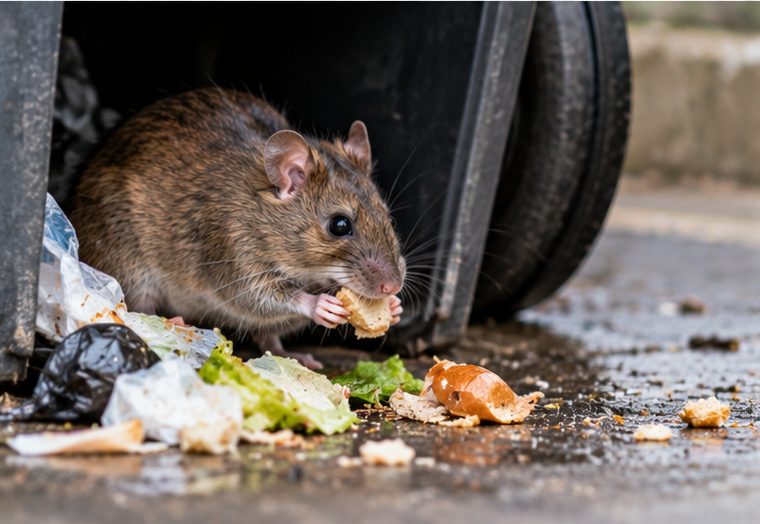
With the forest close to Epping, wildlife is never far from the back garden. Grey squirrels use roofs and eaves for nesting, rats follow food waste and shelter, and mice move indoors when the nights cool. Noises in the loft at dawn and dusk often point to squirrels, while a quieter scratching late at night is more likely to be rodents, so the timing of the noise is a useful clue.
We check the roofline, soffits, vents and any trees touching the building, because entry points are what matter most. Squirrels are covered by rules on how they can be dealt with, so we use lawful and humane methods, then explain how to close the gap so another one does not simply move in, because a vacant nest site is quickly taken by the next squirrel passing through.
Period buildings in Epping have lovely features and awkward voids: lath and plaster, old chimneys, sub-floors and roof spaces with thick insulation or old nesting material. These give pests warmth and shelter, and carpet beetle and moth larvae can feed unseen on wool, fur or old stored textiles in wardrobes, trunks and boxes. Droppings, shed skins and holes in woollens are all clues.
We look in the places that are easy to forget, such as under stairs, around chimney breasts, inside airing cupboards and in lofts, and explain what we find. Treatment is targeted, and we recommend hot washing, careful vacuuming and sealed storage where that helps. Old homes need patience, and we do not rush the inspection, and we tell you if anything needs a builder rather than a pest controller.
Businesses along the high street in Epping deal with deliveries, waste and old premises, all of which help pests find a way in. We inspect back-of-house areas and cellars, identify any activity and agree a plan that fits your trading hours. We also cover Loughton, Harlow and Brentwood nearby, and calls across CM16 are handled with the same plain explanation and agreed plan.
We cover towns and villages across Essex. Choose your area to see how pest control works locally.
Most household pests leave clues behind, and learning to read droppings, damage, noises and timing will help you decide what you are dealing with and what to do next.
Read the guide →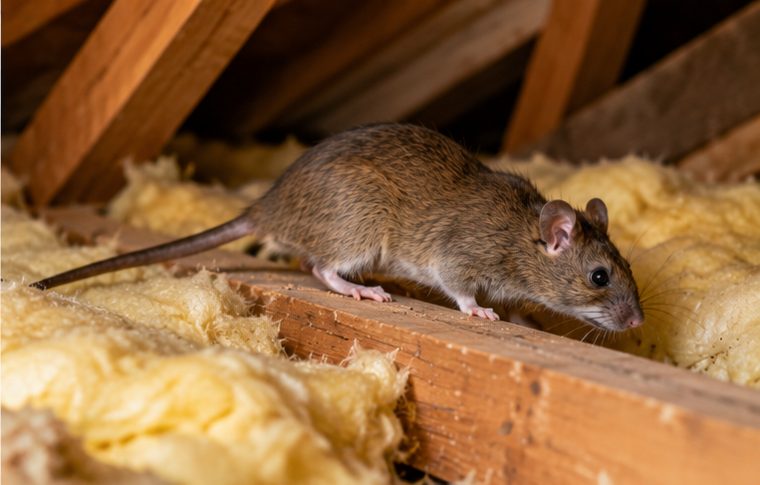
Pest problems follow the calendar, so knowing what tends to appear in spring, summer, autumn and winter helps you prepare early and spot trouble before it grows.
Read the guide →Rats are secretive and mostly active after dark, so the first clues are usually small marks and sounds rather than a sighting of the animal itself.
Read the guide →Squirrels are noisy in daylight, mainly at dawn and dusk, with thumping and scrabbling. Rats and mice are usually quieter and more active at night. A loft inspection for droppings, nesting material and entry points tells us which animal it is.
Yes. We first identify which insect it is, then inspect wardrobes, carpets, under furniture and lofts. Treatment is targeted, and we advise on hot washing, vacuuming and sealed storage, which are important to stop the larvae returning to old carpets, rugs and woollens.
They can, because squirrels and sometimes rodents use branches as bridges to the roof. Cutting branches back, keeping a gap between tree and building and repairing damaged eaves and tiles reduces the chance of an easy way in.
Tell us what you have found and roughly where it is. We will come back to you — or call 01245 327 274 if it is urgent.
