
Whether you are in a newer house on the edge of Braintree, a terrace near the centre or a unit on an industrial estate, pest problems tend to start the same way: a noise, a smell, a bite or a dropping you cannot place. We identify the pest first, then explain what is going on and how we would deal with it.
We cover rats, mice, wasps, fleas, bed bugs, ants, cockroaches, moths, carpet beetle and squirrels. Before we start any treatment we agree the plan and cost with you, so you know where you stand and can ask questions while we are standing in the room.
 BPCA Member
 CHAS Accredited
 Buy With Confidence
 Three Best Rated 2026
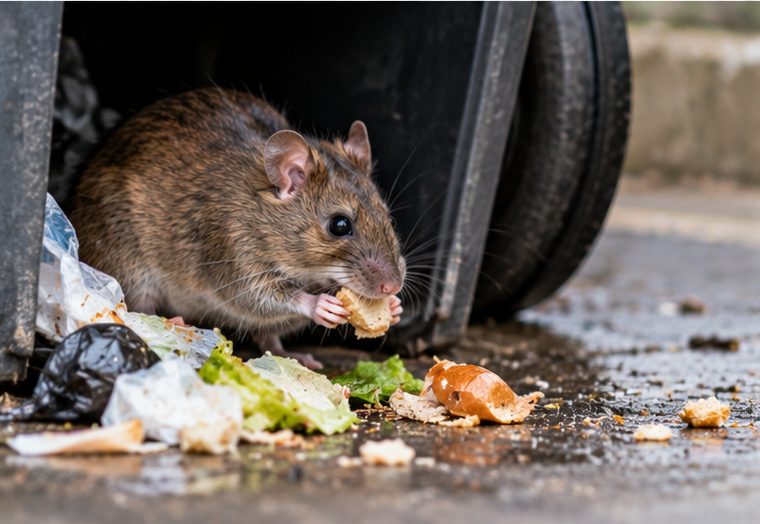
Braintree has farmland around it, and that matters. Grain stores, animal feed and field margins support rat and mouse populations, and when crops are cut or the weather turns cold some of them move towards buildings. Houses on the newer estates at the edge of town are often the first place they meet, because gardens and sheds offer shelter close to open land.
We see this pattern a lot on the fringes of market towns. A garden shed with stored feed, a gap under a garage door or a bin left open overnight is enough to start it. We look at the outside first, check for burrows and runs, and then work inward to find how the pest is reaching the building and where it is nesting or feeding, which tells us what to do next.

The town centre, retail areas and industrial estates in Braintree mean plenty of commercial premises, and these have different pressures: deliveries coming in, waste stored outside, staff kitchens and shutters that do not seal perfectly. A cockroach or mouse sighting in a shop or warehouse needs handling quietly and promptly, before customers, staff or neighbouring tenants start to notice anything wrong, since word travels quickly.
We can visit around your working pattern, explain what we find in plain terms and give you something you can show if you are asked about pest control. We also advise on what your team can do between visits, such as keeping waste areas tidy, rotating stock, checking deliveries and reporting any sightings early, because a quick note about when and where saves time on our next visit.
While you wait for a visit in Braintree, a few simple things help. Keep food in sealed containers, clear spilled crumbs, move stored items away from walls so we can inspect, and write down where and when you notice signs. Please do not block holes or lay your own treatments before we have identified the pest. We also cover Witham, Great Dunmow and Chelmsford nearby, and calls across CM7 are all welcome.
We cover towns and villages across Essex. Choose your area to see how pest control works locally.
Most household pests leave clues behind, and learning to read droppings, damage, noises and timing will help you decide what you are dealing with and what to do next.
Read the guide →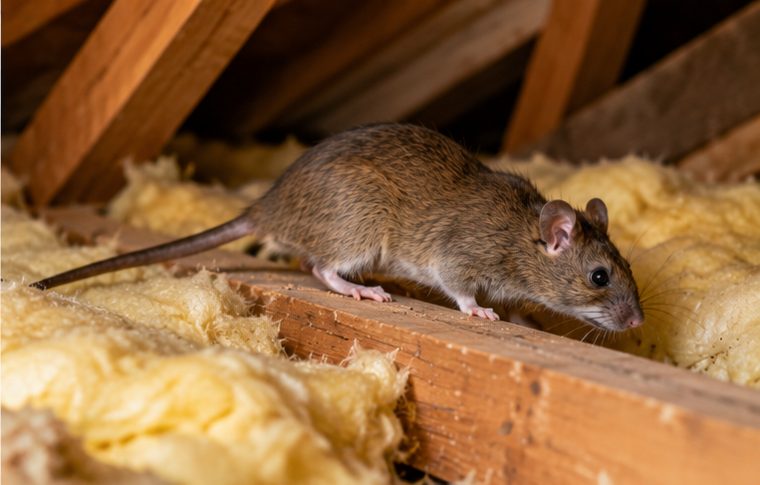
Pest problems follow the calendar, so knowing what tends to appear in spring, summer, autumn and winter helps you prepare early and spot trouble before it grows.
Read the guide →Rats are secretive and mostly active after dark, so the first clues are usually small marks and sounds rather than a sighting of the animal itself.
Read the guide →When fields are cut, the food and cover that rodents have been using disappears, so some move toward nearby buildings, barns and gardens. That is why we see more rodent calls on the edge of town in autumn. Proofing and removing food sources help most.
Yes. We inspect the building, deliveries area and waste storage, identify the pest and explain a plan that fits how you operate. We can keep records of what we find and do, which is useful if a customer or auditor asks about your pest control.
Size is the first clue: rat droppings are noticeably bigger, and rats leave greasy runs along walls and gnaw thicker material. Mice leave small droppings and nibbled packaging. We confirm this on the visit, because the treatment is different for each.
Tell us what you have found and roughly where it is. We will come back to you — or call 01245 327 274 if it is urgent.
