
Moths are quiet pests. You often find the damage long before you see the insect: a small hole in a favourite jumper, a patch of thinning carpet, or silky webbing in the corner of a wardrobe. We help homes and businesses across Essex identify which moth they have, remove it, and stop it returning. Spotting it early saves a lot of expensive damage.
Our technicians work from our base near Chelmsford. We inspect carefully, explain what we find in plain language, and agree the price with you before any treatment begins. Where the cause is simple, we say so and tell you what you can do yourself. We also leave you with clear steps to follow afterwards.
 BPCA Member
 CHAS Accredited
 Buy With Confidence
 Three Best Rated 2026
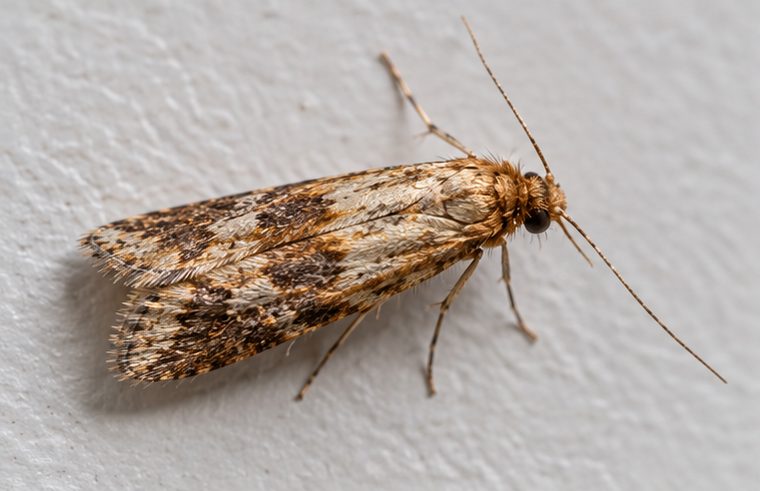
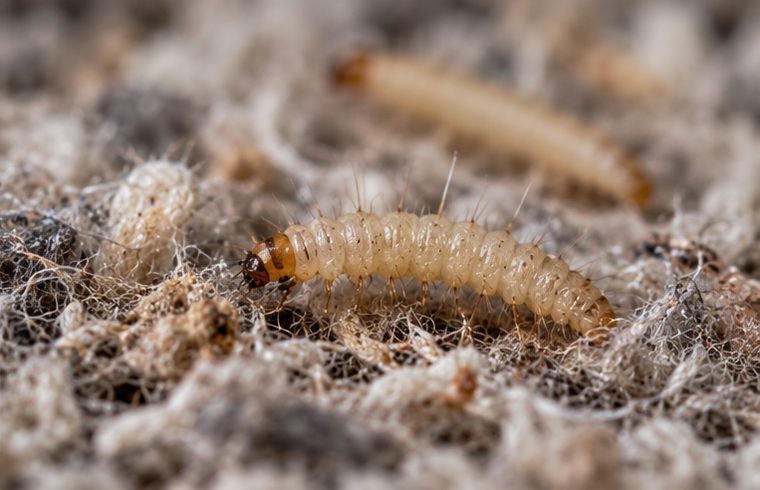
Clothes moths and carpet moths are the usual culprits indoors. The adults are small and buff coloured, and they avoid light, so you are more likely to see one flutter out of a wardrobe than fly around a lit room. It is the larvae that do the harm, feeding on wool, cashmere, fur, felt, silk, carpets and upholstery and leaving irregular holes behind. Look at the folds of wool items and the seams of coats, where larvae shelter and feed unseen.
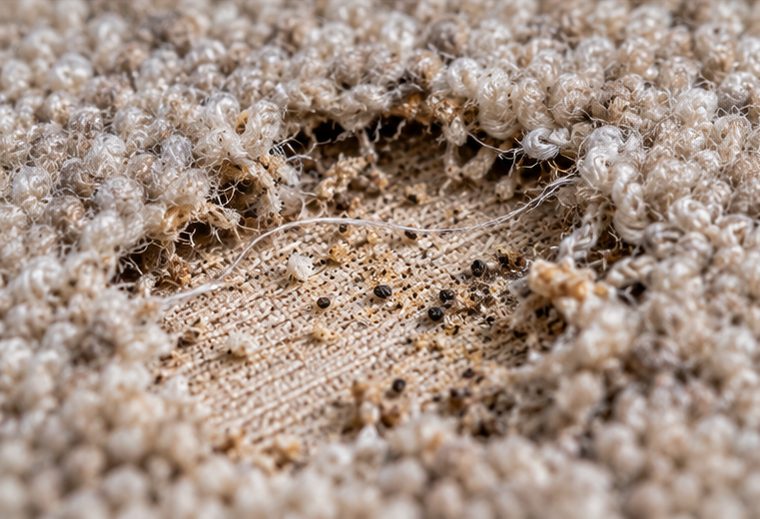
Look for silky webbing, cases or tiny cast skins, and for bare patches under furniture or along the edges of rugs where nobody disturbs the pile. Pantry moths are a different problem. They turn up in food cupboards, where they live in dry goods such as flour, cereals and dried fruit, and leave webbing in the packets themselves. Moth cases and gritty specks beneath the damage are further signs that larvae have been feeding there for some time.
Moth damage is costly because it is slow and hidden. Larvae prefer dark, undisturbed places, so they work away in the back of wardrobes, drawers, loft storage, under heavy furniture and in the folds of upholstery. Items that have been put away for the season, inherited pieces and rarely used rugs are especially at risk because nobody is looking at them. Warm, centrally heated homes let them breed through much of the year, not only in summer.
A small infestation can spread from one garment to a whole room if it is left alone. Natural fibres that carry food or body oils are the most attractive. Because adults hide and larvae stay out of sight, a quick glance is rarely enough, which is why our inspection covers wardrobes, carpets, skirtings, under furniture and, where relevant, lofts. Second hand furniture, rugs and clothing can also bring them in without anyone realising. Acting early limits the number of items affected.
We identify the type of moth first, because the treatment differs. We then apply a targeted treatment to the affected areas and explain what to do with the clothes and fabrics involved. Small items can be washed hot or frozen to kill the young stages, and everything should be vacuumed, including the corners and edges that are easy to miss. Pheromone traps help us and you to monitor what remains. We show you exactly where we have treated.
Afterwards we suggest keeping clean clothes in sealed bags or boxes, airing wardrobes and vacuuming under furniture regularly. For food moths, we advise discarding infested packets and storing dry goods in sealed containers. The service suits homeowners, landlords, holiday lets, and businesses with stock, soft furnishings or stored textiles, and the price is agreed before any work starts. We can also give simple routines for managing stored winter clothes between seasons. Ask us if you are unsure about any particular fabric or item.
We cover towns and villages across Essex. Choose your area to see how moth control works locally.
Clothes moths damage natural fabrics quietly, so by the time holes appear the problem has often been developing for weeks in a dark, undisturbed corner.
Read the guide →Moth larvae thrive on natural fibres left in dark, still places, so protecting wool and carpets comes down to cleanliness, airflow and sensible storage.
Read the guide →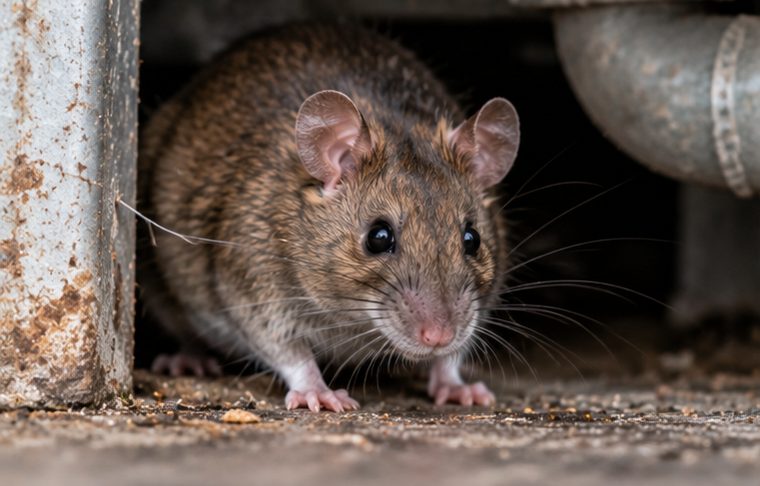
Most household pests leave clues behind, and learning to read droppings, damage, noises and timing will help you decide what you are dealing with and what to do next.
Read the guide →It can be hard to tell, because both leave holes and webbing and both stay hidden. Clothes moths are found mainly in wardrobes and drawers, carpet moths in rugs and under furniture. We identify the type during the inspection and treat the right areas accordingly.
Not always. Small items can often be washed hot or frozen, which kills the larvae and eggs. Badly eaten pieces are usually past saving. We talk you through what to keep, what to wash and what to bin, so nothing infested goes back into a wardrobe.
Yes. Pantry moths breed in dry goods such as flour, cereals and dried fruit. We inspect the cupboards, advise which packets to throw away, and treat the cracks and shelf edges. Keeping food in sealed containers afterwards helps prevent a return. We keep the advice practical.
A return is possible if infested items remain or new ones are brought in. That is why we advise on hot washing, vacuuming and sealed storage, and why traps are useful afterwards. If you still see moths later, contact us and we will take another look.
Tell us what you have found and roughly where it is. We will come back to you — or call 01245 327 274 if it is urgent.