
Cockroaches are unpleasant, secretive and hard to shift without help. They come out at night, hide in warm, damp, dark places during the day, and walk across food surfaces, spreading germs as they go. If you have seen one in the kitchen after dark, there are usually many more nearby, out of sight and breeding. Acting early matters.
We treat homes, flats, takeaways, restaurants and shared buildings across Essex. Our technicians travel from our base near Chelmsford, find where the cockroaches are living, explain it plainly, and agree the price with you before any work begins. A technician stays to explain what is happening.
 BPCA Member
 CHAS Accredited
 Buy With Confidence
 Three Best Rated 2026
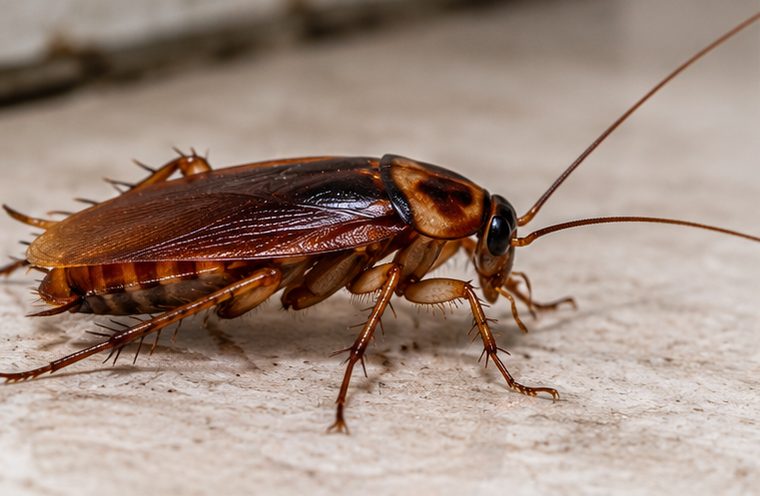
Droppings that look like ground pepper or coffee grounds are a common sign, usually along the backs of cupboards, under sinks and around appliances. You may also notice a musty, oily smell, small brown egg cases, shed skins, and smears on surfaces where they travel. A smell that gets stronger in a closed cupboard is a useful warning. Sticky, greasy marks near warm motors, such as fridges and boilers, are also worth checking, since cockroaches like the heat.
Live cockroaches are mostly seen at night, so switching the kitchen light on late can reveal them scattering. Seeing one in daylight often points to a large population hiding nearby. Check behind kitchen units, around the dishwasher and washing machine, near drains and in bin stores, since these are favourite harbourages and are easy to overlook. A torch shone along skirting at night often shows more than the daytime ever does. Damp bathrooms and utility rooms deserve a look as well.
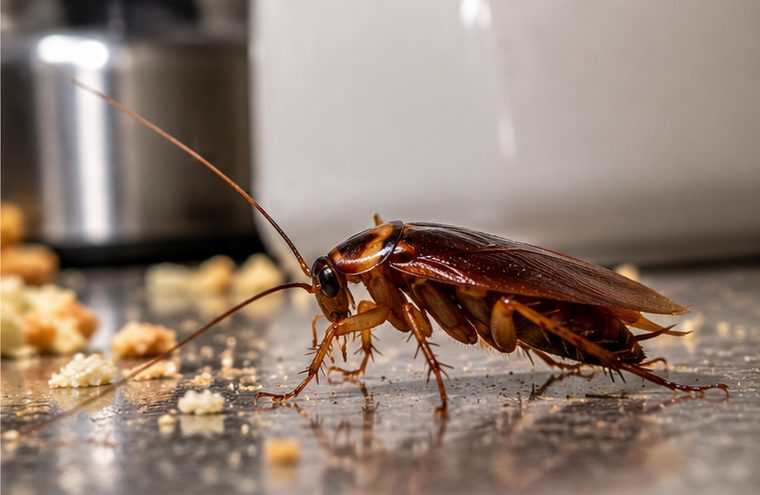
Our approach begins with a thorough inspection to locate harbourages, entry routes and food sources. We talk through what we find, then carry out a targeted treatment where the cockroaches live and travel, placed carefully and with children, pets and food preparation areas in mind. Precision matters, because treating random spots rarely reaches the insects. We take time to explain where each product has been placed and how long to leave it undisturbed, so you do not wipe it away by mistake.
We then monitor the situation. Cockroaches breed quickly, and eggs can hatch after a treatment, so a return visit to check activity is often needed. We record what we see, adjust the plan where necessary, and tell you plainly when the problem appears to have been cleared and when it has not, so you are never left guessing. Staff and householders are told what to look for between visits. We keep any written notes simple and clear.
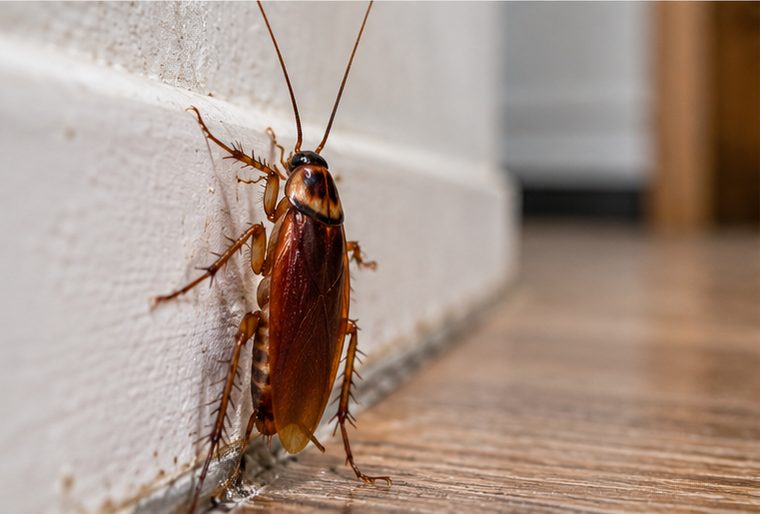
Treatment works better alongside good habits. Clean up crumbs and grease, empty bins regularly, fix leaking pipes, store food in sealed containers and keep floors dry at night. Seal gaps around pipes, units and skirting, since cockroaches can slip through very narrow cracks. We explain which of these matter most in your particular kitchen or building. Clearing clutter and cardboard stacks removes the shelter they rely on. Dry, tidy kitchens are much harder for them to live in.
Cockroaches travel between flats through shared pipework and ducts, so shared buildings and blocks benefit from coordinated action. Essex towns have many takeaways, cafes and restaurants, as well as flats and older housing, and we plan visits around opening hours. Landlords and managing agents are welcome to get in touch about single homes or whole blocks. We keep disruption low and can work quietly outside busy periods. Takeaway owners and flat residents alike can ask about a plan that suits their building.
We cover towns and villages across Essex. Choose your area to see how cockroach control works locally.
Cockroaches come indoors for food, warmth, water and shelter, so understanding what draws them in is the first step towards making your home less inviting.
Read the guide →Cockroaches thrive in warm, busy commercial kitchens, so staff who know the early warning signs can protect customers, stock and the reputation of the business.
Read the guide →
Most household pests leave clues behind, and learning to read droppings, damage, noises and timing will help you decide what you are dealing with and what to do next.
Read the guide →Usually because a hidden population survived, eggs hatched after treatment, or a neighbouring unit shares the same pipes and voids. We monitor after the first visit and advise on proofing, cleaning and shared areas so that the real cause is dealt with, not just the visible insects.
They can carry germs on their bodies and spread them onto food, plates and worktops as they move around. That is why they matter so much in kitchens and food premises. Prompt treatment and good cleaning habits reduce the risk, and we are glad to explain both.
Often some preparation helps, such as clearing the area under the sink and the worktops. We explain exactly what to do when we book or on arrival. Food and utensils are kept covered or moved, and we tell you when it is safe to resume.
Yes. We plan visits around service hours, treat the affected areas, and keep a written record of what we find and do, which is useful when food safety checks ask for evidence of pest control. We also give practical cleaning and proofing advice to staff.
Tell us what you have found and roughly where it is. We will come back to you — or call 01245 327 274 if it is urgent.
