
Mice are a common call-out in Braintree, from a single kitchen cupboard to a stockroom with chewed packaging. The fix is rarely just putting down a trap. We follow a set routine of inspection, treatment, monitoring and proofing, and we stay involved until the signs stop. Here is what each stage involves and what you can do to help.
Braintree mixes a town centre, retail areas, industrial estates, newer housing and farmland close by, so mice can arrive from several directions. That variety means no two jobs in CM7 look quite the same, and we plan each one around the building in front of us rather than a fixed routine.
 BPCA Member
 CHAS Accredited
 Buy With Confidence
 Three Best Rated 2026
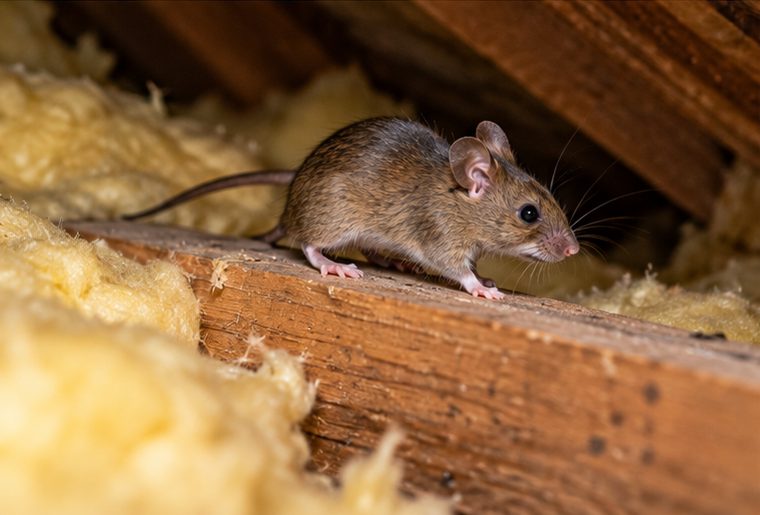
Every job starts with a careful look. We check for droppings, urine staining, gnawed packaging, nests made from shredded paper or fabric, and the dark greasy marks mice leave where they brush against walls. In a house that might be the kitchen, the loft and the space behind the boiler. In a Braintree retail unit it is more often the stockroom, the bin store and the loading door.
From the evidence we work out roughly how many mice are involved, how long they have been there and which way they travel. We also look outside for what draws them in, such as overgrown edges, bins that do not close and gaps at ground level. You will get a plain explanation of the findings and a plan you can agree before we begin any treatment.
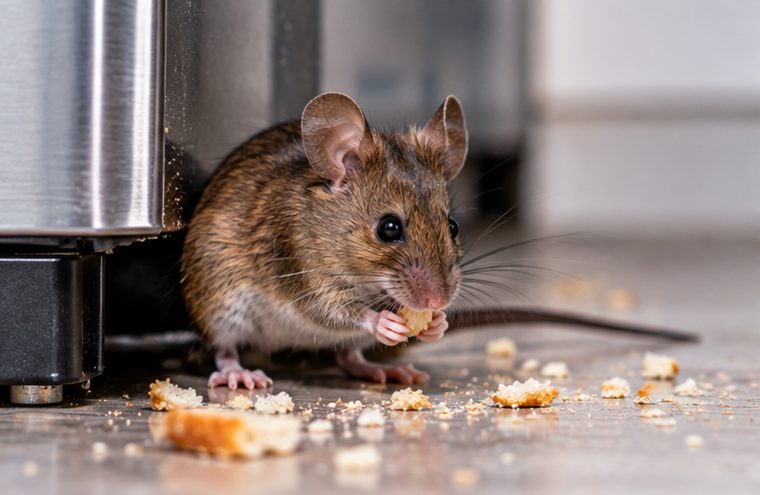
Treatment uses traps and, where it can be done safely, bait in secured stations. We place them along the paths mice use, not in open floor space, and keep them clear of pets, children and food, which matters in any Braintree kitchen or stockroom. In busy premises we also record each station on a simple plan so staff know what is where and nobody disturbs them while cleaning.
Monitoring is stage three in practice, and it carries most of the weight. We return over several weeks, empty and reset traps, replace bait only where it has been taken and watch for fresh droppings. If activity moves, we move with it. For a Braintree business that needs a written record of visits, we can leave notes of each check so you have something to show an auditor.
Once the signs have stopped in Braintree, we close what we can: gaps round pipes and cables, damaged air bricks, worn door seals and holes in outbuildings. Keep food in hard containers, raise stock off the floor in commercial spaces and clear spillages quickly. We also cover Witham and Great Dunmow, so nearby neighbours and businesses can call on the same programme.
We cover towns and villages across Essex. Choose your area to see how mouse control works locally.

Mice are small, quiet and mostly active at night, so the evidence they leave behind is often the first thing you notice, long before you see one.
Read the guide →Mice only need a tiny gap to get inside, so stopping them means knowing where homes tend to be weak and tackling the entry points carefully.
Read the guide →
Most household pests leave clues behind, and learning to read droppings, damage, noises and timing will help you decide what you are dealing with and what to do next.
Read the guide →Most commercial jobs run over several weeks, with an inspection, trap and bait placement and then repeat checks. The length depends on how many mice there are and how many gaps they use. We finish when the monitoring shows no new activity, then agree a schedule for occasional checks.
You can, but results are often patchy. Poison placed in the wrong spot can be eaten by pets or leave dead mice in walls, and traps set in open areas catch little. We position them along known runs, check them regularly and deal with the entry points as well.
Anything edible or warm: spilled stock, crumbs under racking, cardboard for nesting and unsealed doors. Keeping floors clear, storing goods off the ground and fixing door gaps removes most of the appeal. We point out the weak spots on site when we inspect.
Tell us what you have found and roughly where it is. We will come back to you — or call 01245 327 274 if it is urgent.