
Mice in the loft or behind the kitchen units are a common call in Rochford, and the answer is rarely a single trap. We work through a programme: find the entry points, set traps and bait where it is safe, return to see what has changed, and proof the property afterwards.
Our work covers the SS4 area, taking in the older centre, newer housing and the farmland around the town. Each property has its own weak points, so we spend time looking before we put anything down, and we explain the plan in simple terms.
 BPCA Member
 CHAS Accredited
 Buy With Confidence
 Three Best Rated 2026
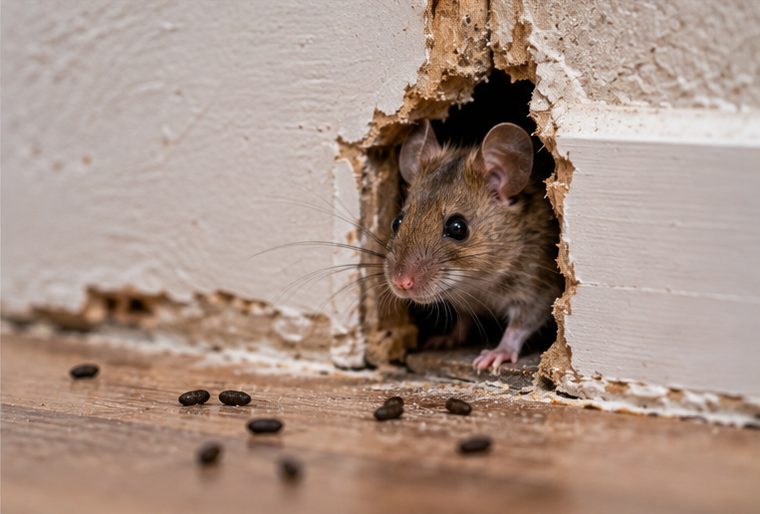
Rochford is a market town close to Southend, with an older centre, newer housing and farmland around it. Fields, hedgerows and farm buildings provide food and shelter for mice, and many of them move toward houses and outbuildings once crops are cut and the weather cools. Homes at the edge of town often notice this first, usually as a sound in the roof space or a damp-looking trail along a wall.
During our inspection we walk the outside of the property as well as the inside, looking at garden sheds, garages, stored feed or pet food, and compost areas. Inside, we check kitchens, utility rooms and lofts for droppings, gnawing and nests. The aim is to understand the route in and what is keeping mice nearby, whether that is spilled seed, open bins or a warm, undisturbed corner.
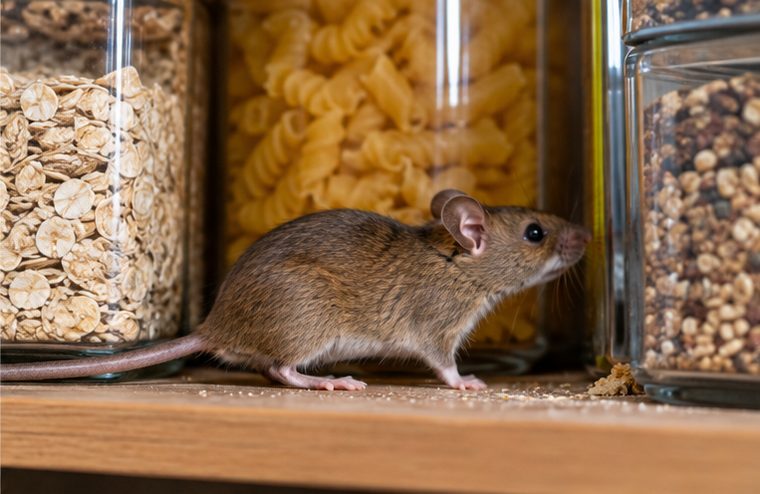
Once traps and bait are in place, we come back at planned intervals, usually over several weeks. At each visit we look at what has been caught, check bait stations, and search for fresh droppings or new gnawing. If something has changed, we adjust the layout. If nothing has, we have a good sign the numbers are falling, and we still keep looking for a few more visits.
This repeat checking is what separates a proper treatment from a quick fix. A property in Rochford that sits next to open land may be re-visited by mice more than once, so we keep careful notes. When the checks have been clear for long enough, we remove the equipment and talk through what we recommend you do to keep the property secure.
Older buildings in Rochford may have worn brick, loose pipe collars and gaps beneath floors, while newer homes can have gaps round services and garage doors. We seal what we can and suggest sensible changes to food storage and waste. We also cover Southend-on-Sea, Leigh-on-Sea and Wickford if you are near the town's edge, or manage a second property that needs the same checks.
We cover towns and villages across Essex. Choose your area to see how mouse control works locally.
Mice are small, quiet and mostly active at night, so the evidence they leave behind is often the first thing you notice, long before you see one.
Read the guide →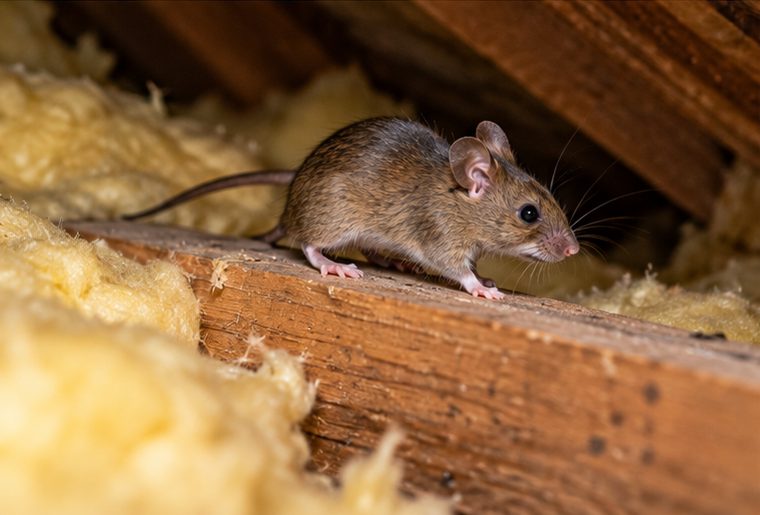
Mice only need a tiny gap to get inside, so stopping them means knowing where homes tend to be weak and tackling the entry points carefully.
Read the guide →
Most household pests leave clues behind, and learning to read droppings, damage, noises and timing will help you decide what you are dealing with and what to do next.
Read the guide →When crops are cut, mice lose cover and food and look for new shelter. Houses, sheds and garages close to farmland are the obvious choice. Sealing gaps and keeping food in sealed containers makes your property a less attractive option.
Yes. Outbuildings are often where mice settle first, so we check them as part of the inspection. If bags of seed, pet food or bedding are stored there, we suggest moving them into lidded containers so they are not an easy meal.
Many people hear less noise within the first week or two as traps start working, but we do not call a job finished on that alone. We judge it by what the repeat visits find, and carry on until the signs have stopped.
Tell us what you have found and roughly where it is. We will come back to you — or call 01245 327 274 if it is urgent.
