
Mice turn up in all kinds of buildings in Witham, from a terraced house to a warehouse. What stays the same is the method: look closely, find the entry points, place traps and bait where it is safe, return to monitor, and finish by proofing the gaps so mice have fewer ways back in.
We cover the CM8 area, including the town centre, retail areas, newer estates and the industrial units. Domestic customers and commercial managers both get a plain explanation of what we found and what the plan is, with no jargon.
 BPCA Member
 CHAS Accredited
 Buy With Confidence
 Three Best Rated 2026
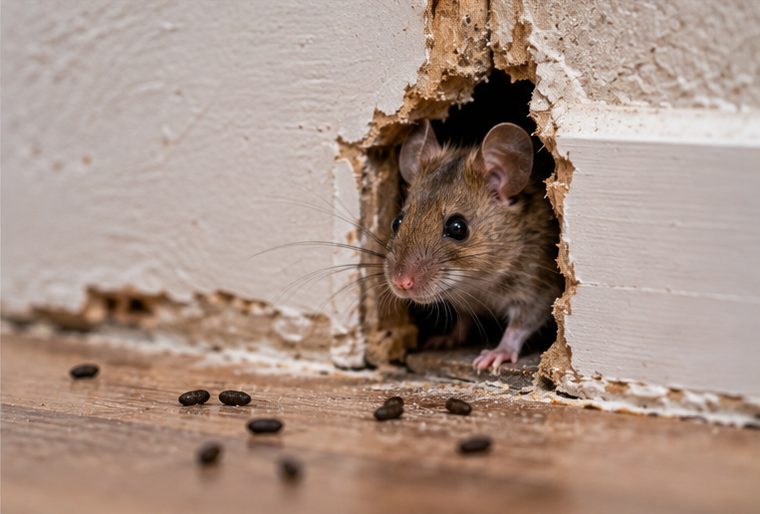
Witham has retail areas and industrial units, and these places have things in common that suit mice: loading doors that stand open, pallets and packaging that make good nesting material, and quiet corners in storerooms. Staff often only spot the problem when stock is gnawed or droppings turn up near a break room, a cupboard or a stack of cardboard that has not been moved for some time.
In commercial premises we look at goods-in areas, shutters, drains, stock storage and any gaps in cladding or around service pipes. We plan traps around the way the site actually works, and we keep written notes of positions and catches for managers. Trap placement is kept away from food areas and from places where staff would trip over them or where goods are being moved by forklift or trolley.

Domestic jobs in Witham follow the same programme at a smaller scale. We inspect the kitchen, utility room, loft and garage, set traps along the runs, and use bait only where it cannot be reached by children or pets. Commuters often work long days, so we can talk through the plan and the notes you will want to keep, so there are no surprises when we come back to check.
We then return for checks, usually over several weeks, to see what has been caught and whether new signs have appeared. Farmland around the edge of Witham means mice can work their way into estate gardens as seasons change, so we watch for repeat activity. When the checks are clear for long enough, we remove the equipment and let you know what we found at each stage.
Proofing finishes the job. We close what gaps we can find, suggest ways to store food and stock off the floor, and recommend keeping doors shut when not in use. These steps matter as much as the traps. We also cover Braintree, Maldon and Colchester, so nearby properties can have the same programme, whether it is a house, a shop or a unit.
We cover towns and villages across Essex. Choose your area to see how mouse control works locally.
Mice are small, quiet and mostly active at night, so the evidence they leave behind is often the first thing you notice, long before you see one.
Read the guide →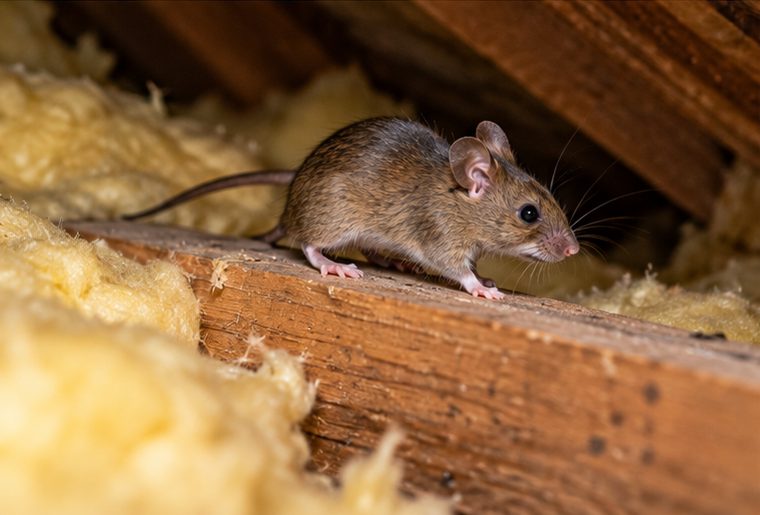
Mice only need a tiny gap to get inside, so stopping them means knowing where homes tend to be weak and tackling the entry points carefully.
Read the guide →
Most household pests leave clues behind, and learning to read droppings, damage, noises and timing will help you decide what you are dealing with and what to do next.
Read the guide →Yes. Warehouses, workshops and retail units all get the same approach: inspection, traps and bait where safe, planned checks and proofing. We adapt placement to how the site works and keep written notes of what was set and what was caught.
Mice follow food, and cupboards, pantries and bins are easy targets. Droppings there mean they have found something to eat. We will check how they are getting in, advise on storing food in sealed containers, and place traps along the paths they use.
Keep stock off the floor, close external doors when not in use, empty bins regularly and report any droppings or damaged packaging. Please also leave our traps and bait stations where they are, and tell us if one has been moved.
Tell us what you have found and roughly where it is. We will come back to you — or call 01245 327 274 if it is urgent.
