
Rats come to gardens for food, water and shelter, so the most reliable way to keep them away is to remove all three before they settle in.
A garden offers everything a rat looks for: easy food, cover to hide in and quiet corners to nest. They rarely pick a garden at random. Something has made it worthwhile, whether that is spilt seed, an open compost heap, a poorly sealed bin or a pile of old timber. In Essex, gardens that back onto fields, railway banks, allotments or watercourses often see more activity, but town and estate gardens are visited too, because rats travel along fences and drains between neighbouring properties.
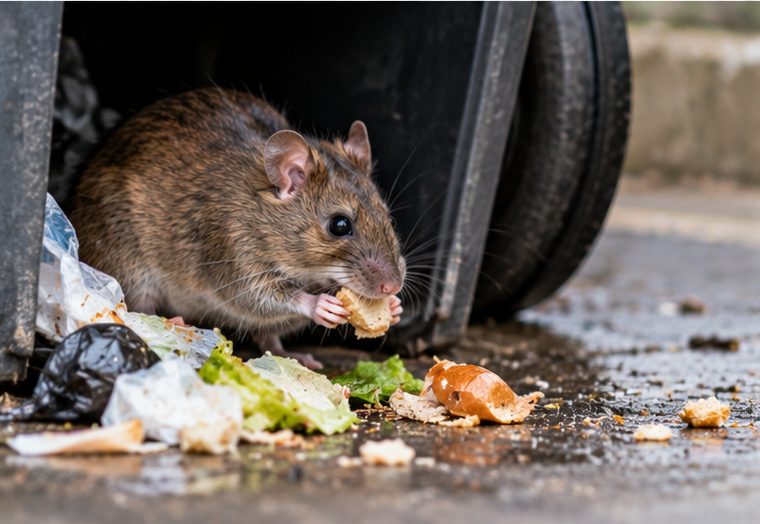
Food is the main draw, so start there. Household waste should be in a bin with a firm, closing lid, and bags should never be left on the ground beside it. Rats gnaw through thin plastic quickly, and a split bag is an invitation. Food waste caddies, takeaway packaging and leftover pet food are especially attractive, so rinse containers and keep outdoor feeding to a minimum.
Open compost heaps are warm and full of food, which suits rats well. Keep cooked food, bread, meat and dairy out of them and use a closed bin with a solid base where you can. Sheds, decking and stacked timber give cover and nesting space, so raise stored items off the ground, keep the area underneath tidy and check regularly for holes. Overgrown borders and dense ivy against fences also give rats safe routes, so trimming them back makes the garden less comfortable for them.
Rats need water every day, so leaking taps, blocked drain covers and standing water all help them. Fix drips and keep drainage clear. Damaged or broken drains are a common way for rats to reach gardens and houses, especially in older properties, so if you see rats near a manhole or notice drain smells, mention it to us or to your water company. Around the house, look for gaps where pipes enter walls, broken air bricks and loose fittings on outbuildings, and have them repaired with solid, chew-proof materials.
Rats are active in every season, but you may notice more of them in autumn and winter when food outside becomes harder to find and the weather turns cold. A short seasonal check helps: walk the garden, look under sheds, around bins and along fence lines, and note any new holes or gnawing. Share the job with neighbours where you can. A tidy garden next to a messy one only goes so far, because rats move freely between plots along fences and drains.
Avoid scattering poison or leaving open bait around the garden. Children, pets, foxes, hedgehogs and other wildlife can be harmed, and rats that die out of sight can leave you with a worse problem. Do not fill burrows with rubble or pour liquids down them, as rats will usually dig out elsewhere, often closer to the house. Never handle a rat, dead or alive, with bare hands. If you see signs you cannot account for, leave the next step to someone trained.
If you have taken away the food and tidied up but still see droppings, burrows or gnawing, the rats are likely already settled in the area and need proper control. We will find where they live and travel, treat the problem safely and tell you what to repair or change so it does not come back. We help householders, farms, pubs, restaurants and other businesses across Essex, and we will explain each step so you know what to expect.
If you would rather not deal with it yourself, call us on 01245 327 274 or send an enquiry below. You can also read more about our rat control service.
 BPCA Member
 CHAS Accredited
 Buy With Confidence
 Three Best Rated 2026
We cover towns and villages across Essex. Choose your area to see how rat control works locally.
Rats are secretive and mostly active after dark, so the first clues are usually small marks and sounds rather than a sighting of the animal itself.
Read the guide →
Most household pests leave clues behind, and learning to read droppings, damage, noises and timing will help you decide what you are dealing with and what to do next.
Read the guide →Seed that falls to the ground can. Use a tray under the feeder, sweep up spilt seed daily, and bring feeders in or reduce the amount you put out if you notice rats. Rats are tempted by easy meals, so regular tidying beneath any feeder matters more than the feeder itself.
It can be if cooked food, bread, meat or dairy goes in. Stick to garden waste and raw vegetable peelings, turn the heap, and think about a closed bin with a solid base. If rats have already burrowed in, stop adding waste and ask us for advice before disturbing it.
We would not rely on them. Rats tend to get used to them, and none of them removes the food, shelter or access that brought the rats in. Removing those causes and proofing gaps works far better, with professional treatment where rats are already active.
You cannot fully stop them crossing, but you can make your side unattractive and close gaps beneath gates and fences. A friendly word with the neighbour about bins or feeding helps. If the problem is persistent, a professional can look at the whole run of properties.
Tell us what you have found and roughly where it is. We will come back to you — or call 01245 327 274 if it is urgent.
