
Colchester is an old city with a wide mix of housing, from period buildings in the centre to modern flats and family homes further out. Rats can find a way into any of them. We provide rat control in Colchester for owners, tenants, landlords and local businesses, with clear advice at every stage.
If you have found droppings, heard noises in walls or ceilings, or spotted a rat in the garden, we will inspect, explain what is happening and agree a sensible plan and price with you, and only then begin any treatment on site.
 BPCA Member
 CHAS Accredited
 Buy With Confidence
 Three Best Rated 2026
Older buildings in the historic centre of Colchester often have worn brickwork, cellars, ducts and old pipe runs that provide hidden routes for rats. Once inside, they can travel between rooms and floors, nesting in voids and gnawing at wiring. These properties benefit from a careful inspection, because the entry point may be well away from where the noise is heard, which is why guessing rarely works.
A large student rental market adds a different challenge. Turnover is high, bins can be overfilled, and shared gardens and yards are not always tidy. Landlords and agents who step in early, and who explain bin and storage rules to tenants, are usually the ones who avoid repeat problems and unhappy neighbours. We are used to working with occupied properties and arranging access.
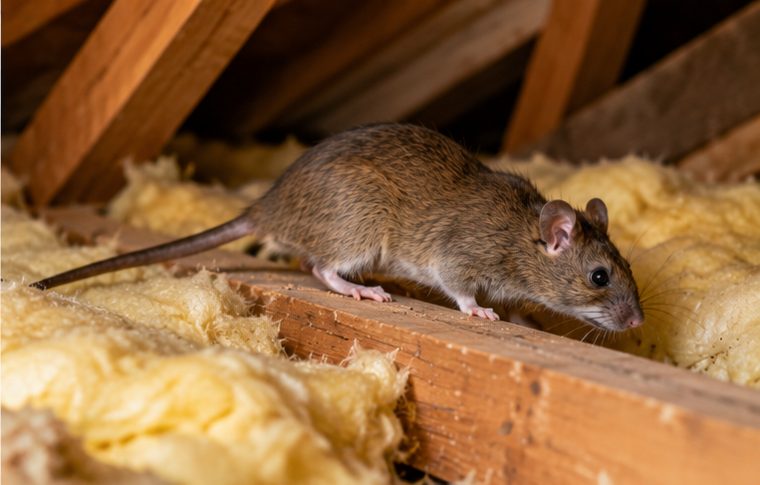
We start by inspecting, inside and out. That means checking drains, outbuildings, bin stores, roof spaces and any areas where pipes or cables come through walls. We note burrows, droppings, grease marks and gnawing, and then talk through what we found and the treatment that makes sense for your building and your circumstances. The price is explained and agreed before work begins.
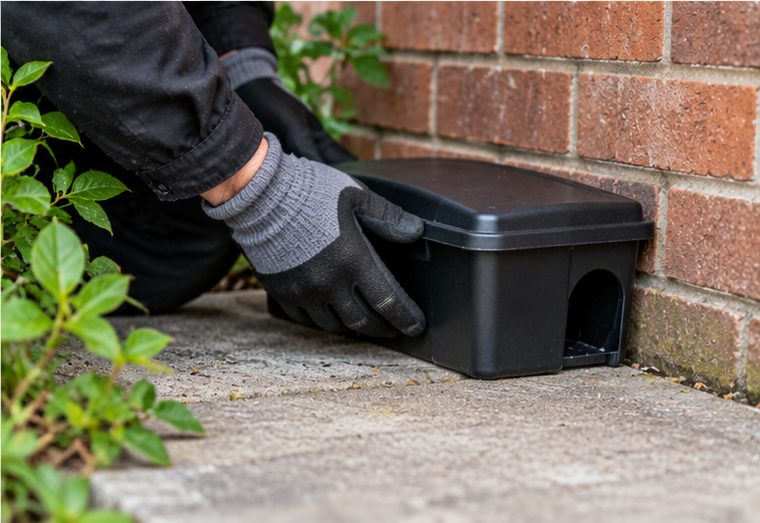
Rats are treated with baiting and trapping used carefully, with secure stations and sensible placement to protect children, pets and other animals. We return to check progress and keep going until activity stops and nothing more is seen. For lets, we can give landlords a short summary of what was done and what the tenants should do next, such as keeping waste in closed bins and reporting any new signs straight away.
After treatment, the useful work is proofing and tidying. Sealing gaps around pipes, replacing broken vent covers, fixing damaged drains and keeping rubbish contained all make a real difference over the following months. Where several flats share a yard, agreeing a bin routine helps everyone. We work across Colchester and CO1 to CO4, and our team also visits Clacton-on-Sea, Witham and Braintree.
We cover towns and villages across Essex. Choose your area to see how rat control works locally.
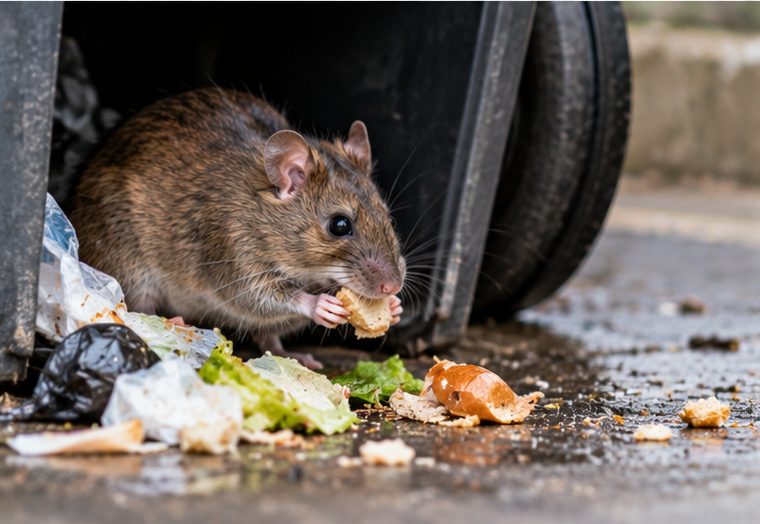
Rats are secretive and mostly active after dark, so the first clues are usually small marks and sounds rather than a sighting of the animal itself.
Read the guide →Rats come to gardens for food, water and shelter, so the most reliable way to keep them away is to remove all three before they settle in.
Read the guide →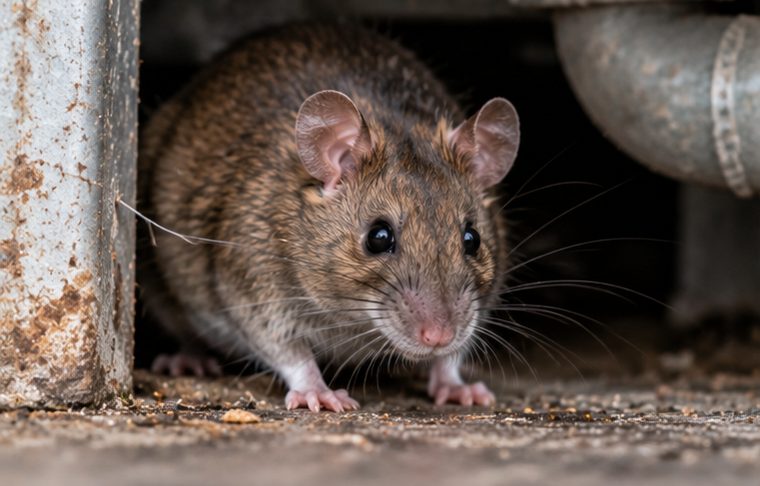
Most household pests leave clues behind, and learning to read droppings, damage, noises and timing will help you decide what you are dealing with and what to do next.
Read the guide →It depends on the tenancy agreement and the cause. Structural gaps and shared areas are often the landlord's responsibility, while day-to-day waste habits fall to tenants. Either party can call us to inspect, and we will explain what we find in plain terms.
Yes, older buildings can have gaps in brickwork, old drains and unused ducts that rats travel through. A proper inspection traces the route they use and shows us how far the activity has spread. We then treat the activity and recommend repairs that close the gap.
Usually not, and we respect that. Our work is discreet and the stations are placed out of sight where possible. If neighbouring properties are part of the problem, we can suggest how to approach them or the landlord about it.
Tell us what you have found and roughly where it is. We will come back to you — or call 01245 327 274 if it is urgent.