
Maldon is an estuary town on the River Blackwater, with a quayside, older buildings, sailing clubs, food businesses and countryside all around. Rats do well in places like this, where water, waste and old structures sit close together. We provide rat control for households, boat and food businesses, farms and landlords in and around Maldon.
If you have found droppings, heard scratching in a wall or seen runs through long grass, we can visit, work out what is happening and set out a clear plan for dealing with it, explaining each step in plain language before we begin.
 BPCA Member
 CHAS Accredited
 Buy With Confidence
 Three Best Rated 2026
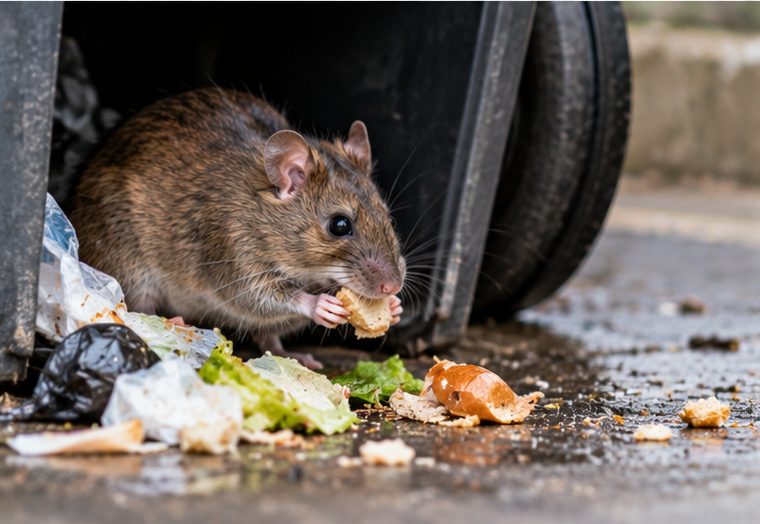
Working waterfronts offer rats shelter among moorings, stores and sheds, plus a constant supply of crumbs, bait scraps and waste. Cafes, pubs and food producers around Maldon need tight control over bins and deliveries, and boat owners should avoid storing food or rope bundles in a way that gives rats a nest. Even a small gap under a door or around a pipe can be enough, and deliveries left outside overnight make it worse.
Tidal edges and sea walls also make burrows easy to dig, and rats often travel along the bank before moving up into yards and gardens. We look at how your site connects with the water and the open ground around it, since those routes tell us where to put bait boxes and traps so they actually get used rather than ignored by the rats.

Many of the buildings in Maldon are old, with timber floors, thick walls, cellars and roof voids full of gaps. Rats can use cracked brickwork, worn air bricks, chimney breasts and the space where a pipe passes through a wall. Inside, they tend to travel behind panelling and under floorboards, which is why noise at night is often the first clue that something has moved in.
We search from outside in. Burrows beside foundations, greasy marks along walls and chewed cable sheaths are checked before a plan is made. Trapping and baiting are used carefully and out of reach of children and pets, with return visits so we can see what has changed. Afterwards, we tell you plainly which gaps are worth sealing and which can be left, so you only spend money where it helps.
Waste is the main thing to control. Use bins with tight lids, wash down yard areas, keep fish and food scraps well away from sheds and do not leave feed out for wildlife at night. Trim back thick ivy against walls and clear piles of timber. We also cover Chelmsford, Witham and Clacton-on-Sea, so we can look after other premises you manage in the area.
We cover towns and villages across Essex. Choose your area to see how rat control works locally.
Rats are secretive and mostly active after dark, so the first clues are usually small marks and sounds rather than a sighting of the animal itself.
Read the guide →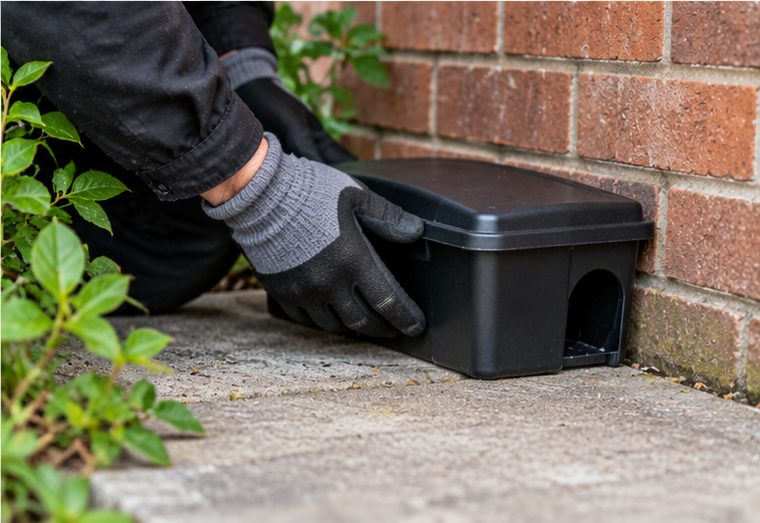
Rats come to gardens for food, water and shelter, so the most reliable way to keep them away is to remove all three before they settle in.
Read the guide →Most household pests leave clues behind, and learning to read droppings, damage, noises and timing will help you decide what you are dealing with and what to do next.
Read the guide →Waterside areas often have more rats, because banks give shelter and burrowing room while nearby businesses supply food. That does not mean every property is affected. Keeping waste secured and gaps closed makes a big difference, wherever you are in the town.
Yes, if there is food, rope, bedding or storage to nest in. Keep food in sealed containers, tidy stored gear and check lockers regularly. If you see droppings or chewed material, contact us and we can inspect the shed and surrounding area.
Rat droppings are dark, blunt-ended and bigger than mouse droppings, usually around the size of a large grain of rice. Fresh ones look moist and shiny. Wear gloves if you clear them, wash your hands afterwards and tell us where you found them.
Tell us what you have found and roughly where it is. We will come back to you — or call 01245 327 274 if it is urgent.
