
A food business cannot afford to share its kitchen with pests, so this guide covers the warning signs, everyday habits and the point at which to call us.
Warmth, moisture and food residue are exactly what rats, mice, cockroaches, flies and ants look for, and a busy kitchen offers all three every day. Essex premises face extra pressure in places. Seafront and estuary towns see rats working the same bins as the busy takeaways, older high street buildings have gaps behind shopfittings, and premises beside farmland or open ground get rodents moving in as crops are cleared. None of this means a kitchen is dirty. It means pests are always looking for a way in.
Most problems show themselves quietly before anyone sees a live pest. Staff who open up and close down are usually the first to notice, so make sure they know what to report and who to tell. A short daily look in the right places is far more useful than an occasional deep search, because early signs are small and easy to miss in a hurry.

Pests rarely arrive by accident. They follow food, water and shelter, and they use the smallest of openings. A mouse can pass through a gap far narrower than most people expect, and cockroaches travel along pipes and shared walls from neighbouring units. Deliveries can also carry insects inside on boxes and pallets. Knowing the usual entry points helps you check them regularly and fix them before a small gap becomes a lasting problem.
Good housekeeping is the most useful thing a kitchen team can contribute, and none of it involves handling pests. Store dry goods in sealed containers off the floor, clean spills and grease promptly, and keep waste areas tidy with lids closed. Rotate stock so nothing sits forgotten at the back of a shelf. Check deliveries before they go into storage and break down cardboard quickly. Record anything unusual in a simple log, because dates and locations help a professional find the cause faster.
Never lay poison or glue boards yourself inside a food area. Products can contaminate food and surfaces, rodents may die somewhere you cannot reach and cause smells and flies, and a half-treated infestation often spreads rather than ends. Avoid sprays aimed at insects too, as they can scatter cockroaches deeper into the building. Resist hiding a problem from the person responsible for food safety. A report made early is always easier to deal with than one that has been left to grow.
Call us as soon as you see droppings, live pests or fresh damage, and certainly before an issue touches stock or preparation areas. We inspect the premises, identify the species, find how they are getting in and agree a treatment plan that works around your trading hours. Many food businesses also benefit from regular visits to spot problems early and keep written records of what was found and done. Those records are useful whenever an inspection or an audit asks how pests are managed.
Prevention is a routine rather than a single job. Seal gaps, keep waste contained, clean thoroughly behind and under equipment and make pest checks part of your opening and closing list. Talk to neighbouring units if you share walls or yards, since pests move between them freely. Look over the building after any works, because new pipework or shopfitting often opens routes that were not there before. Small habits, repeated daily, keep a food business protected through every season.
If you would rather not deal with it yourself, call us on 01245 327 274 or send an enquiry below. You can also read more about our commercial pest control service.
 BPCA Member
 CHAS Accredited
 Buy With Confidence
 Three Best Rated 2026
We cover towns and villages across Essex. Choose your area to see how commercial pest control works locally.
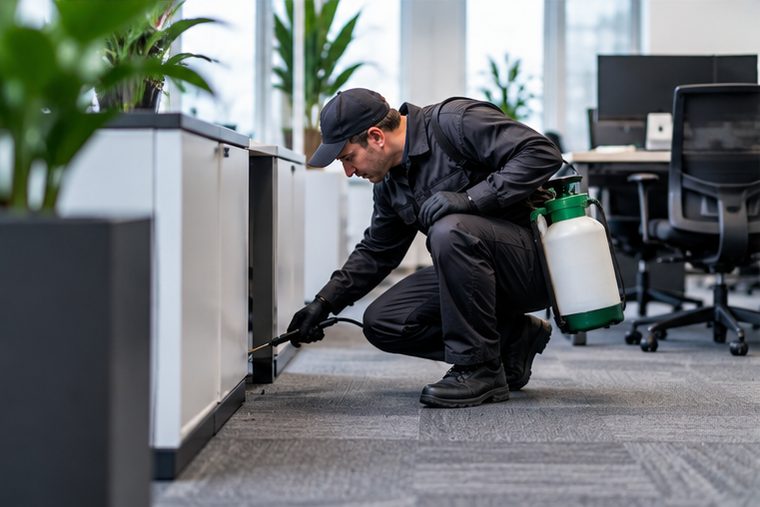
Large buildings with loading doors, stored goods and quiet corners suit pests perfectly, so this guide explains how to spot trouble early and keep your site protected.
Read the guide →
Most household pests leave clues behind, and learning to read droppings, damage, noises and timing will help you decide what you are dealing with and what to do next.
Read the guide →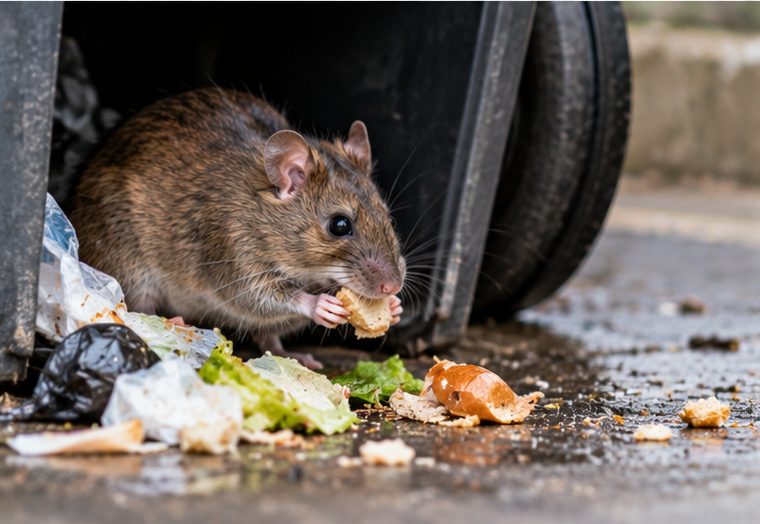
Rats are secretive and mostly active after dark, so the first clues are usually small marks and sounds rather than a sighting of the animal itself.
Read the guide →It depends on the premises, its size, its location and what has been found before. Many food businesses benefit from regular scheduled visits so problems are caught early and records are kept. We look at your building and trading pattern, then suggest a visit frequency that fits the real level of risk rather than a fixed routine.
Often you do not need to close for long, and many treatments can be planned around quiet hours. It depends on the pest and the area involved. We explain beforehand what needs covering, cleaning or leaving clear, so food and surfaces stay protected and your team knows exactly what to expect.
Stay calm, apologise sincerely and make a note of what was seen, where and when. Do not try to remove it with chemicals. Contact us promptly so we can inspect, find the cause and treat it. Keeping a clear record of the report and your response also helps show you acted properly.
Yes. Rats, mice and cockroaches move along shared walls, drains, roof voids and yards, so a clean kitchen can still be affected by next door. That is why we look beyond your own unit, check routes in and out and sometimes suggest speaking with neighbours or the landlord about shared areas.
Tell us what you have found and roughly where it is. We will come back to you — or call 01245 327 274 if it is urgent.
