
Colchester is a historic garrison city with an old centre, a university and a large rental market, so commercial pest control here often means looking after buildings with many occupants and frequent changes. We work with landlords, managing agents, restaurants, pubs, shops and offices, offering regular visits, written records and prompt call-outs.
Whatever your premises, we start by understanding who uses them and how. A block of student flats, a pub with a cellar and a retail unit all need different things, and a sensible routine is built around the real risks rather than a standard timetable that does not fit.
 BPCA Member
 CHAS Accredited
 Buy With Confidence
 Three Best Rated 2026
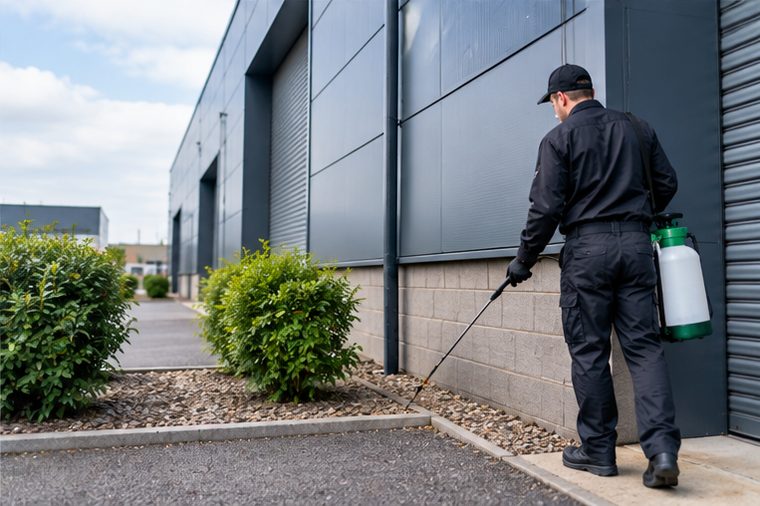
With a university in the city and a large student rental market, Colchester landlords see regular turnover, and a pest problem can go unnoticed in the gap between tenants or be reported only when it has spread through a whole floor or building, by which time it is harder to deal with. Shared kitchens, bin stores and communal corridors make it easy for mice, cockroaches and bed bugs to move around a building. Students are often away for weeks at a time, which can leave food and rubbish behind.
We can inspect between lets, respond to tenant reports and leave written notes of each visit, which helps when responsibility is questioned. Clear advice for occupants, such as storing food properly and reporting early, makes treatments work better and cuts down on repeat call-outs, and we are happy to supply simple guidance that a managing agent can pass on to every new set of tenants.

The older streets of Colchester have buildings with cellars, thick walls, shared passages and rear yards, all of which give pests places to travel unseen, and the age of the structure often means gaps nobody has noticed in decades. A pub cellar or restaurant store room can be quiet for months and then suddenly show signs of mice or rats, particularly when nearby building work or drains disturb existing populations out of their usual hiding places and into the open.
We look at the whole building rather than only the room where the sighting happened. That means checking cellar entries, pipework, gaps under doors and the way waste is handled. Bait stations and traps are checked on every visit, and the notes we leave show an inspector exactly what has been looked at and done on each visit, with dates, areas and any advice we gave, which saves a lot of explaining.
Our commercial visits cover Colchester in CO1 to CO4, and we also work in Clacton-on-Sea, Witham and Braintree. If you have a property that needs a one-off check before an inspection or at the end of a tenancy, we can do that too, and we can set up regular visits afterwards if that makes sense for the building.
We cover towns and villages across Essex. Choose your area to see how commercial pest control works locally.
A food business cannot afford to share its kitchen with pests, so this guide covers the warning signs, everyday habits and the point at which to call us.
Read the guide →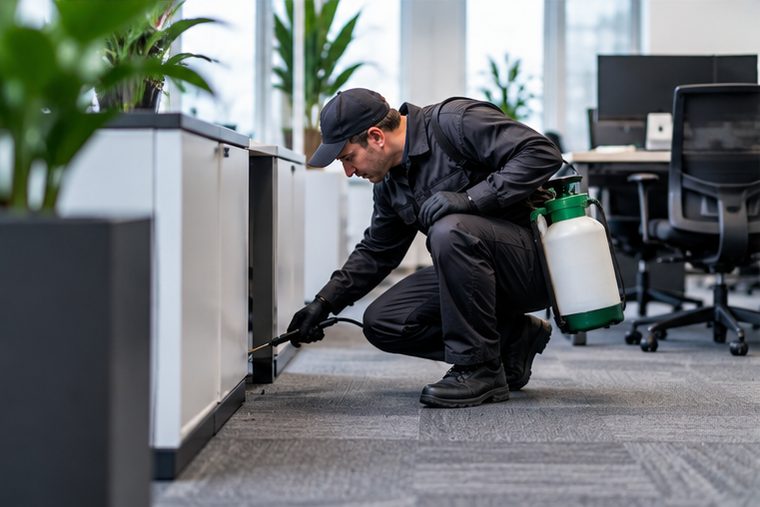
Large buildings with loading doors, stored goods and quiet corners suit pests perfectly, so this guide explains how to spot trouble early and keep your site protected.
Read the guide →
Most household pests leave clues behind, and learning to read droppings, damage, noises and timing will help you decide what you are dealing with and what to do next.
Read the guide →It depends on the tenancy and where the problem began, so check the agreement. We can inspect, identify the cause and leave written notes of what was found, which helps landlords, agents and tenants agree who should deal with what.
Yes. An inspection between lets looks for droppings, gaps, bed bug signs and insect activity in kitchens and bedrooms. If something is found we deal with it before the next tenants move in, and you receive a note of the work.
Cellars often have gaps around pipes, old brickwork and cool, quiet corners where food and drink are stored. Mice need very little space to get in. We find the entry points, set traps where they are safe and advise on proofing.
Tell us what you have found and roughly where it is. We will come back to you — or call 01245 327 274 if it is urgent.
