
Squirrels gnaw constantly, and in a loft that can mean damaged timber, soiled insulation and chewed cables long before anyone sees the animal.
Like rats, squirrels have front teeth that never stop growing, so they gnaw to keep them worn down. They also chew to make entry holes, to widen gaps and to collect nesting material. In a loft they find plenty to work on: roof timbers, fascia boards, insulation, stored boxes and pipework. The problem tends to grow quietly. A small hole at the eaves becomes a larger one, and a single nest can become several, particularly where squirrels return year after year.
The first damage is often outside. Squirrels chew at fascias, soffits, barge boards and the edges of tiles to open a way in. Look from the ground for ragged or enlarged holes, fresh pale wood where the weathered surface has been stripped, and displaced tiles or lifted lead flashing. Inside, gnawed rafters and battens may be visible near the entry point. Over time, repeated chewing and damp getting in through the new gaps can weaken timber, so it is worth catching it early.
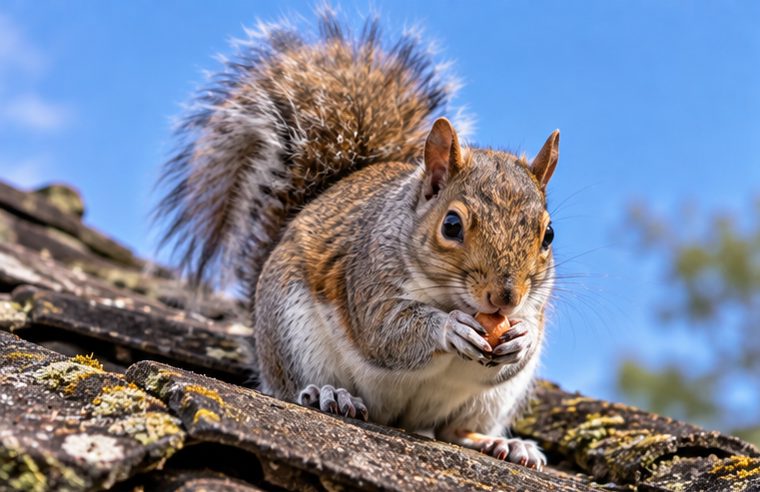
Gnawed wiring is the most serious risk. Squirrels may strip the covering from electrical cables, and that can lead to faults, tripping circuits or, in the worst cases, fire. Loft lighting, alarm cables, aerial and broadband leads and solar panel wiring can all be affected, as can plastic water pipes. If you notice flickering lights, a dead socket, a burning smell or sparks, switch off at the consumer unit if it is safe to do so and call an electrician. Do not touch damaged cables yourself.
Squirrels pull insulation apart to line their dreys, which leaves cold patches and cuts the loft's ability to hold heat. Droppings and urine soak into the material and give off a strong smell, and old nests can attract other pests. Soiled insulation often needs removing and replacing rather than simply tidying. Do not handle nesting material or droppings without protection, and keep children and pets out of the loft. A professional can clear and advise on what is worth keeping.
From the ground, you can look for fresh gnawing, listen for daytime noises and check that overhanging branches are not giving easy access to the roof. Take photographs of any damage, which can help when you discuss repairs with a builder. Keep loft visits brief and careful, stepping only on joists, and never lean on insulation or boards you cannot see beneath. Leave any wiring alone and do not attempt roof repairs without proper access equipment.
Call us when you hear squirrels, see chewing at the roof edge or find droppings and nests. We will remove the squirrels humanely, check the roof space and show you where the damage is. If cables are involved, have a qualified electrician test the circuits as well. The sequence matters: deal with the squirrels first, then clean, then proof and repair, otherwise new holes are chewed as quickly as old ones are fixed. We work across Essex, in both older and newer homes.
Proofing is the lasting fix. Entry points should be sealed with tough materials that squirrels cannot chew through, fitted neatly, with particular attention to eaves, soffits, ridge areas and vents. Trim branches that touch or hang over the roof, and keep feeders away from the house. Repair any damaged timber promptly, since soft or rotten wood is easy for squirrels to enlarge. An annual look at the roofline, ideally in autumn before cold weather sends them looking for shelter, helps catch problems early.
If you would rather not deal with it yourself, call us on 01245 327 274 or send an enquiry below. You can also read more about our squirrel control service.
 BPCA Member
 CHAS Accredited
 Buy With Confidence
 Three Best Rated 2026
We cover towns and villages across Essex. Choose your area to see how squirrel control works locally.
If something heavy is scampering across your ceiling in daylight, grey squirrels are a likely cause, and acting early limits the damage they can do.
Read the guide →
Most household pests leave clues behind, and learning to read droppings, damage, noises and timing will help you decide what you are dealing with and what to do next.
Read the guide →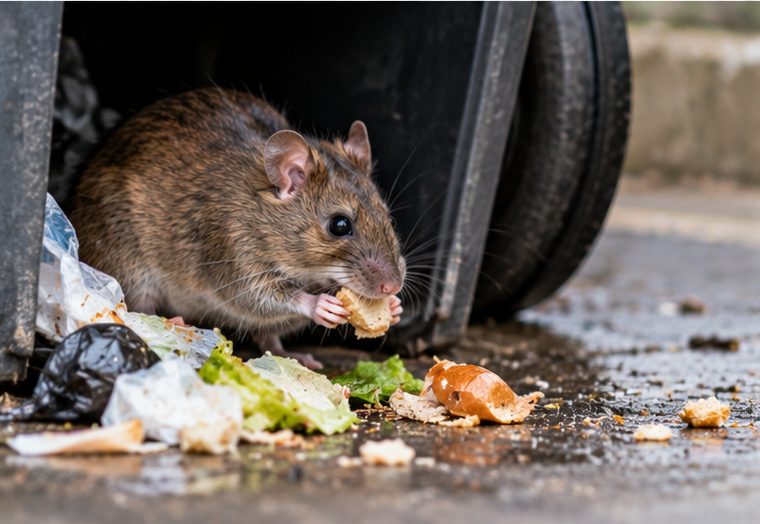
Rats are secretive and mostly active after dark, so the first clues are usually small marks and sounds rather than a sighting of the animal itself.
Read the guide →Gnawed insulation on cables can expose live wires, and that can cause short circuits and overheating. Fires from this are not common, but the risk is real enough to take seriously. If you suspect chewed wiring, have an electrician check it rather than waiting to see what happens.
They look alike, as both gnaw. Squirrels tend to chew larger entry holes at the roof edge and strip timber and insulation, and they are active by day. Rats are more often found in lower voids and drains. A technician can tell from the pattern of damage and droppings.
Wait until the squirrels have gone and the loft has been checked. Soiled insulation should not be handled without gloves and a mask, and there may be hidden damage or cables beneath it. Ask a professional to clear it so the job is done safely.
As soon as you can. Damage gets worse the longer they stay, and nesting in spring and summer makes the work more delicate. A quick inspection will confirm what is happening, show where they are getting in and let you plan the work in the right order.
Tell us what you have found and roughly where it is. We will come back to you — or call 01245 327 274 if it is urgent.
