
Southend-on-Sea is a seaside city, but it has plenty of trees, big gardens and parks that grey squirrels use as highways. Dense residential streets put roofs close together, so a squirrel can travel between houses without touching the ground. If you can hear something in the ceiling, we can find the cause and put it right.
We survey the property, trace the entry point and explain the plan before work begins. Removal is lawful and humane, and we then proof the gap so the roof space is not an open invitation again. We work with homeowners, landlords and businesses alike.
 BPCA Member
 CHAS Accredited
 Buy With Confidence
 Three Best Rated 2026
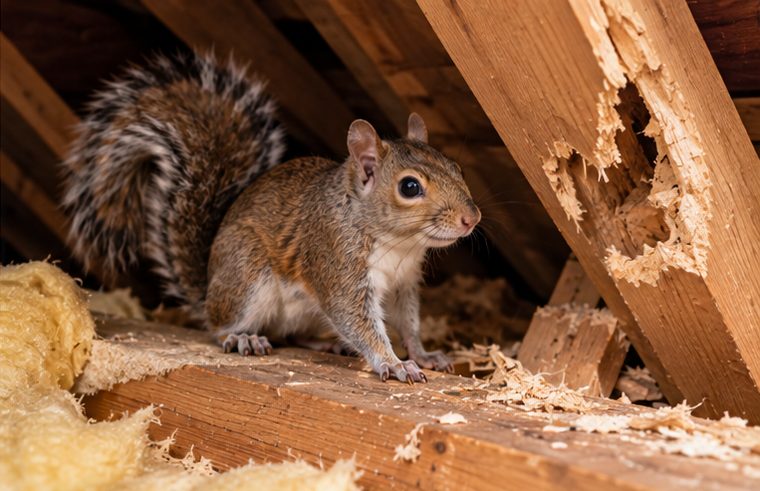
Terraces and semi-detached houses across Southend-on-Sea, from SS0 to SS3, often share rooflines, so a squirrel that gets in at one end can move along a whole row of lofts. Flats and converted houses add shared roof spaces, where nobody feels responsible for checking what is happening above. That can allow damage to build up unnoticed for months, until a ceiling stains or a light stops working.
Takeaways, cafes and guest houses face a particular worry. Squirrels in the roof above a kitchen, dining room or bedrooms can soil insulation and ceilings, and gnaw cables. Businesses need a quick, tidy fix that does not upset customers, and we plan our visits around how the building is used, whether that means early mornings before a cafe opens or quieter afternoons in a guest house.
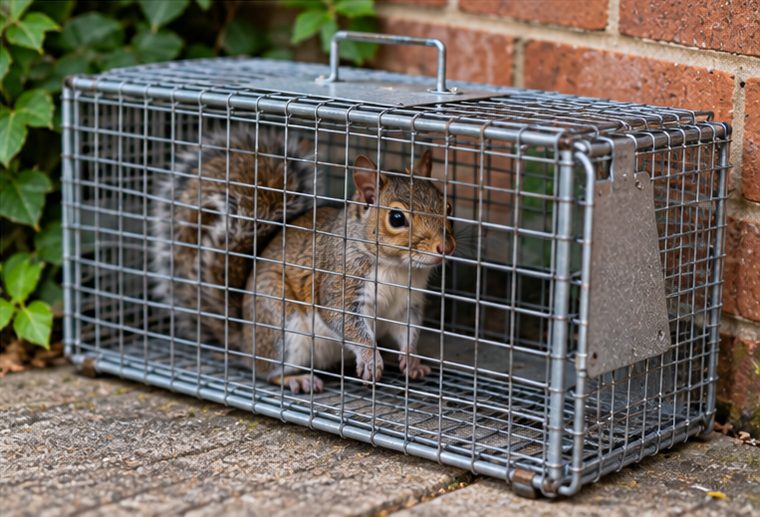
In Southend-on-Sea, a technician inspects the loft or void and the roofline outside, looking for droppings, nest material and chewed timber. The entry point is identified, and we explain what we have found in plain language. For flats or shared buildings, we suggest who needs to be told, such as the freeholder or managing agent, so that nobody is left wondering who should act.
Squirrels are then removed with humane live-capture and other lawful methods. Laws apply to grey squirrels, and our technician handles this correctly. When the roof is clear we close the entry point and look along the neighbouring roofline for similar gaps. Proofing is the part that keeps Southend properties free of squirrels for the longer term, because removal alone leaves the same open door for the next animal to find.
Squirrels around Southend-on-Sea parks and gardens are used to people and quick to exploit open bins, feeders and food waste. Keep waste in lidded bins, cut back branches near roofs and avoid leaving food outside, including pet food and spilt seed. Even small habits reduce how often squirrels visit. We also cover Leigh-on-Sea and Rochford, so a neighbouring street is no problem.
We cover towns and villages across Essex. Choose your area to see how squirrel control works locally.
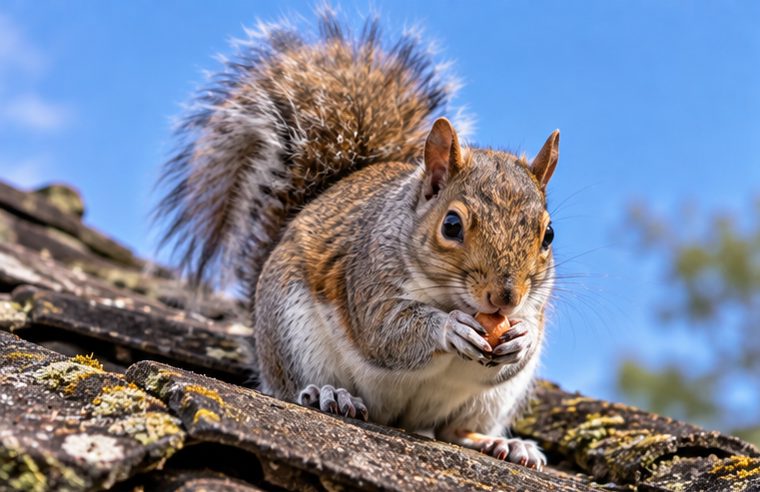
If something heavy is scampering across your ceiling in daylight, grey squirrels are a likely cause, and acting early limits the damage they can do.
Read the guide →Squirrels gnaw constantly, and in a loft that can mean damaged timber, soiled insulation and chewed cables long before anyone sees the animal.
Read the guide →
Most household pests leave clues behind, and learning to read droppings, damage, noises and timing will help you decide what you are dealing with and what to do next.
Read the guide →That depends on your lease, but roof spaces are usually the freeholder's or managing agent's responsibility. Report it to them promptly. We can survey and write up what we find so that the right person can authorise the work.
They can, through noise, soiled insulation and chewed wiring, and guests or customers may notice scratching overhead. We schedule work to suit how the business runs, and keep it tidy, so trading is disrupted as little as possible.
Often, yes. Where rooflines join, a squirrel can pass along a row, and neighbours may share the problem. Telling next door helps. We proof the entry point and look at adjacent gaps so your own roof is better protected.
Tell us what you have found and roughly where it is. We will come back to you — or call 01245 327 274 if it is urgent.
