
Many Brentwood households are empty for most of the day, and that is exactly when mice get comfortable. They move about the kitchen, raid the cupboards and leave droppings behind before anyone is back from work. If that sounds familiar, a structured treatment with proper follow-up visits is the sensible route, and this page explains how it runs.
Brentwood has a busy high street, leafy residential roads and woodland and farmland close by, so mice have both cover and food within reach. For homes across CM13 to CM15 we arrange visits to suit your routine and keep you informed of what the traps are telling us.
 BPCA Member
 CHAS Accredited
 Buy With Confidence
 Three Best Rated 2026
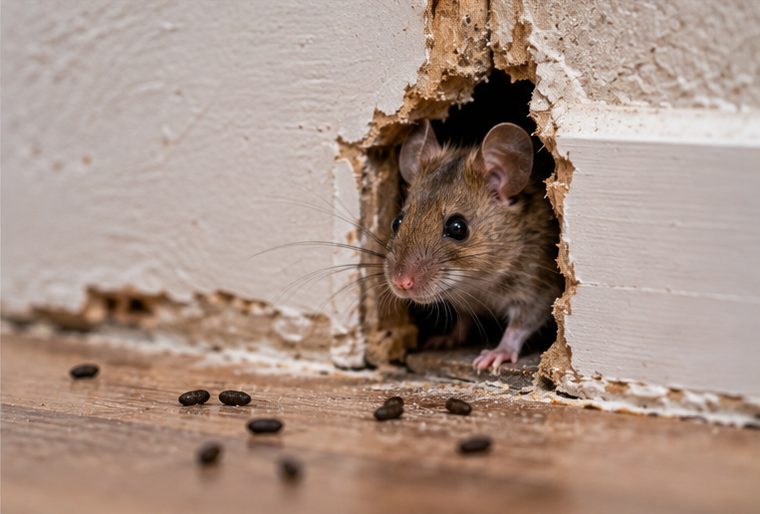
Because you are often out, the clues matter more than sightings. Look for droppings along the back of worktops, in drawers and behind the fridge, torn food packets, small holes gnawed through cardboard and a musty, ammonia-like smell. Scratching in the ceiling in the evening or very early morning usually points to the loft or the wall cavity rather than the kitchen.
When we arrive, we follow those clues. A leafy road in Brentwood often means mature hedges and sheds against the house, so we check outbuildings, pipe entries and the space beneath ground-floor units. Mice often use a route that leads from outside to the warmest room, and finding that line shows us where to place traps and which gaps need closing before the next cold spell.

In Brentwood we set traps and, where it is safe, sealed bait stations during the first visit, then agree access for the next one. If you are at work, a key arrangement or a neighbour can often sort it, or we can visit in the early evening. Nothing is left where a child or pet could reach, and we write down every position so the next check is quick and nothing is missed.
Each check shows how many mice have been caught and where. Early catches are common, then numbers fall. We continue visiting until there are no fresh signs, which usually takes a few weeks. This steady checking is what separates a controlled treatment from a single visit. If the number of visits needs to grow because the problem is larger than expected, we will say so plainly.
After the last check we deal with the entry points. Typical fixes in a Brentwood house include filling gaps around pipes with wire wool and filler, meshing vents and fitting brush strips to garage and back doors. Inside, put dry food in sealed tubs and do not leave pet bowls full overnight. We also work in Billericay and Epping, so similar properties there get the same approach.
We cover towns and villages across Essex. Choose your area to see how mouse control works locally.
Mice are small, quiet and mostly active at night, so the evidence they leave behind is often the first thing you notice, long before you see one.
Read the guide →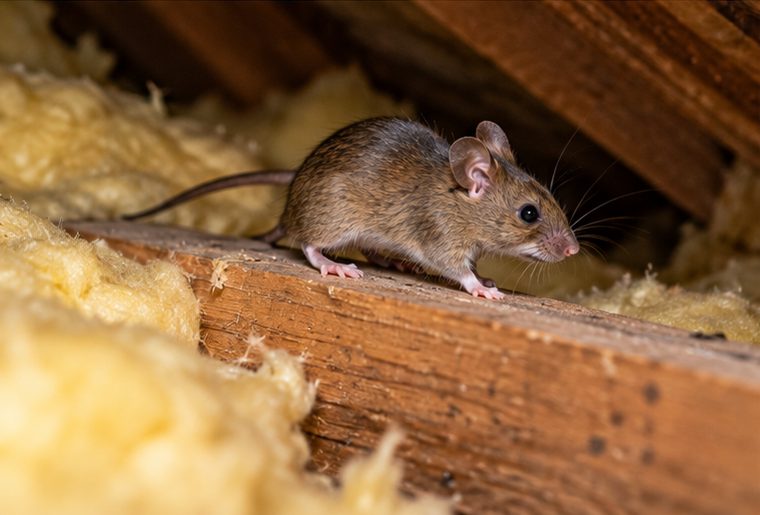
Mice only need a tiny gap to get inside, so stopping them means knowing where homes tend to be weak and tackling the entry points carefully.
Read the guide →
Most household pests leave clues behind, and learning to read droppings, damage, noises and timing will help you decide what you are dealing with and what to do next.
Read the guide →Easily. They are small, quiet and mostly active at night, so a home that is empty during the day can have mice for weeks before anyone sees one. Droppings, nibbled food and faint noises at night are the usual early signs to watch for.
We place traps along walls and behind appliances, not on worktops, and use closed stations for any bait. Food is kept in sealed containers while the treatment runs. We explain where everything sits so you can clean around it safely.
Usually because a gap was missed or something still attracts them, such as open food or cluttered storage. That is why we monitor and proof as part of the job. If new signs appear later, call us and we will look again at where they are entering.
Tell us what you have found and roughly where it is. We will come back to you — or call 01245 327 274 if it is urgent.
