
Hearing scratching in the walls at night is the usual sign of mice, and in Harlow we hear it from tenants, owners and businesses alike. We deal with mice as a programme rather than a one-off call: inspect, trap and bait where it is safe, return to monitor, then proof the gaps they used.
We cover Harlow and the surrounding CM17 to CM20 postcodes. Whether it is a house, a flat in a shared block or a unit on an industrial estate, the aim is the same: find out how they are getting in and make sure the problem stays solved.
 BPCA Member
 CHAS Accredited
 Buy With Confidence
 Three Best Rated 2026
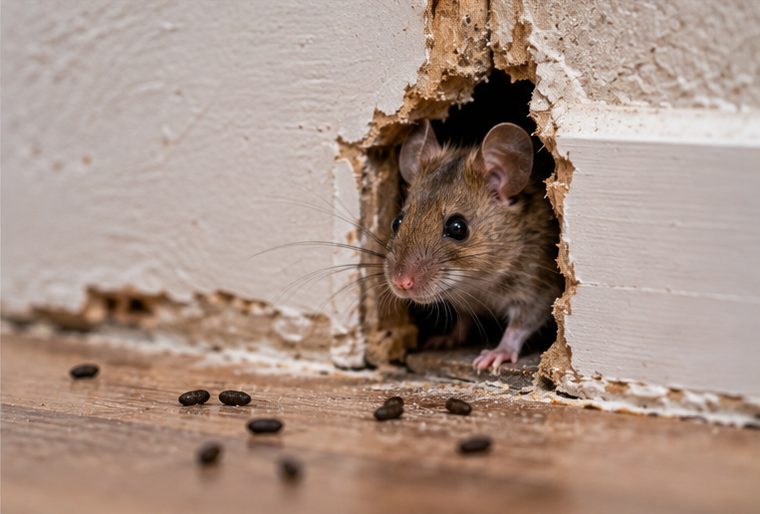
Harlow is a new town laid out in neighbourhoods, with many rented homes and plenty of flats. In shared buildings, mice can travel along service ducts and between neighbouring properties, so a problem in one kitchen is not always the fault of the people living there. We look at the whole picture, including bin stores and communal areas where we are allowed access.
Inside, we check cupboards, behind appliances, under sinks and in lofts for droppings, gnawing and nests. Landlords and tenants often ask who is responsible, and we are happy to explain exactly what we found so that the conversation is based on facts. Clear notes after each visit help when several people need to be kept informed about progress, whether that is a managing agent, a neighbour or a family member.

After the first visit we do not simply walk away. Traps and bait points are checked on a return visit, and we count what has been caught, look for fresh droppings and see whether any equipment has been disturbed. This is how we tell whether mice are being cleared or simply moving to a different room of the building, which is a common pattern in a block of flats.
The green wedges between Harlow's neighbourhoods mean open ground is rarely far away, and mice can move in as the weather turns colder. If activity continues, we adjust the placement and keep checking. When catches stop and signs go quiet over a couple of visits, we remove the equipment and talk you through what we found along the way and what to watch for in the weeks afterwards.
The last stage is proofing. We seal gaps round pipes, cable entries, air bricks and door thresholds, and suggest practical changes such as sealed food containers and closed bins. In Harlow's commercial units, goods-in areas and shutters are often the weak point, so we look at those closely. We also cover Epping, Loughton and Great Dunmow if you are just outside town.
We cover towns and villages across Essex. Choose your area to see how mouse control works locally.
Mice are small, quiet and mostly active at night, so the evidence they leave behind is often the first thing you notice, long before you see one.
Read the guide →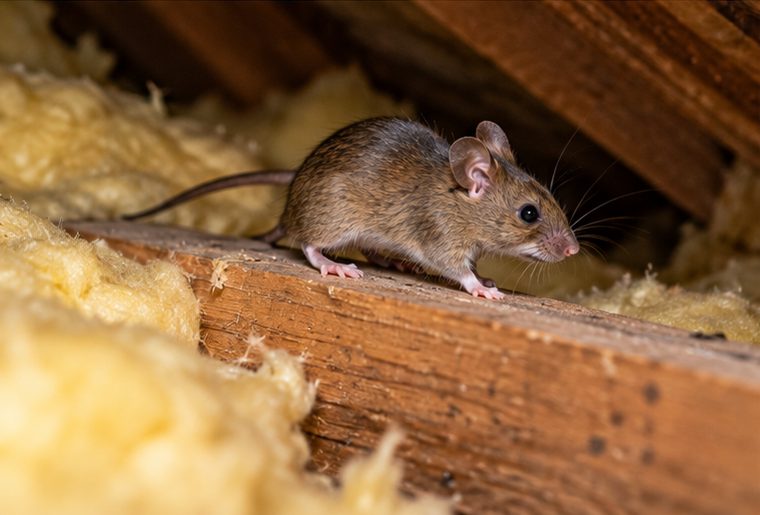
Mice only need a tiny gap to get inside, so stopping them means knowing where homes tend to be weak and tackling the entry points carefully.
Read the guide →
Most household pests leave clues behind, and learning to read droppings, damage, noises and timing will help you decide what you are dealing with and what to do next.
Read the guide →That depends on your tenancy agreement, so check with your landlord or agent first. We can inspect, explain what we find and give clear notes you can pass on. If the mice are coming through shared walls or ducts, treatment may need to cover more than one property.
Yes. Mice can squeeze through very small gaps, often little wider than a pencil. That is why we check round pipes, vents, doors and cable entries. Sealing these after the traps have done their job is what helps stop new mice getting in.
We look for a run of clear checks: no new catches, no fresh droppings, no gnawing and untouched bait. Only when that has held over more than one visit do we call it finished. Noises at night stopping is a good sign, but we rely on what we find.
Tell us what you have found and roughly where it is. We will come back to you — or call 01245 327 274 if it is urgent.
