
Accommodation with a steady stream of guests and luggage is exposed to bed bugs, so owners benefit from simple routines and a clear plan if a complaint arrives.
Bed bugs travel by hitching a ride on bags, coats and clothing, which means any property with regular changeovers is at risk, however clean it is. Seaside lets along the Essex coast, guest houses in market towns and rooms near the airport and rail stations all see guests arriving from many different places. Having bed bugs is not a sign of poor standards. What matters is how quickly you notice them and how well you respond, because a single missed room can seed the next booking and the one after it.
Cleaners and changeover staff see every bed, so they are your strongest early warning. Ask them to look at the mattress edges and tags, the headboard and the bed frame joints each time they strip a bed, not only when a guest complains. Know the signs below and write down anything unusual. A short checklist on the housekeeping trolley helps.
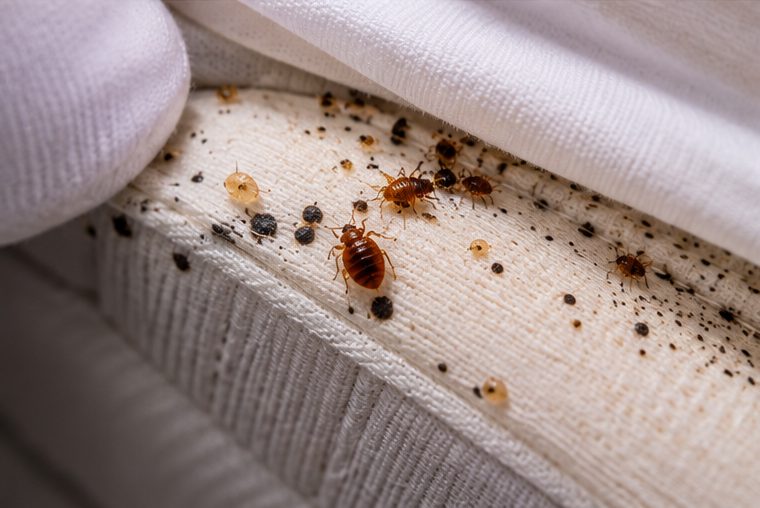
Respond politely and take the report seriously without arguing about the cause. Bites on their own prove little, so offer to inspect the room together. Move the guest to a different room only after you have checked it carefully, since a rushed move can carry insects with them into clean space. Keep a simple record of the date, the room and what was found. A calm, factual response usually keeps the relationship intact far better than a defensive one, and it gives you the details a professional will ask for later.
Take the room out of use as soon as you suspect a problem. Bag used linen in sealed bags and wash it hot before it goes back on any bed. Leave the mattress, furniture and curtains where they are, as dragging them through corridors spreads the insects to neighbouring rooms. Avoid spraying the room yourself. Shop bought products can drive the insects into cracks and next door, and they make it harder for us to judge the true extent when we inspect.
In a guest house or let, the neighbouring rooms, the corridor and the rooms above and below all need checking, because bed bugs move through gaps around pipes and cables. We inspect methodically, treat what we find, and plan any follow-up visits so the room can be checked before it returns to use. Older buildings with timber frames, loose skirting and layers of redecoration have more hiding places, while newer estates and converted flats may share voids between homes. Both need a plan fitted to the building.
Fit zipped covers on mattresses and pillows so the surfaces can be checked quickly and the insects have fewer places to hide. Keep rooms uncluttered, provide luggage racks set away from the bed and wall, and never place second hand furniture in a room without a careful inspection first. Hot washing for linen and regular, scheduled checks by a trained eye are simple, low cost habits that catch trouble while it is small, long before it becomes a closed room and a lost booking.
If a problem is confirmed, honesty protects your reputation more than silence. Explain plainly that the room has been taken out of use, that a specialist is dealing with it, and what you are doing for the guest in the meantime. Avoid blaming them or the previous occupant. Guests tend to remember how a problem was handled far longer than the problem itself, and a clear, prompt, matter of fact approach keeps most of them on your side.
If you would rather not deal with it yourself, call us on 01245 327 274 or send an enquiry below. You can also read more about our bed bug control service.
 BPCA Member
 CHAS Accredited
 Buy With Confidence
 Three Best Rated 2026
We cover towns and villages across Essex. Choose your area to see how bed bug control works locally.
Bed bugs are easy to miss in the first weeks, but a few small signs on bedding and furniture can tell you early, before the problem spreads.
Read the guide →
Most household pests leave clues behind, and learning to read droppings, damage, noises and timing will help you decide what you are dealing with and what to do next.
Read the guide →
Rats are secretive and mostly active after dark, so the first clues are usually small marks and sounds rather than a sighting of the animal itself.
Read the guide →Take the room out of use until you have inspected it properly. Bites alone do not prove bed bugs, but letting another guest in before checking risks spreading a small problem. If you find signs, keep the room closed until a professional has treated and checked it.
Hot washing and hot drying kill bed bugs, so properly laundered linen is not usually the risk. Trouble arises when dirty linen is stored in bags beside clean items, or carried through the property. Keep used and clean linen apart at all times.
Strip the bed, then use a torch to look along the mattress piping and tag, the headboard, the bed frame joints and the skirting behind the bed. Look for dark spots, shed skins and live insects. It takes a few minutes and becomes quick with practice.
Usually only the affected rooms, and sometimes those next to them, need to be out of use. We plan the visits around your diary where we can, and explain how long each room should stay closed so you can manage arrivals without surprises.
Tell us what you have found and roughly where it is. We will come back to you — or call 01245 327 274 if it is urgent.
