
Bed bugs are easy to miss in the first weeks, but a few small signs on bedding and furniture can tell you early, before the problem spreads.
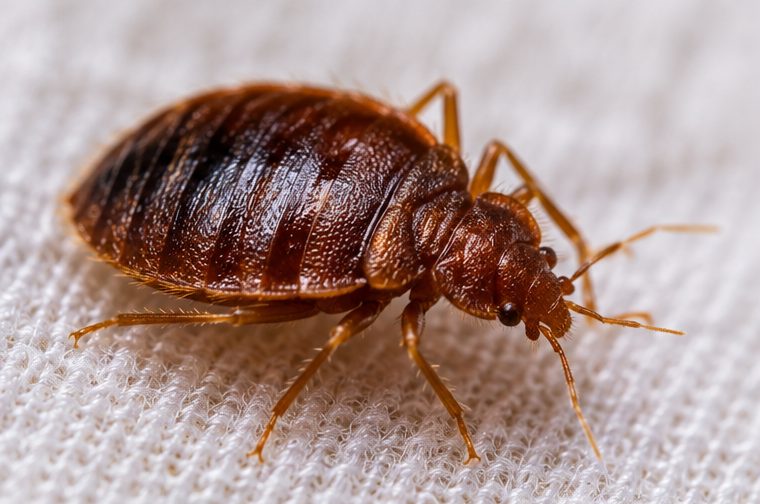
Bed bugs are small, flat, reddish brown insects that feed on human blood, usually at night. A single bite means very little, but a few insects can become a large population in a matter of weeks if nobody notices them. The earlier you find them, the fewer rooms they will have reached, and the simpler the whole job becomes. Most of our Essex callouts start with the same story: someone woke with itchy marks, put it down to something else, and only looked properly a month later. A short, careful check now is far easier than dealing with a spread-out infestation across several bedrooms.
The insects themselves hide well, so you are more likely to see what they leave behind. Check the bed in good light with a torch, and look closely at seams, folds and edges rather than the flat surfaces, because that is where signs collect first. Take your time with each seam, because a single dark speck can be the only clue.
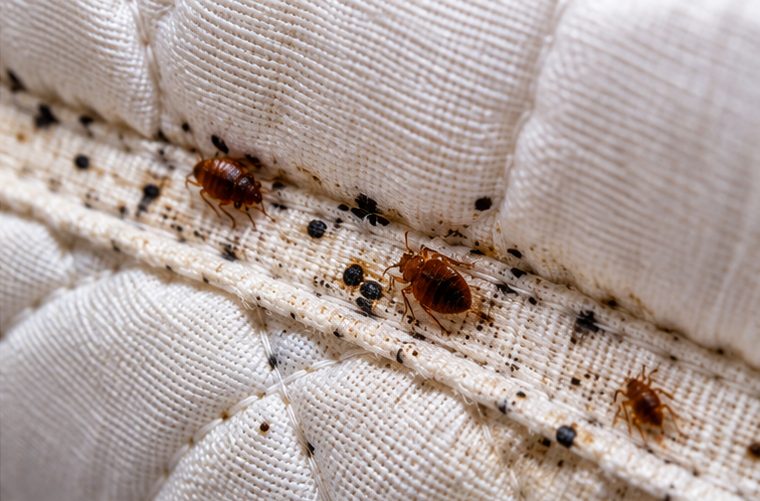
Bed bugs stay close to where people sleep. Begin with the mattress edges and piping, then the bed frame joints, slats and headboard, especially where the headboard meets the wall. Cracks in wood, screw holes and the undersides of fabric are all favourite spots. Next check bedside tables, the skirting board behind the bed, sofa seams, curtain folds and the backs of picture frames. In a shared house or a flat, a neighbour's problem can travel along pipes, cables and gaps, so a bite pattern in one room is worth taking seriously.
Bites alone are an unreliable guide. Reactions vary a great deal, and some people show nothing at all. Fleas, mosquitoes, mites and even skin conditions can leave similar marks, particularly in Essex homes with pets or near the marshes and creeks of the estuary in summer. Treat bites as a reason to look, not as proof. Finding live insects, shed skins or dark spotting on the bed is far more convincing, and a clear photo of what you find helps us identify it quickly if you do ask for advice.
If you suspect bed bugs, stay calm and do not throw the bed out in a panic, because moving infested furniture can spread them through the house. Strip the bedding, seal it in a bag and wash it hot, then dry it on a hot setting. Vacuum the mattress, bed frame and floor edges slowly, then empty the vacuum into a sealed bag outside. Keep a simple note of where and when you find signs, and take photos as you go. A zipped mattress cover removes hiding places and makes later checking much easier, so it is a sensible addition.
Call us if you find live bed bugs, repeated spotting on bedding, or bites that keep returning after you have cleaned and washed everything. Over the counter sprays tend to scatter the insects into new rooms and rarely reach the cracks where they live, so we advise against using them. A proper inspection checks every sleeping and sitting area, and treatment is planned around the layout of the property, whether that is an older terrace, a flat in a commuter town or a recent estate house.
Most bed bugs arrive on luggage, second hand furniture or clothing. After travelling, unpack away from the bedroom, wash clothes hot and check the suitcase seams. Inspect second hand beds, sofas and headboards carefully before they come indoors, and be wary of anything left out on the pavement. Keep the bed pulled slightly away from the wall, reduce clutter under the bed, and check the mattress seams every few weeks. These small habits give you the early warning that makes all the difference.
If you would rather not deal with it yourself, call us on 01245 327 274 or send an enquiry below. You can also read more about our bed bug control service.
 BPCA Member
 CHAS Accredited
 Buy With Confidence
 Three Best Rated 2026
We cover towns and villages across Essex. Choose your area to see how bed bug control works locally.
Accommodation with a steady stream of guests and luggage is exposed to bed bugs, so owners benefit from simple routines and a clear plan if a complaint arrives.
Read the guide →
Most household pests leave clues behind, and learning to read droppings, damage, noises and timing will help you decide what you are dealing with and what to do next.
Read the guide →
Rats are secretive and mostly active after dark, so the first clues are usually small marks and sounds rather than a sighting of the animal itself.
Read the guide →Yes. Adults are about the size of an apple pip, flat and reddish brown, and can be seen without a magnifier. Young ones are smaller and paler, and the eggs are tiny and pale. They hide in cracks by day, so a torch and patience are usually needed.
No. They are attracted to the people sleeping nearby, not to dirt. A spotless home can have them just as easily as a cluttered one. Clutter makes them harder to find and treat, but cleanliness does not stop them arriving on luggage or furniture.
They are not known to spread disease in the UK. The real harm is itching, broken sleep, and the stress of having them in the bedroom. Scratching can sometimes lead to skin infection, so see a pharmacist or doctor if bites become sore or inflamed.
It is better not to. Sleeping elsewhere in the house can carry the insects with you and spread them to new rooms. Keep sleeping in the same bed, wash bedding, avoid moving furniture around, and contact a professional so the treatment starts in the right place.
Tell us what you have found and roughly where it is. We will come back to you — or call 01245 327 274 if it is urgent.
