
Fleas are small, fast and surprisingly persistent, but a calm and thorough routine, plus professional help when needed, will clear them from your home.
Itchy bites on ankles and lower legs are the classic clue, often in small clusters or lines. You may also notice tiny dark insects jumping from carpets, pet bedding or socks. A simple check is to walk across a room in pale socks and look for small dark specks that spring away. Pets that scratch, chew or groom constantly are another sign. Bed bugs and other biting insects can look similar in the early stages, so confirm what you have before treating.
Adult fleas on a pet are only a small part of the picture. Most of the population exists as eggs, larvae and pupae hidden in the home, in carpets, rugs, sofas, cracks between floorboards and pet bedding. Warm centrally heated houses suit them all year, which is why Essex homes can have problems well outside summer. Pupae can sit dormant until vibration or warmth signals a host is near, so fleas can seem to appear suddenly in a room that has been empty.
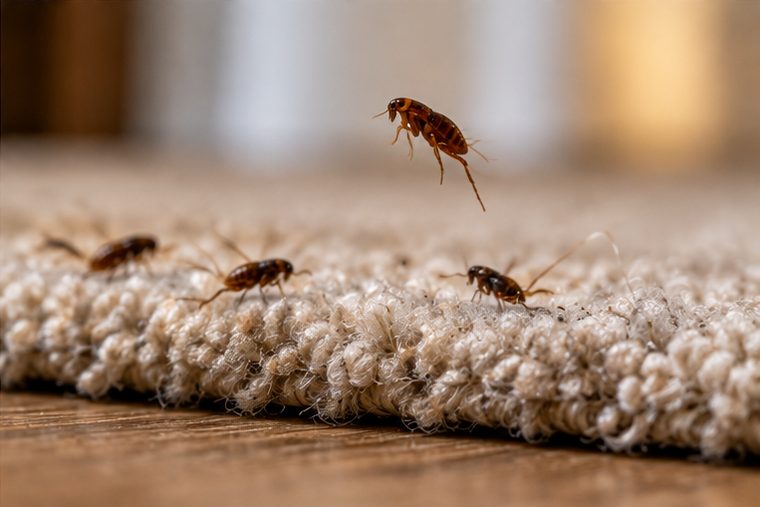
Start with thorough, repeated cleaning, and treat the pets at the same time. Fleas come from the whole household environment, so dealing with one part alone rarely works. Work through every room the animals use, including cars and outbuildings where they rest. Be patient and consistent, because the routine only works if it covers the pets, the floors and the soft furnishings together, and keeps going for several weeks.
Do not use household sprays or foggers on your own in rooms where people, pets, food or children's toys are present. Products meant for animals must never be used on other species, and cats in particular can be badly affected by treatments designed for dogs. Avoid putting off treatment of the pets, because fleas will simply return to the carpets. Do not give up after a single clean either. Eggs hatch over several weeks, so the routine needs to continue well beyond the first improvement.
Many people expect fleas to vanish within days, then worry when new ones appear. In reality it is normal to keep seeing some fleas for a few weeks, as pupae hatch and meet the treatment. Keep up vacuuming and pet treatment through that period rather than assuming it has failed. If you are still being bitten after a few weeks of careful effort, or the numbers are growing, that is the signal that the infestation is bigger than home cleaning can manage.
Call us if the problem is widespread, if fleas keep returning, if you have young children or anyone with skin conditions or breathing problems, or if you simply do not want to risk using the wrong product. We confirm that they are fleas, find where they are breeding and treat the affected rooms safely. We will also tell you how to prepare, how long to stay out of treated rooms and which follow-up steps with your vet and your cleaning routine will help.
Keep up regular preventative treatment for pets as advised by your vet, and wash their bedding often. Vacuum high-traffic and pet areas weekly, even when there is no problem. Be aware that fleas can arrive on visiting animals, on second-hand furniture and from wildlife such as foxes and hedgehogs passing through gardens. If you move into a home that has been empty, expect dormant fleas to be woken by your arrival. Checking early lets you act while the problem is still small.
If you would rather not deal with it yourself, call us on 01245 327 274 or send an enquiry below. You can also read more about our flea control service.
 BPCA Member
 CHAS Accredited
 Buy With Confidence
 Three Best Rated 2026
We cover towns and villages across Essex. Choose your area to see how flea control works locally.
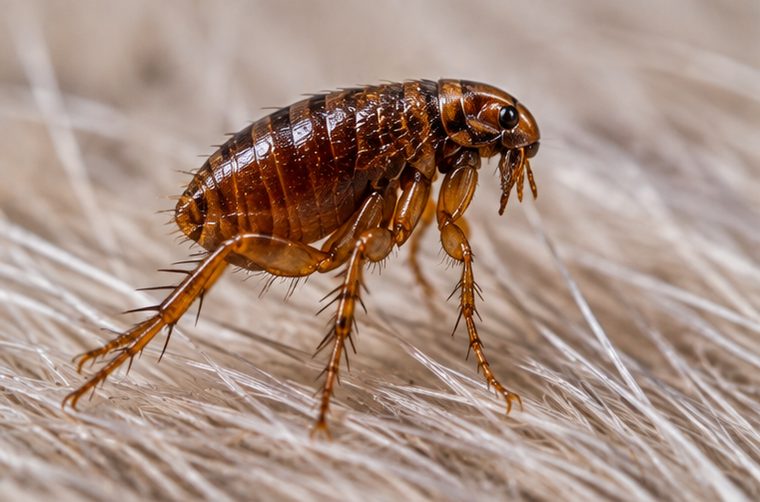
If fleas reappear after you thought the problem was over, the reason is usually in the life cycle or the routine, and it can be put right.
Read the guide →
Most household pests leave clues behind, and learning to read droppings, damage, noises and timing will help you decide what you are dealing with and what to do next.
Read the guide →
Rats are secretive and mostly active after dark, so the first clues are usually small marks and sounds rather than a sighting of the animal itself.
Read the guide →Yes. Fleas can arrive on visitors, second-hand furniture or from wildlife near the house, and dormant pupae may remain in carpets after previous occupants leave. Without a pet to feed on they will bite people instead, usually around the ankles. A home without animals can still have a real flea problem.
They do, though they prefer animals. People usually notice small, itchy red bites on the ankles and lower legs, sometimes in groups. Reactions vary from person to person, and some people hardly notice them. If bites are severe, spreading or you are worried, speak to a pharmacist or your doctor.
We explain exactly what to do before we start and when it is safe to return to treated rooms, including arrangements for children, pets and food. It is important to follow those instructions carefully. Fish tanks and small caged animals may need to be covered or moved, and we will tell you in advance.
Eggs and pupae in carpets and soft furnishings hatch over several weeks, so new adults keep appearing after a first clean. This is normal. Continue vacuuming, washing bedding and treating pets as your vet advises. If the numbers are not falling after a few weeks, a professional treatment is the sensible next step.
Tell us what you have found and roughly where it is. We will come back to you — or call 01245 327 274 if it is urgent.
