
If fleas reappear after you thought the problem was over, the reason is usually in the life cycle or the routine, and it can be put right.
Finding fleas again a week or two after treatment is one of the most common worries we hear, and it does not always mean the treatment failed. Fleas develop through eggs, larvae and pupae, and the pupae are protected and hard to reach. They can hatch days or weeks after the adults have been dealt with. Seeing a few new fleas during that stage is often part of the process, not proof that the first effort was wasted.
Only a small share of any flea population is the adult stage you can see. The rest is spread through carpets, rugs, bedding, sofa seams and gaps between floorboards. The pupae sit inside tough cocoons and may stay dormant until warmth, vibration or carbon dioxide from a passing person or animal tells them a host is near. That is why a quiet house can suddenly fill with fleas after someone returns from holiday. It also explains why a single treatment rarely ends everything at once.
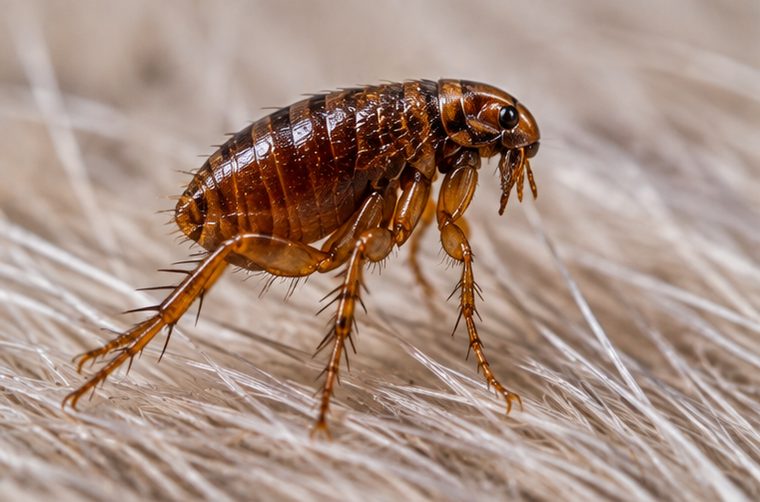
Several ordinary things allow fleas to carry on. Usually it is a gap in the routine rather than anything dramatic, and once you know which one applies you can close it. Go through these honestly before deciding that something more serious is happening, and be ready to repeat any step that was done too quickly the first time.
Walk through the home as a flea would. Check the places animals sleep, the spots where they sit by a window, the edges of carpets, the base of sofas and under furniture that is rarely moved. Look at cars and any shed or utility room. Think about whether anyone has brought in a second-hand rug, sofa or bed. In older Essex houses with gaps under floorboards, and in new-build flats with fitted carpets running throughout, fleas can find shelter in places that ordinary cleaning does not reach.
Avoid the temptation to use stronger and stronger products on your own. Mixing treatments, using sprays meant for other uses or putting animal treatments on the wrong species can harm pets and family members, and it rarely solves the real problem. Do not stop treating the pets because you cannot see any fleas on them. Do not wait several months in the hope that it goes away by itself, as populations can grow quietly in the background.
If you have kept up pet treatment and thorough cleaning for several weeks and still see fleas, or the bites are getting worse, it is time to call us. We confirm the pest, search for the breeding areas you may have missed and treat the home in a way that is safe for your household. We can also explain how long to expect some activity, what to do between visits and how to work alongside your vet.
Consistency is what works. Keep preventative treatments for your pets up to date as your vet advises, wash bedding regularly and vacuum the places animals rest every week. Act at the first sign of scratching or bites rather than waiting for a larger problem. If you have had fleas before, a quick check after holidays, visits and house moves helps catch any dormant ones before they take hold. Small steady habits are far more effective than occasional big efforts.
If you would rather not deal with it yourself, call us on 01245 327 274 or send an enquiry below. You can also read more about our flea control service.
 BPCA Member
 CHAS Accredited
 Buy With Confidence
 Three Best Rated 2026
We cover towns and villages across Essex. Choose your area to see how flea control works locally.
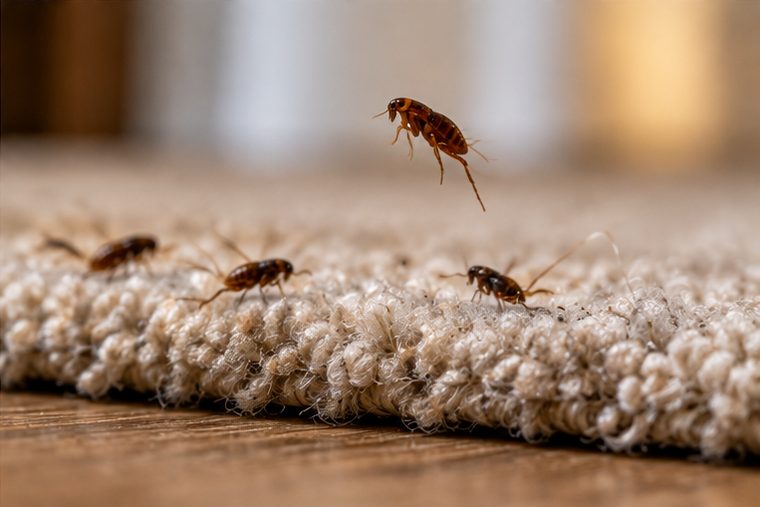
Fleas are small, fast and surprisingly persistent, but a calm and thorough routine, plus professional help when needed, will clear them from your home.
Read the guide →
Most household pests leave clues behind, and learning to read droppings, damage, noises and timing will help you decide what you are dealing with and what to do next.
Read the guide →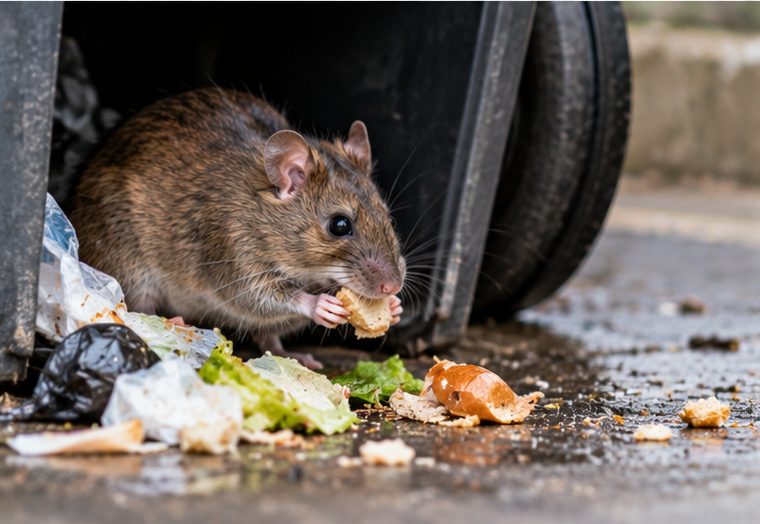
Rats are secretive and mostly active after dark, so the first clues are usually small marks and sounds rather than a sighting of the animal itself.
Read the guide →Adult fleas do not last long without feeding, but the pupae can stay dormant in their cocoons for weeks or longer until conditions suggest a host is nearby. That is why fleas can seem to appear from nowhere in a room or home that has been empty for some time.
Not usually on its own. Treatments deal with fleas that are active, but pupae can hatch afterwards. Success normally depends on treating the pets, cleaning thoroughly and carrying on for several weeks. We will explain what to expect and what follow-up is sensible for your particular home.
They can. Wildlife such as foxes and hedgehogs, as well as neighbouring cats, can leave fleas in sheltered garden spots, and your pets may pick them up there. Keeping pets treated and tidying places where animals rest helps limit the risk of them being carried indoors.
Almost never. Thorough, repeated vacuuming and washing of fabrics where possible are usually enough alongside pet treatment, and a professional treatment can deal with what remains. Replacing furniture is expensive and does not help if the cause, such as untreated pets, is still present.
Tell us what you have found and roughly where it is. We will come back to you — or call 01245 327 274 if it is urgent.
