
Colchester has a very varied housing stock, from old townhouses near the centre to modern flats and a big rental market. Fleas turn up in all of them, usually when a pet moves in or a property has stood empty. We treat the whole property, so the problem is dealt with at its source.
Our technicians talk through what they find, treat the affected rooms and give you a simple list of things to do. We return for a follow-up visit, because dormant fleas can keep hatching after the first treatment. We keep it simple.
 BPCA Member
 CHAS Accredited
 Buy With Confidence
 Three Best Rated 2026
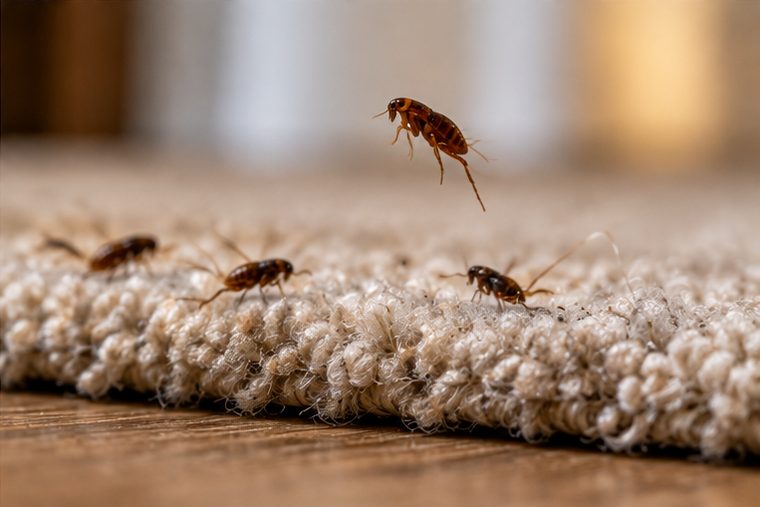
With a university and a large student population, Colchester has plenty of shared houses where tenancies change every year. A pet left by a former tenant, or a housemate with a cat, can leave eggs and pupae behind. They wait through the empty weeks, then hatch as soon as the next group moves in and the house warms up. This is a familiar pattern in rental areas.
Shared houses make fleas harder to handle, because nobody feels responsible for the whole building. We suggest agreeing on one person to coordinate, telling the landlord at once and treating every room together, including shared lounges and stairs. Treating one bedroom alone usually means fleas simply move along the landing to the next. Joint action is the only approach that works well.
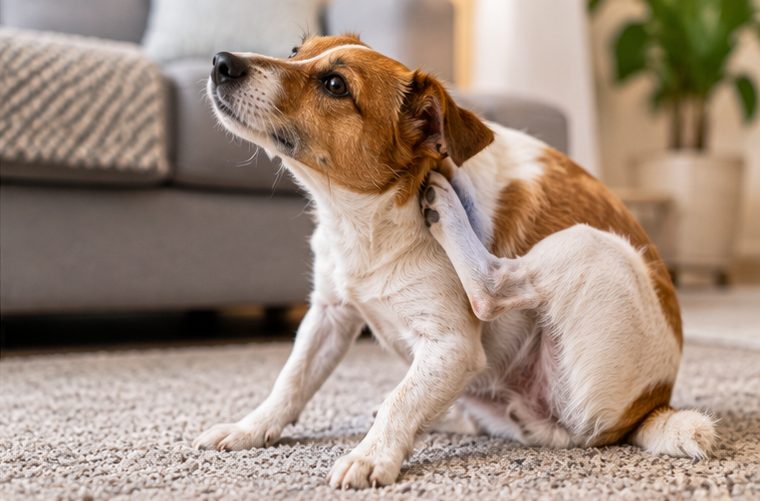
If you manage rentals in Colchester, fleas can lead to arguments over who pays and who should have acted. A clear record helps, so we explain what we found, which rooms were treated and what the occupants need to do next. Between tenancies, a quick check for flea dirt and a thorough vacuum save a lot of trouble. Plain records protect everyone involved.
Tenants who spot bites should report them promptly rather than waiting, since numbers rise quickly in warm rooms. Keep pets on a vet-recommended flea product, wash bedding hot and vacuum daily. We can work with agents to arrange access, and the follow-up visit is booked at the start so that nothing slips. Tell us early if access is awkward. That keeps things tidy for everyone.
Historic buildings in Colchester often have timber floors, gaps and old carpets where flea larvae can shelter, so we check these edges carefully. A garrison city also sees people moving in and out regularly. We also cover Clacton-on-Sea, Witham and Braintree, and our work across the CO1, CO2, CO3 and CO4 areas follows the same pattern of treatment and follow-up.
We cover towns and villages across Essex. Choose your area to see how flea control works locally.
Fleas are small, fast and surprisingly persistent, but a calm and thorough routine, plus professional help when needed, will clear them from your home.
Read the guide →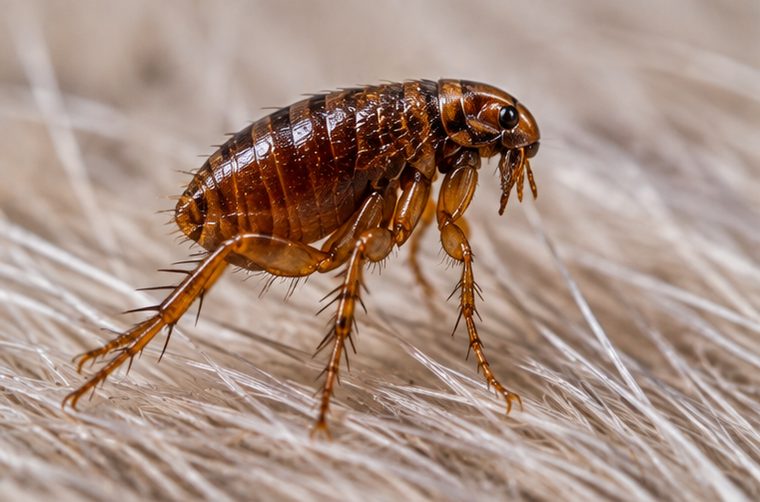
If fleas reappear after you thought the problem was over, the reason is usually in the life cycle or the routine, and it can be put right.
Read the guide →
Most household pests leave clues behind, and learning to read droppings, damage, noises and timing will help you decide what you are dealing with and what to do next.
Read the guide →It depends on the tenancy agreement and how the fleas arrived, so check your contract and speak to your landlord or agent. Either way, report it early, and make sure everyone in the property cooperates so that the treatment works.
Sprays can help a little, but they often miss eggs and pupae hidden in carpets and under furniture, and results vary. Thorough vacuuming and washing are worth doing either way. If bites continue, a professional treatment with a follow-up is more reliable.
Dormant pupae can wait in carpets for weeks until vibration and warmth tell them it is time to hatch. Moving in provides exactly that. It is common in homes that have been empty, and it does not mean you did anything wrong.
Tell us what you have found and roughly where it is. We will come back to you — or call 01245 327 274 if it is urgent.
