
If you can hear scratching in the walls or loft of your Billericay home, or you have found droppings in a cupboard, it is worth acting early. Mice breed quickly and one visitor can become a household in a few weeks. We deal with them through a full treatment programme, not a single drop-in, so the job is properly followed through.
Billericay has an older high street, roads of mixed ages and open countryside right at the edge of town, which gives mice plenty of ways in. Homes in CM11 and CM12 often have small gaps that only show up on a careful inspection, and that is where our work begins.
 BPCA Member
 CHAS Accredited
 Buy With Confidence
 Three Best Rated 2026
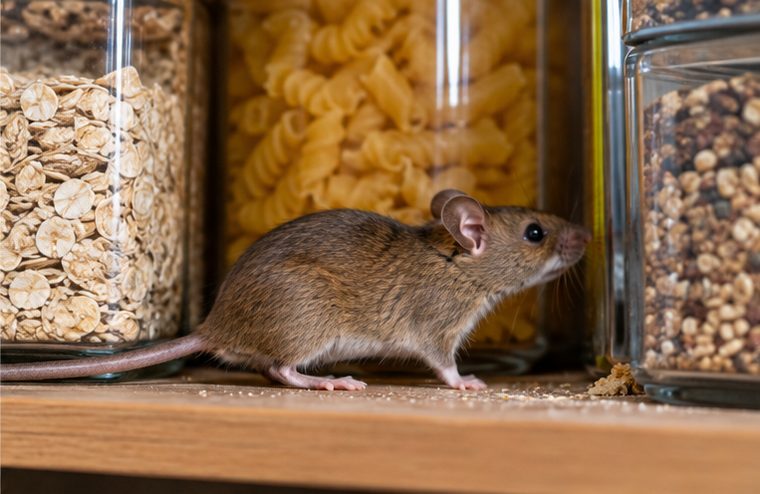
Older buildings settle over the years, and that leaves hairline gaps round pipes, under eaves and where brickwork meets timber. Newer houses have their own weak spots, such as service entries and the joins around extensions. Because fields and hedgerows sit close to the edge of Billericay, mice often move indoors as the weather turns colder, looking for warmth, shelter and anything edible in the kitchen or garage.
During the inspection we trace droppings, gnaw marks and greasy smears back along the walls to find the runs mice follow. We check the loft, the void under the stairs, behind the cooker and anywhere food is kept. Mice use the same routes again and again, so finding the run tells us where traps will do the most good, and which gaps matter most. A short note of what we find is left with you.
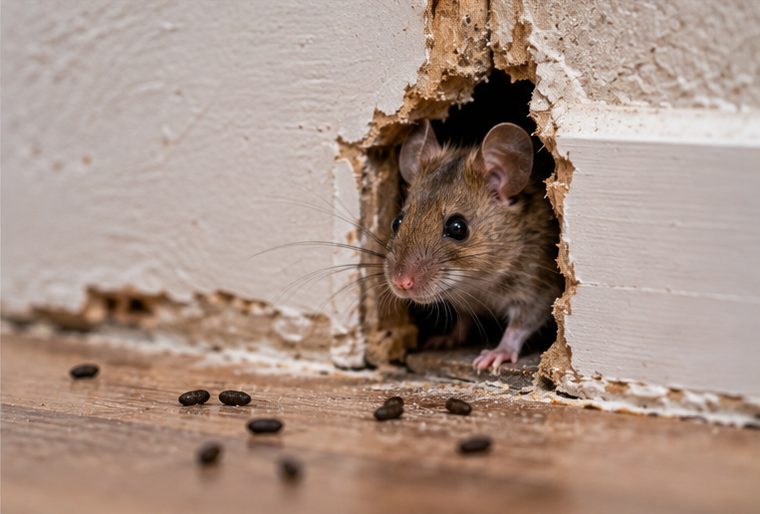
In the first week at your Billericay property we set traps along the runs and add bait stations where they can be used safely, away from pets and children. We write down what goes where. A few days later we return to look at every trap, see what has been caught, and adjust the layout based on what the mice are doing rather than what we first guessed.
After that the visits spread out, usually over a few weeks. Each one tells us whether activity is dropping, and we stop only when the traps stay quiet and no new signs appear. If a gap is still letting mice in, the checks show it, and we deal with it then. Nobody can promise a result, but careful monitoring gives you the strongest chance of a clean finish.
In Billericay, proofing is done once we are confident the mice have gone, so that nothing is sealed in. We fill gaps round pipes, cover vents with mesh and tighten up door edges. In the home, store grain, pasta and pet food in sealed tubs, keep the garage tidy and move piles of boxes away from walls. We also work in Wickford and Brentwood, and the same advice suits houses there too.
We cover towns and villages across Essex. Choose your area to see how mouse control works locally.
Mice are small, quiet and mostly active at night, so the evidence they leave behind is often the first thing you notice, long before you see one.
Read the guide →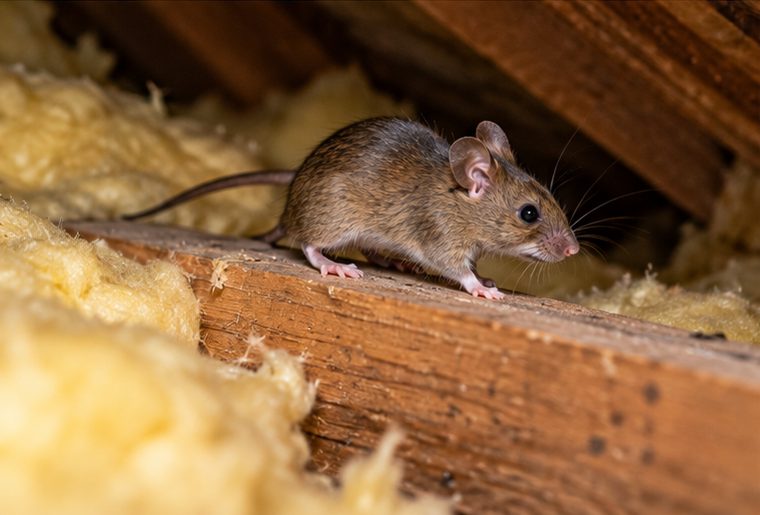
Mice only need a tiny gap to get inside, so stopping them means knowing where homes tend to be weak and tackling the entry points carefully.
Read the guide →
Most household pests leave clues behind, and learning to read droppings, damage, noises and timing will help you decide what you are dealing with and what to do next.
Read the guide →As temperatures drop, mice look for warm, dry places with food. Houses near fields and gardens are an easy target, especially where there are small gaps at ground level or in the loft. Clearing clutter and sealing entry points before the cold sets in makes a real difference.
Usually not. Mice are shy and active at night, so we judge the problem by signs such as droppings, gnawing, nesting material and the noises you describe. Trap results over the following visits then show us how many mice there were and where they were travelling.
No. Inspection and trap placing can be done with you at home, and we keep bait and traps out of reach of children and pets. If a particular area needs to be left alone for a short time, we will tell you which one and why.
Tell us what you have found and roughly where it is. We will come back to you — or call 01245 327 274 if it is urgent.
