
Billericay sits right on the edge of open countryside, and that is exactly where moles thrive. Gardens in CM11 and CM12 that back onto fields, hedgerows or paddocks often see fresh molehills appear overnight, and a smooth lawn can turn lumpy very quickly. We deal with garden moles from start to finish, from confirming the signs to checking the traps.
Moles never come indoors, so the trouble is confined to grass, borders and bulb beds. Our approach is straightforward: find the tunnels that matter, trap there, and give you honest advice about putting the ground right once the animal has gone.
 BPCA Member
 CHAS Accredited
 Buy With Confidence
 Three Best Rated 2026
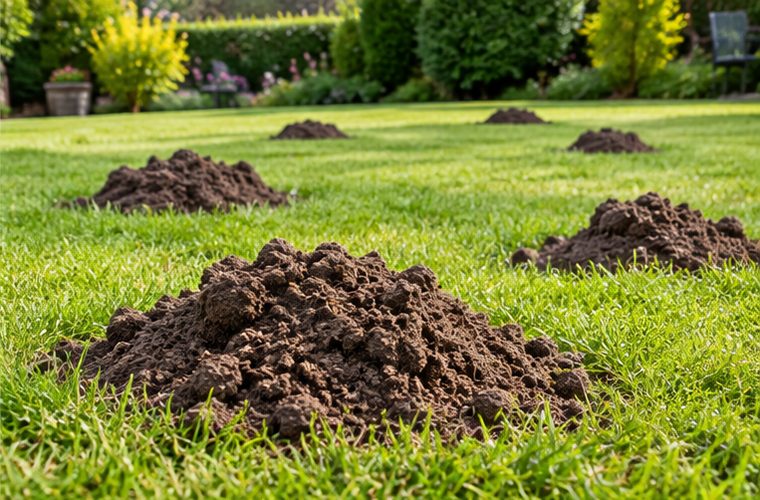
Moles follow food, and grassland with healthy soil full of worms is ideal for them. Gardens next to farmland or open ground in Billericay can be reached through the field boundary, so a lawn that looked fine for years may suddenly be tunnelled. The animal does not care about fences, since it works well below them, and a single mole can cover a surprising amount of ground.
Typical signs include loose heaps of fine soil, a ridge of lifted turf running across the lawn, and soft ground that gives way underfoot. Autumn, winter and spring are often when you notice most, because the soil is damp and easy to dig, although moles stay active all year round beneath the surface. Fresh, dark soil is the clearest sign that a tunnel is in use.
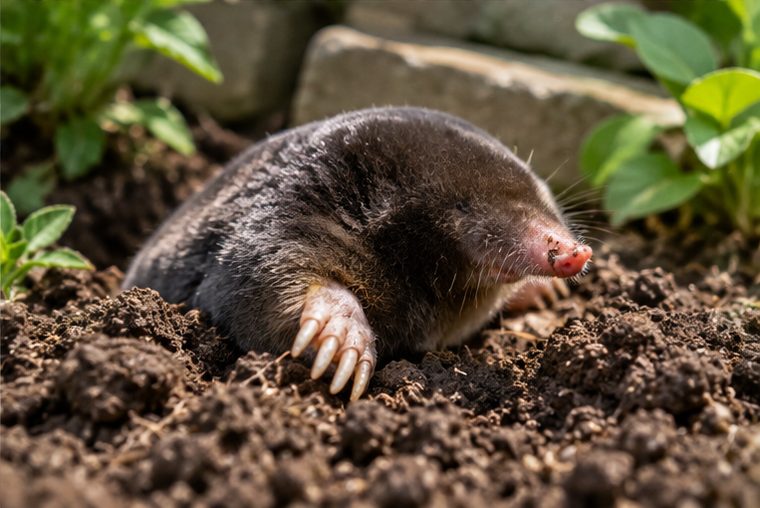
Poking about at every hill does not work, so we start by deciding which tunnels the mole uses repeatedly. These main runs are usually deeper and straighter than the short side branches, and often follow a hedge, path or fence line. We set traps in those runs and check them at regular intervals so nothing is left longer than it should be.
On a typical Billericay garden this takes a small number of visits. Larger lawns, paddocks and grounds with several tunnels can need more attention, and we explain this before we begin. We do not promise that moles will never return, since new ones can arrive from neighbouring land, but we can tell you what to look for and how to catch it early.
After trapping, spread the soil from the hills thinly over the grass or use it to fill hollows, then firm any collapsed tunnels by walking over them or lightly rolling. Reseed bare patches when the weather is mild. If you want to check for fresh activity in Billericay afterwards, a clean, flat lawn makes new hills easy to spot. We also cover Brentwood, Basildon and Wickford.
We cover towns and villages across Essex. Choose your area to see how garden mole removal works locally.
Fresh mounds of loose soil are the classic sign of a mole, but a few other things can look similar, so it pays to check properly.
Read the guide →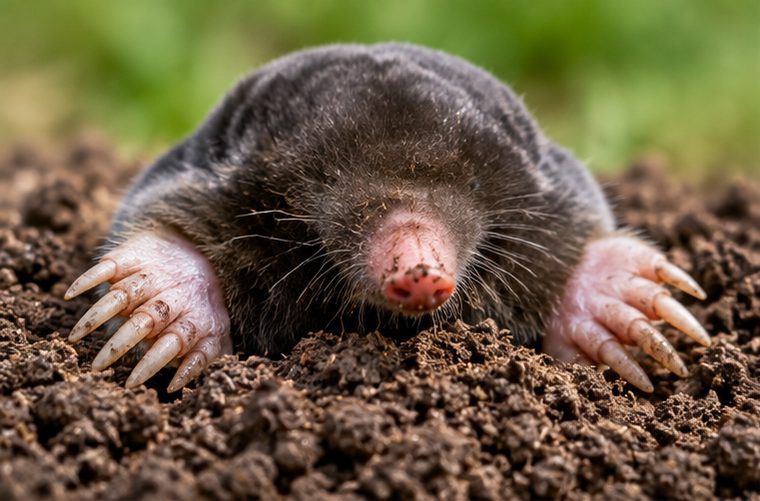
If new molehills keep appearing after you have cleared the old ones, the cause is usually food, soft soil and a tunnel network that never really goes away.
Read the guide →
Most household pests leave clues behind, and learning to read droppings, damage, noises and timing will help you decide what you are dealing with and what to do next.
Read the guide →It is possible, because fields supply a steady stream of moles looking for new ground. We remove the animal causing the damage, and you can keep an eye on the lawn for fresh hills. Catching a new arrival early is much simpler than dealing with a full network.
Yes, we work on gardens, paddocks and other grass land. Larger areas take longer because there are more tunnels to check, so we look at the ground first and explain how many visits we expect before any traps go in.
Please leave them. Fresh hills show us which tunnels are in use and where the main runs lie. Once we have finished, you can rake the soil flat and repair the turf, and we will give you tips on doing it properly.
Tell us what you have found and roughly where it is. We will come back to you — or call 01245 327 274 if it is urgent.
