
If you have mice in Wickford, you probably want to know what will happen and how long it will take. We keep it simple: a first visit to inspect and set traps, then follow-up visits to check and adjust, and a final stage to seal the gaps. Bait is used only where it is safe.
We cover the SS11 and SS12 postcodes, including newer estates, high street shops and the homes at the edge of town where fields begin. We will explain each stage as we go, so you always know what has been done and what comes next.
 BPCA Member
 CHAS Accredited
 Buy With Confidence
 Three Best Rated 2026
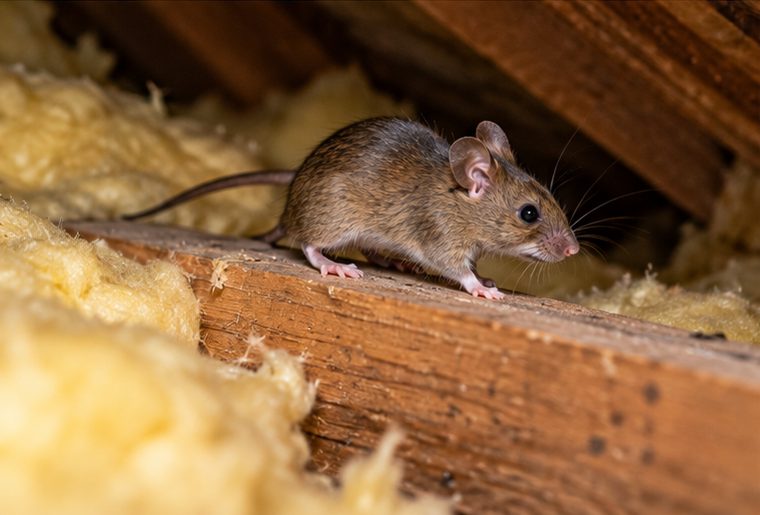
On the first visit we look for signs of activity and, just as importantly, for the way mice are getting in. Kitchens, airing cupboards, garages and lofts are all checked. We look for droppings, gnawing, smears along walls and nesting material, and ask what you have heard or seen, because the story from the household often points us toward the right room.
Wickford is a commuter town with newer estates, and many modern houses have gaps that are easy to miss: where pipes pass through walls, round boiler flues, beneath fitted kitchens and at the edge of garage doors. We check these closely, and point out the ones we think matter most. Traps and bait go down in the places that make sense, and we show you where each one is.
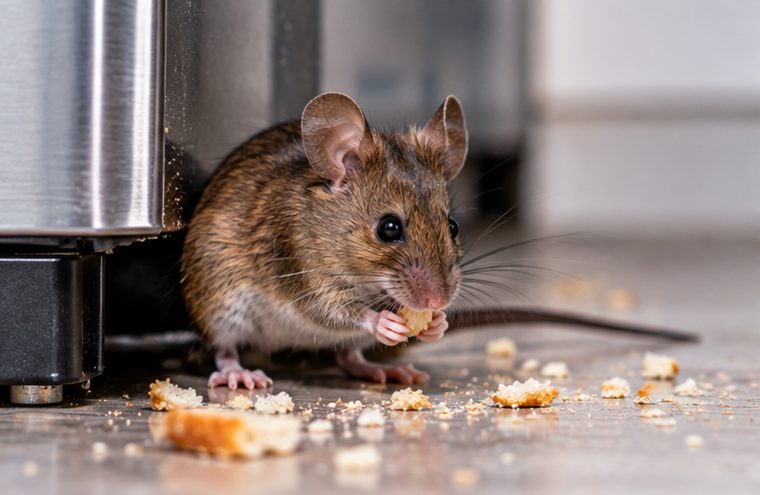
The follow-up visits are where most of the work gets done. We empty and reset traps, check bait stations, and look for any new signs. If mice are active somewhere we had not expected, we change the layout. If catches slow down and signs fade, we know the treatment is working and can plan the final stage of sealing and advice with more confidence.
Because Wickford has open land and farmland around it, homes on the edge of town can see fresh mice arrive when the season changes. We keep that in mind when deciding how many visits to make. A property in the middle of an estate may need fewer checks than one backing onto fields, but we judge each by what we find, not by a standard number of calls.
Once the checks are clear, we seal the gaps we can reach and give practical advice on storing food, clearing crumbs and handling waste. This is what helps the result last. We also cover Basildon, Billericay and Rochford, so if you are close by the same programme is available to you, with the same checks and the same plain explanations.
We cover towns and villages across Essex. Choose your area to see how mouse control works locally.
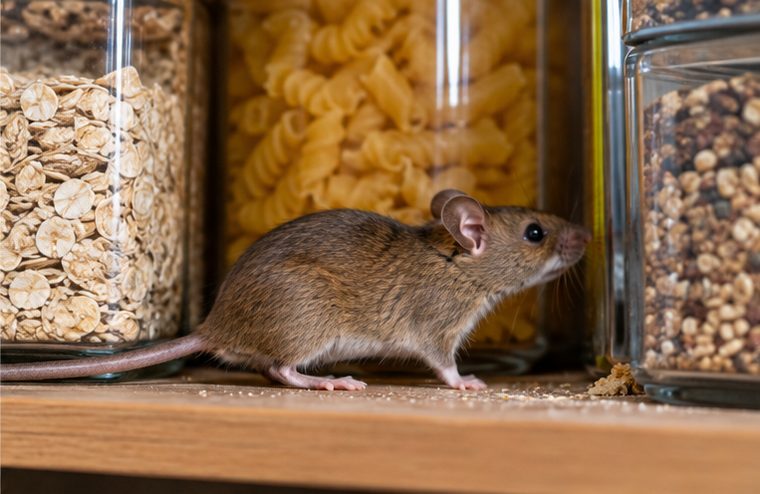
Mice are small, quiet and mostly active at night, so the evidence they leave behind is often the first thing you notice, long before you see one.
Read the guide →Mice only need a tiny gap to get inside, so stopping them means knowing where homes tend to be weak and tackling the entry points carefully.
Read the guide →
Most household pests leave clues behind, and learning to read droppings, damage, noises and timing will help you decide what you are dealing with and what to do next.
Read the guide →Most jobs need an initial visit and then several follow-ups over a few weeks. A small, new problem may be quicker, and a long-running one may take longer. We will tell you how it is going after each visit rather than fixing a number in advance.
Newer homes can still have small gaps around pipes, flues, fitted units and garage doors, and mice only need a tiny opening. Age is less important than access and food. The fix is finding the gap and sealing it after treatment.
No. We use bait only where it can be placed safely, away from children, pets and wildlife. In many cases traps alone are enough, and in sensitive spots such as kitchens we prefer them. We will tell you what we plan to use before we start.
Tell us what you have found and roughly where it is. We will come back to you — or call 01245 327 274 if it is urgent.
