
Newly laid turf and neat estate lawns look smartest in spring, and a mole can wreck them in a week. Wickford has a high street, newer estates and farmland and open land around it, so plenty of gardens sit right next to the sort of ground moles come from. We trap them and help you recover the lawn.
Our visit starts with the evidence. We look at the hills and ridges, work out which tunnels are really in use, and set traps only where they will make a difference. We also tell you what is likely to happen next, so there are no surprises.
 BPCA Member
 CHAS Accredited
 Buy With Confidence
 Three Best Rated 2026
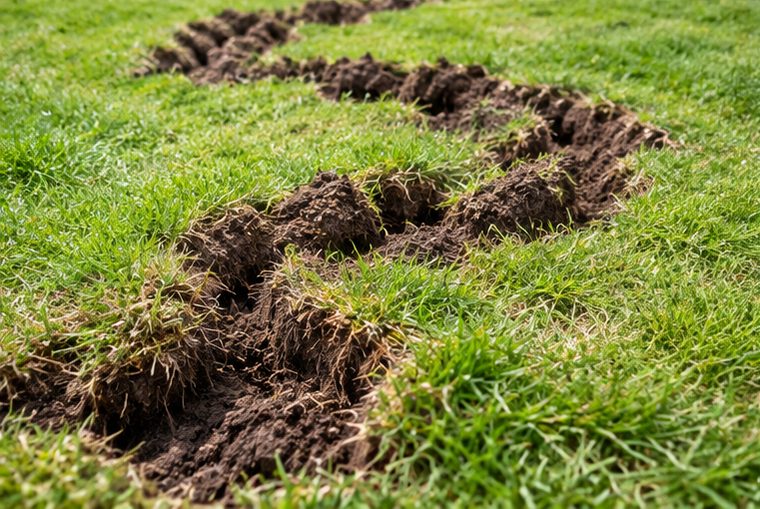
Estate gardens are often laid with turf over disturbed ground, and soft soil over builders' backfill can be easy to tunnel. Where an estate backs onto a field, hedgerow or ditch, a mole can come in under the fence and find a lawn full of worms. The garden nearest the open land is usually the first to be hit, sometimes weeks before anyone else notices anything.
Look at the lawn from an upstairs window or the end of the garden: a line of hills often shows the route of a run. Pressed-down ridges that rise again confirm activity. Fresh, dark soil means recent work. In Wickford, autumn and spring are common times to notice it, when the ground is damp and the grass is being mown, so a mower catching a hill gives the game away.

We confirm the signs, then choose the main run, usually a tunnel between several hills that stays in use. A trap goes inside, the opening is covered, and we return to check on a regular basis, moving or removing traps as the situation changes. We keep disturbance to your lawn low, as there is little point repairing it twice, and we put back any turf we have lifted.
Wickford gardens are generally easy to reach, with side gates and clear fences, which helps us work tidily. We let you know where traps are while they are in place. Moles are not a pest indoors, so nothing happens inside the house. If we think the problem is something else, such as worms or a rat, we say so honestly and suggest the right next step.
When fresh heaps stop, level the old ones with a rake and put the soil to use filling hollows. Firm down soft tunnels, reseed bare patches and water them while the weather is dry. Wickford lawns on newer estates repair quickly if the base is sound. We also cover Rochford, and can look at a friend's lawn in the same trip if it fits.
We cover towns and villages across Essex. Choose your area to see how garden mole removal works locally.
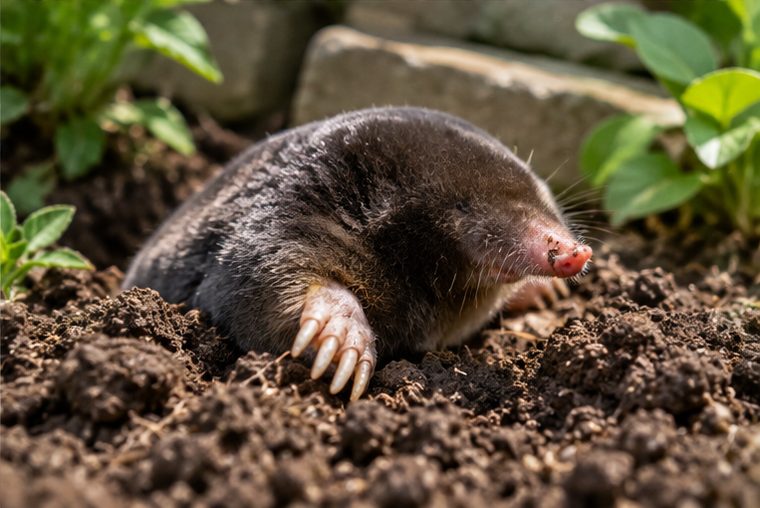
Fresh mounds of loose soil are the classic sign of a mole, but a few other things can look similar, so it pays to check properly.
Read the guide →If new molehills keep appearing after you have cleared the old ones, the cause is usually food, soft soil and a tunnel network that never really goes away.
Read the guide →
Most household pests leave clues behind, and learning to read droppings, damage, noises and timing will help you decide what you are dealing with and what to do next.
Read the guide →It can be damaged, because moles lift and loosen the roots, but new turf can usually be repaired once the animal is trapped, as long as the grass roots have not dried out. Press down the tunnels, reseed gaps and keep the repaired areas watered.
A mole follows worms and quiet ground, so it may favour one lawn over the rest. Gardens next to open land are often hit first. Your neighbours may be affected soon, so it can help to let them know.
We open a short length of tunnel to set each trap and cover it again, so only small marks remain. Existing mole damage is usually far larger. Once trapping is finished, the repairs we suggest tidy up any marks.
Tell us what you have found and roughly where it is. We will come back to you — or call 01245 327 274 if it is urgent.
