
It is tempting to deal with a wasp nest yourself, but stings, falls and a more aggressive colony make it one of the jobs most worth leaving to a professional.
A wasp nest can hold thousands of workers by late summer, and every one of them will defend it. When a nest is disturbed, wasps can release a scent that alerts others, and many will come out together. A person who gets too close can be stung repeatedly in a matter of seconds, often on the face and neck, which is much more serious than a single sting. Wasps can also sting more than once, so running away does not always end the danger quickly, particularly if the nest is beside a path or door.
Most people have only a painful, swollen sting, but a small number react severely, even if they have never had a problem before. Symptoms such as breathlessness, a swollen face or tongue, dizziness or a rapid pulse are an emergency and need urgent medical help. You cannot know in advance how you or your neighbours will react, which is one very good reason to avoid taking the chance.
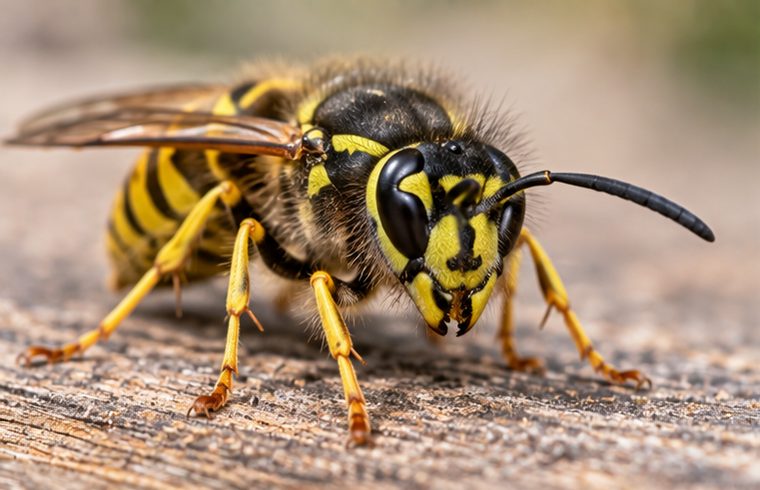
Many nests are above head height, under eaves, in lofts or in tight corners. Reaching them often means standing on a ladder or crawling through a roof space, and a sudden swarm of wasps is the last thing you want when you are off balance. Falls from ladders cause real injuries each year, and a rushed retreat in a loft can end with a foot through a ceiling. Professionals use the right equipment, protective clothing and training for these locations.
Sprays, powders and home remedies can leave a nest only partly treated. Wasps that survive become more defensive, and some may spread out to look for a new site, sometimes into the living space. Pouring liquids, using smoke or flame, or blocking the entrance are especially dangerous, and they can also damage the roof, soffits or insulation. A half-treated nest may also be harder to deal with afterwards, because the surviving colony is agitated and unpredictable.
When we attend, we first identify the insect and find the nest, as not everything that stings is a wasp. We then choose a treatment that suits the position and the building, working with protective equipment and keeping people and pets clear. We explain what we have done and what to expect over the following days, such as returning wasps for a short while. Where it is needed, we also advise on closing the gap so it is not reused.
Stay calm and keep your distance. Close windows and doors near the nest, keep children and pets indoors, and cover food and bins outside. Do not stand beneath the entrance or watch it closely. If you can safely do so from a distance, take a photograph and note where the wasps are going, then pass this to us. You do not need to take any further action. Leave the rest to us, and call as early as you can, because a nest that is dealt with while it is small is always the safer job for everyone involved.
Each spring, queens search for sheltered spots. Check the outside of your home early in the year for gaps in eaves, fascias, air bricks and shed walls, and have them repaired. Keep lofts and outbuildings closed, and check them occasionally for the beginnings of a nest, looking only from a safe distance. Cover bins, clear fallen fruit and avoid leaving sugary drinks outside in summer to keep wasps from lingering in the garden.
If you would rather not deal with it yourself, call us on 01245 327 274 or send an enquiry below. You can also read more about our wasp nest removal service.
 BPCA Member
 CHAS Accredited
 Buy With Confidence
 Three Best Rated 2026
We cover towns and villages across Essex. Choose your area to see how wasp nest removal works locally.
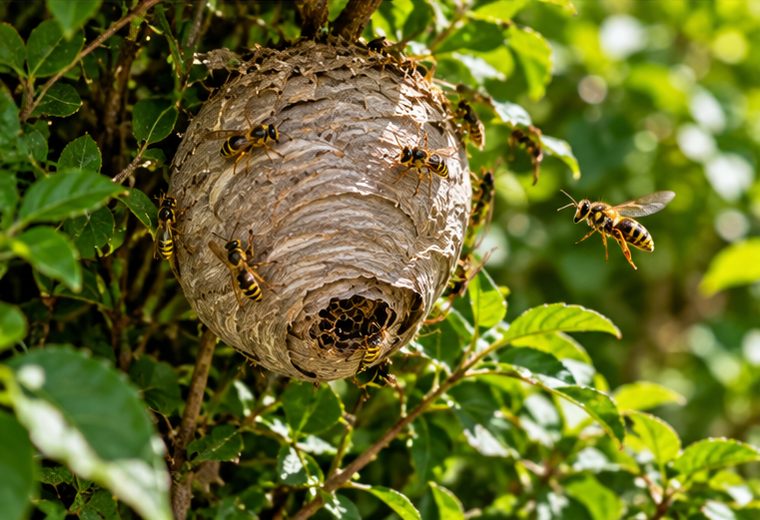
A single wasp is usually just passing through, but a steady stream flying to and from one spot is the clearest sign that a nest is close by.
Read the guide →
Most household pests leave clues behind, and learning to read droppings, damage, noises and timing will help you decide what you are dealing with and what to do next.
Read the guide →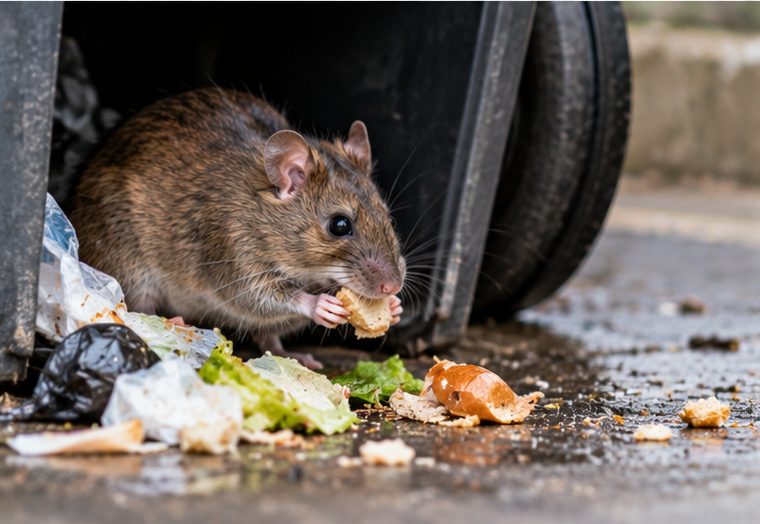
Rats are secretive and mostly active after dark, so the first clues are usually small marks and sounds rather than a sighting of the animal itself.
Read the guide →We would still advise against it. A small nest can contain many wasps, and it is often bigger than it looks, particularly if it is in a wall or loft. Early nests are easier for a professional to deal with, so a quick call is the safest way to deal with a young nest.
Calm wasps are not a promise of safety. They can become defensive within seconds when vibrations, noise or smoke reach the nest. Even a quiet nest should be left alone, and you should stay at a distance. The behaviour of the colony can change without warning.
You may see a few wasps for a short while, as returning workers find the nest gone or inactive. This is normal and fades. If a lot of wasps are still active after several days, please tell us so we can check that everything has been dealt with properly.
Do not do so until a professional has confirmed that the colony is no longer active. Nests can appear empty while insects are still inside or returning. Once it is safe, an old nest is harmless and can be removed, and we can do that for you if it is hard to reach.
Tell us what you have found and roughly where it is. We will come back to you — or call 01245 327 274 if it is urgent.
