
Epping sits on the edge of Epping Forest, with an older high street and plenty of period properties, and all of that gives wasps good places to settle. Queens look for a sheltered, quiet gap in spring, and by late summer the nest they started can hold thousands of insects.
If wasps are flying into your roof, wall or shed in Epping, we can deal with the nest for you. Our technician finds the entrance, treats the colony safely and explains what comes next, including how to stop it happening again.
Found a wasp nest at your home or business? We treat wasp nests across Essex for £90 fixed cost.
Wasps commonly build nests around roof spaces, eaves, sheds, garages and other sheltered spots. Rather than disturbing a nest yourself, speak to our pest-control team.
Wasp Nest Removal in Essex → BPCA Member
 CHAS Accredited
 Buy With Confidence
 Three Best Rated 2026
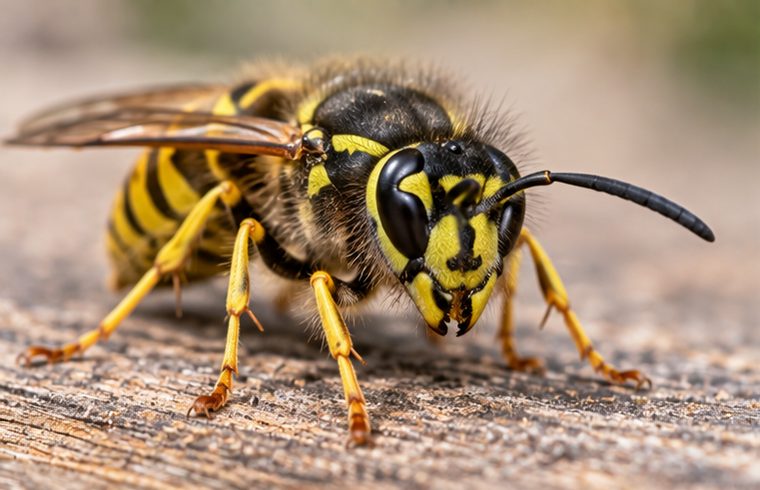
Period properties in Epping usually have the sort of features wasps like: old tiles, timber fascias, chimney stacks, loose pointing and deep, unlit roof spaces. A nest may be tucked in a corner you have not visited for years. Along the high street, upper floors and rear extensions hide plenty of voids that nobody looks at until the wasps appear and customers notice them.
Woodland close to town means many gardens are visited by queens each spring, and nests can be built in tree hollows, compost heaps, banks and thick undergrowth as well as in buildings. Garden sheds and log stores are common too. If you are not sure whether the activity is wasps, bees or hornets, describe what you see and we will help you work it out.
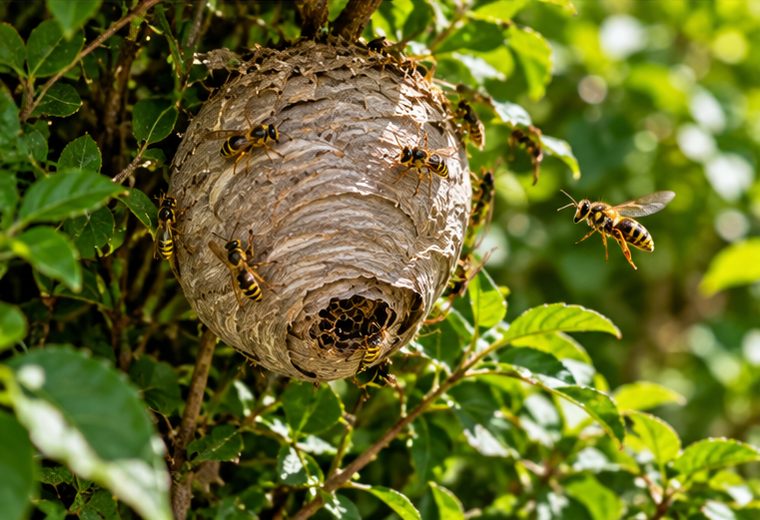
Older roofs call for care. We check access, work from stable positions and avoid disturbing tiles or timber more than necessary. The treatment goes into the entrance or void with professional equipment, then the workers carry it through the nest. Within a few days the colony dies back and the traffic of wasps stops, though a few may linger near the hole.
Wasp nests inside a wall or chimney breast are sometimes impossible to remove, so we focus on treating the colony and advising on the entry gap instead. In Epping we often recommend that a roofer or builder looks at defects the wasps have used, since the same gap lets in rain and other pests, and it is simpler to fix the problem early, before the weather gets into it.
Keep a good distance from the nest in Epping, close windows near it and make sure children and pets are not playing close by. Do not poke the entrance or try to smoke the wasps out. We cover CM16 and the villages around the forest, and can also help in Loughton, Harlow and Brentwood, so give us the address and where you see wasps going in.
We cover towns and villages across Essex. Choose your area to see how wasp nest removal works locally.
A single wasp is usually just passing through, but a steady stream flying to and from one spot is the clearest sign that a nest is close by.
Read the guide →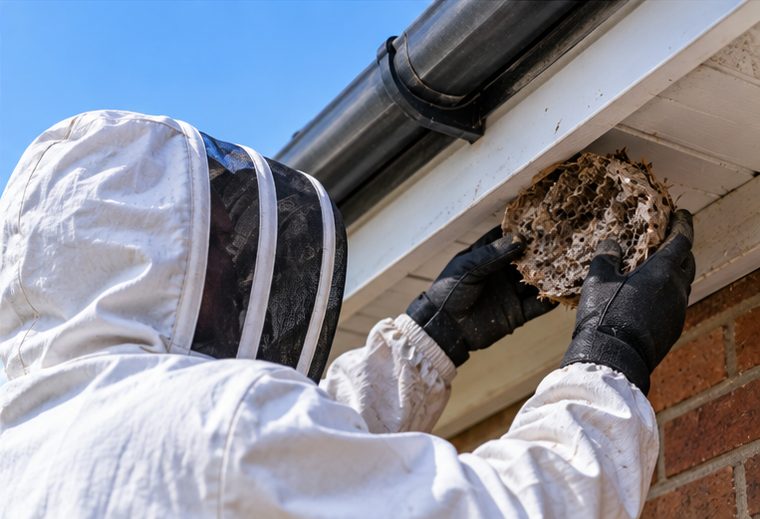
It is tempting to deal with a wasp nest yourself, but stings, falls and a more aggressive colony make it one of the jobs most worth leaving to a professional.
Read the guide →
Most household pests leave clues behind, and learning to read droppings, damage, noises and timing will help you decide what you are dealing with and what to do next.
Read the guide →Hornets are larger, with more orange and brown on the body, and nest in hollow trees and sheds. If you are unsure, take a clear photograph from a safe distance or describe the insects, and we will tell you what we think.
Often yes. Wasps use chimneys that are capped or unused, and we can treat the entrance or the void depending on access. Do not light a fire if you suspect a nest, and have the chimney checked afterwards.
Seal gaps in the roof and walls, keep the door closed in spring and clear out old nests once they are inactive. Check the shed in April and May, when queens start looking for homes, and act early.
Tell us what you have found and roughly where it is. We will come back to you — or call 01245 327 274 if it is urgent.
