
Mice in a Basildon home or unit rarely turn out to be a one-visit problem, because the first mouse you see is usually not the only one. We treat mice as a programme rather than a quick fix: a proper inspection, traps and bait placed where they are safe, repeat visits to check them, and proofing to close the gaps they used.
Basildon has a lot of family homes, flats and commercial units close together, and mice move between them along service gaps and shared walls. Whether you live in SS13 to SS16 or run a unit on an industrial estate, we will explain what we find and what the next few weeks will look like.
 BPCA Member
 CHAS Accredited
 Buy With Confidence
 Three Best Rated 2026
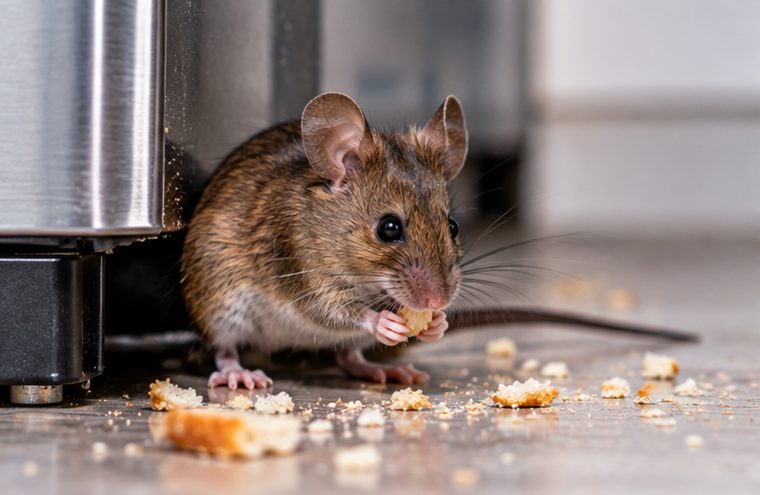
We start by working out how many mice there are and where they are getting in. That means looking for droppings, gnaw marks, greasy smears along skirting boards, nesting material and the stale smell mice leave behind, then asking what you have heard at night. In a Basildon estate house we often check the kitchen units, the airing cupboard pipework and the loft hatch first, because those are the usual routes.
Mice can squeeze through a gap about the width of a pen, so the entry point is rarely obvious. We look at pipe runs, air bricks, door thresholds and the joins between extensions and the main house. Once we know the likely routes, we explain the plan in plain words, agree what will be done and leave you with a clear idea of how many visits to expect.
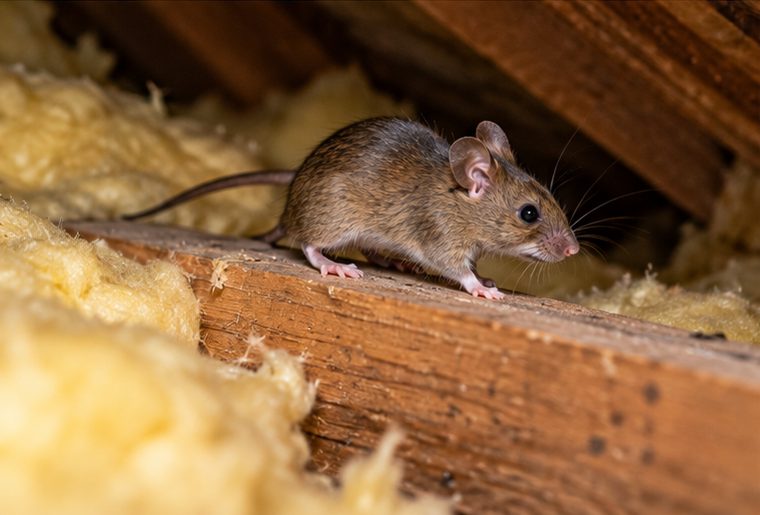
Where it is safe to do so we use a mix of snap traps and baiting, placed along the walls and runs mice actually use. Pets and children come first, so anything containing bait goes in tamper-resistant boxes or in voids they cannot reach. Nothing is put down at random. We note where every trap and station sits and what we found at each, so the next visit has something to compare against.
The checking is the important part. Mice do not all disappear after the first visit, so we come back over several weeks to look at the traps, record what has changed and move or remove stations as activity drops. In a busy part of Basildon, with flats and shops sharing walls, that monitoring is how we tell whether the problem has really settled or simply moved along the terrace.
Once the activity has stopped we deal with how they got in. In a Basildon house, gaps round pipes can be filled with wire wool and a suitable filler, loose air bricks covered with mesh and door gaps sealed. Indoors, keep dry food in hard plastic or metal tubs, clear crumbs from under the cooker and avoid leaving pet food out overnight. We also cover Billericay and Wickford, so if a relative nearby has the same trouble, pass this on.
We cover towns and villages across Essex. Choose your area to see how mouse control works locally.
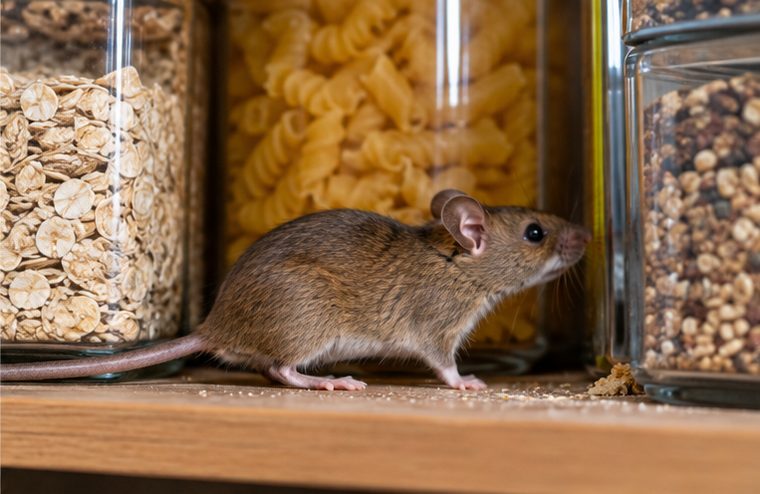
Mice are small, quiet and mostly active at night, so the evidence they leave behind is often the first thing you notice, long before you see one.
Read the guide →Mice only need a tiny gap to get inside, so stopping them means knowing where homes tend to be weak and tackling the entry points carefully.
Read the guide →
Most household pests leave clues behind, and learning to read droppings, damage, noises and timing will help you decide what you are dealing with and what to do next.
Read the guide →Expect an initial visit and then several check visits over a few weeks. We look at the traps each time and only finish once there is no fresh activity. A light problem can settle sooner, while a larger one in a block of flats may take longer because the mice have more places to hide.
Yes, that is part of how we plan every visit. Bait goes in locked, tamper-resistant stations and traps are set inside covers or in places pets and children cannot reach, such as behind appliances or in the loft. We tell you exactly where each one is so nobody moves it by accident.
Yes. Commercial sites follow the same programme, with a written note of where stations are and what was found on each visit. We check storage areas, delivery doors and waste points, and advise on stock being kept off the floor so mice have less reason to stay.
Tell us what you have found and roughly where it is. We will come back to you — or call 01245 327 274 if it is urgent.
