
Ants in a Basildon kitchen are usually black garden ants, and they tend to appear as a neat line across the worktop within a day or two of a warm spell. We follow the trail back to where it starts, find the nest outside or inside the building, and deal with it at the source rather than only clearing the ones you can see.
Basildon has large neighbourhood estates, blocks of flats and plenty of industrial units, and ants cause trouble in all of them. If you are in SS13 to SS16 and have a trail, a swarm of flying ants or a nest under the patio, we will identify the species and explain what is going on before anything is treated.
 BPCA Member
 CHAS Accredited
 Buy With Confidence
 Three Best Rated 2026
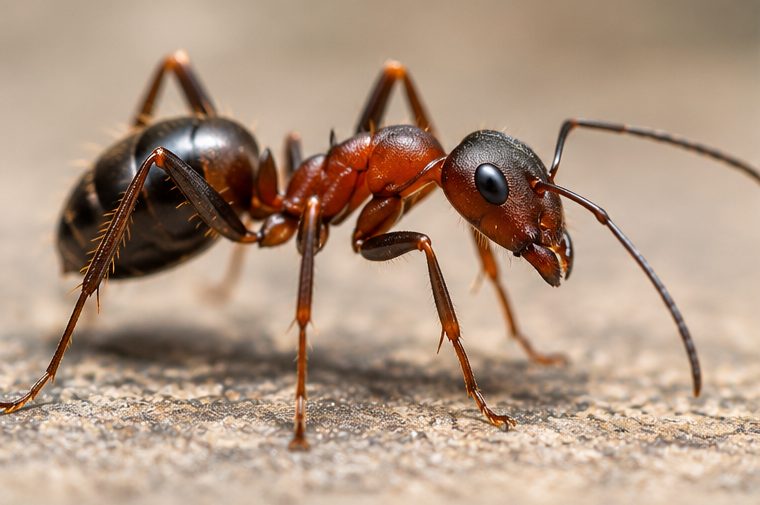
Most of the ants we are called to are black garden ants. The nest is normally under a patio, a paving slab, a lawn edge or a drive, and sometimes in a wall cavity or beneath a kitchen floor. Workers go out looking for sweet food such as spilled juice, jam, cake crumbs and pet food, then follow the same scent trail home, which is why you see a tidy line along a skirting board or window sill.
On the bigger Basildon estates, houses often sit close together with paved back gardens, and the ground under slabs stays warm and dry, which suits a nest perfectly. Flats follow a different pattern: ants run along pipes, cable ducts and shared walls, so the nest can be several homes away from the one where you spot them. We trace the trail properly rather than assume.
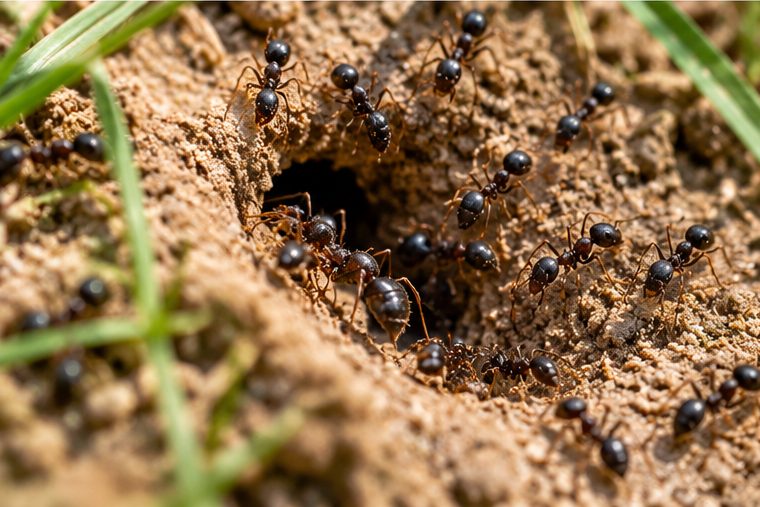
On the first visit we follow the trail back to its entry point, check the likely nest sites and confirm the species, because garden ants and the less common species found in warm buildings are handled differently. We then use targeted treatments along the trail and at the nest, which the workers carry back to the colony. You may see more ants for a short while as the colony reacts, and that is normal.
Sealing comes next. Across Basildon we see the same weak spots, so we point out the gaps around pipes, door thresholds, air bricks and cracked pointing where ants are getting in, and fill what can be filled. We will also tell you what to leave alone for a few days. Please do not spray shop-bought sprays across the trail, because that can scatter the ants and split one colony into several nests, which makes the job longer.
Ants follow food, so the most useful habits are the dull ones. Wipe worktops after meals, keep sugar, honey and cereal in sealed containers, rinse jam jars and juice bottles before they go in the recycling, and lift pet bowls once the pet has finished. Outside, keep the gaps between paving slabs clear of loose soil where you can. If you are in Basildon and a trail comes back, call us and we will look again at where it starts. We also cover Billericay and Wickford.
We cover towns and villages across Essex. Choose your area to see how ant control works locally.
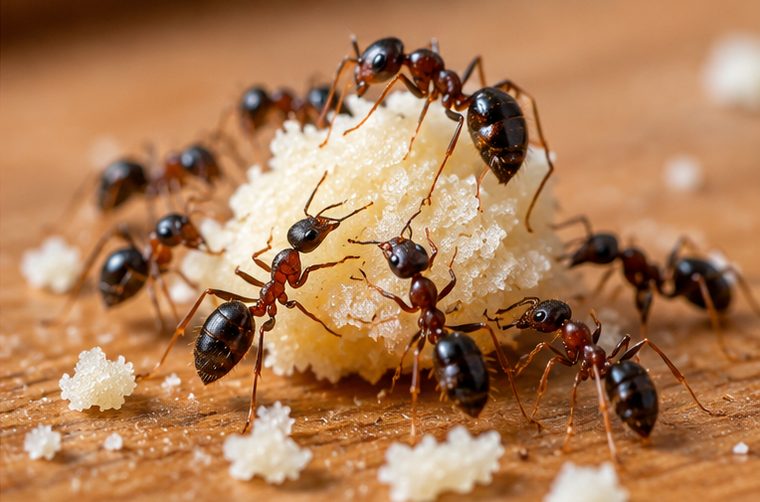
A line of ants across the worktop usually means a scout found food and told the nest, and a few simple habits can break that chain.
Read the guide →Flying ants are the winged males and young queens of an ant colony, and their sudden summer swarms are usually short lived and harmless.
Read the guide →
Most household pests leave clues behind, and learning to read droppings, damage, noises and timing will help you decide what you are dealing with and what to do next.
Read the guide →Quite possibly. In blocks of flats ants travel along pipework, cable runs and shared walls, so the nest can be in another unit or in the communal structure. We follow the trail to its entry point, tell you where it leads, and advise who needs to be involved if the nest is outside your own flat.
Flying ants are the winged males and new queens leaving a mature nest, usually on a warm, humid day in summer. They do not bite and the swarm passes within hours, but it tells you a nest is close by. If they come out of a wall or patio each year, the nest should be treated.
Normally not. A nest is a single location, and the aim is to find it and treat it directly, together with the trail. Spreading products across the whole garden is wasteful and does not reach the colony. We locate the nest first, then treat only what is needed and keep pets and children in mind.
Tell us what you have found and roughly where it is. We will come back to you — or call 01245 327 274 if it is urgent.
