
Pigeons settle quickly on the kind of buildings Basildon has plenty of: flat blocks with deep balconies, shop parapets in the central shopping area and the wide, sheltered frontages of industrial units. Once a flock finds a dry ledge it keeps coming back, and the droppings, feathers and nesting debris build up faster than most people expect.
We survey the building first, work out where the birds land, feed and nest, and then fit humane proofing that stops them using the spot. Nothing we do harms the birds. Homeowners, landlords, managing agents and business tenants across Basildon call us when a roost has become a daily nuisance.
 BPCA Member
 CHAS Accredited
 Buy With Confidence
 Three Best Rated 2026
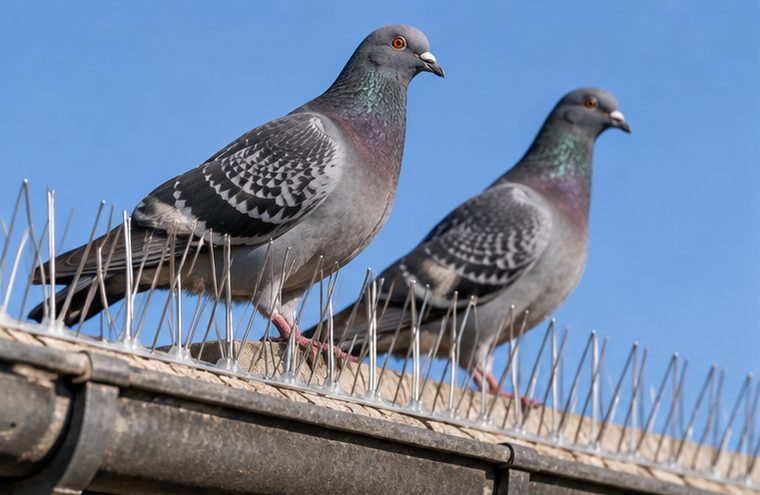
Basildon grew as a new town with large neighbourhood estates, and that means a lot of flats, communal walkways and balconies. Pigeons favour the sheltered corners of these blocks: the top of a stairwell, the underside of a canopy, a ledge above a door. The mess lands on walkways, cars and washing lines, and residents are usually the first to complain to the landlord.
Because several households share the space, a clear plan matters. We look at each landing spot, agree with the landlord or agent what needs covering, and use spikes on narrow ledges and netting across open recesses. Where droppings have built up we advise on cleaning before proofing goes on, because the area needs to be tidy and dry for fixings to hold.
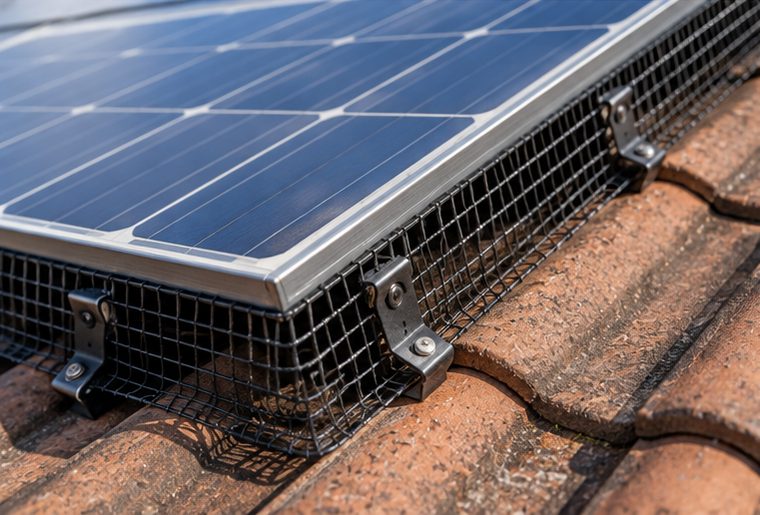
Around the central shopping area, pigeons use shop signs, fascia tops and the gaps behind them. They are drawn to the food scraps left near seating and bins, so a roost above a shop doorway often means customers walking through droppings. A neat strip of spikes or a discreet wire system along the sign usually deals with it without spoiling the look of the shop front.
Industrial units on the Basildon estates bring different problems: loading bays, roller shutter canopies and the steelwork inside large buildings. Birds roosting over stock or packing areas can cause real trouble for a business. Netting across open bay roofs and the underside of canopies keeps them out, and we plan the work so access for deliveries and staff carries on as normally as possible.
We visit, look at the roosting and nesting spots from the ground and from the roofline where it is safe to do so, and explain what we found. You then get a clear plan covering netting, spikes, gutter guards or solar panel mesh as needed. We cover the SS13 to SS16 area, and also work in Billericay and Wickford, so most Basildon addresses are easy for us to reach.
We cover towns and villages across Essex. Choose your area to see how pigeon proofing works locally.
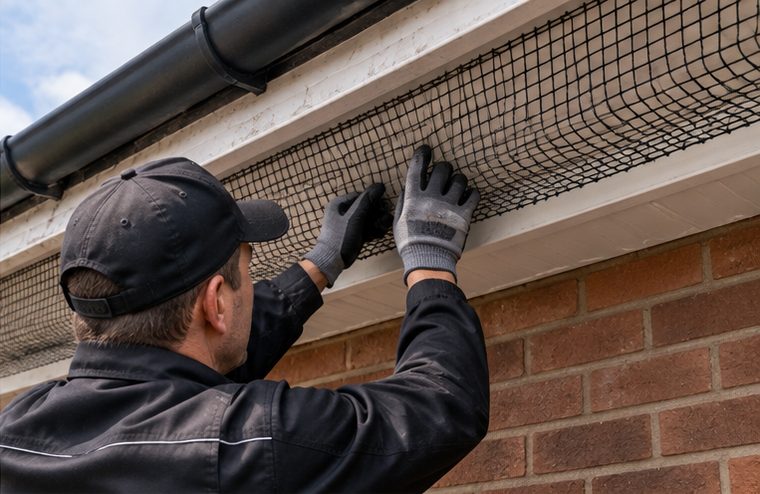
The warm, sheltered gap under rooftop solar panels is very attractive to pigeons, and the fouling and nesting material they leave behind can cause real problems.
Read the guide →Netting and spikes are the two main humane ways to keep pigeons off commercial buildings, and each suits different parts of a roof.
Read the guide →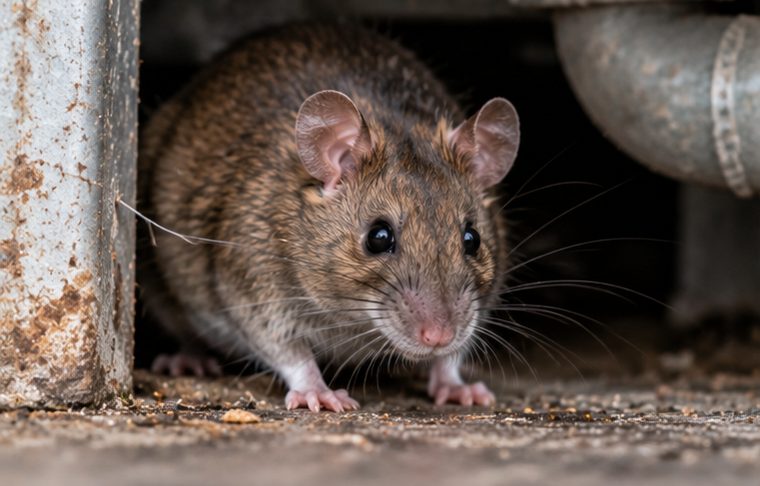
Most household pests leave clues behind, and learning to read droppings, damage, noises and timing will help you decide what you are dealing with and what to do next.
Read the guide →Usually yes, if the balcony is yours to alter or the landlord agrees. Spikes work on narrow rails and ledges, while netting suits larger recesses. We check the fixings surface and the neighbours' sight lines first, so the proofing does not become a new problem for the block.
We survey the bay and the roof structure to see how they get in and where they perch. Netting across openings and over girders is the usual answer, with spikes on ledges. We plan around deliveries so the unit can keep working during the job.
Droppings can spread germs, so we do not skip over them. If a ledge or roof is heavily soiled, we tell you at the survey whether cleaning is needed before proofing and discuss it with you. Fixings hold much better on a clean, dry surface.
Tell us what you have found and roughly where it is. We will come back to you — or call 01245 327 274 if it is urgent.