
Mice are a year-round visitor in Leigh-on-Sea, and the sound of them in a wall or loft is rarely a one-off. Our approach here runs through four stages: a proper inspection, traps and bait where safe, return visits to check progress, and then proofing so the same gaps are not used again.
We cover the SS9 area, from the old town by the water to the steeper residential streets above it. Homes, cafes, fish and seafood businesses and shops all call us in, and each gets a plan that fits how the building is used.
 BPCA Member
 CHAS Accredited
 Buy With Confidence
 Three Best Rated 2026
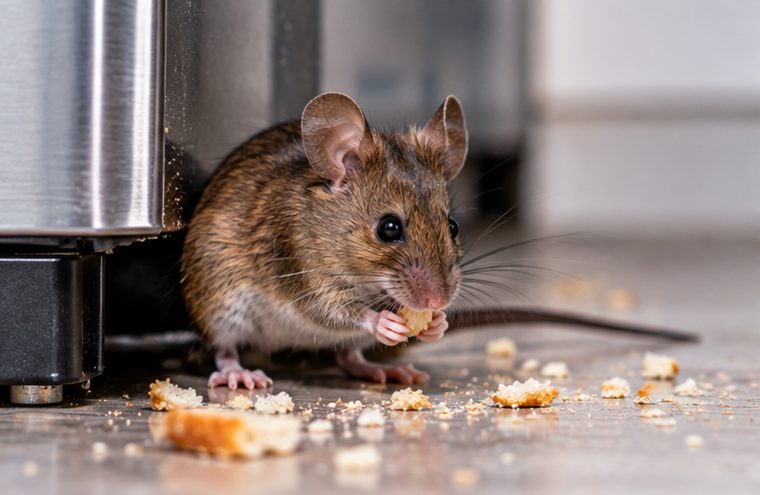
Leigh-on-Sea is an estuary town with an old town by the water and a mix of older and newer housing. Older buildings often have worn brickwork, gaps under floorboards and old pipe runs, all of which give mice an easy route in. On steep streets, sloping gardens and retaining walls can also hide the routes they use outside the house, especially where plants and stonework meet the wall.
During inspection we trace the signs: droppings along skirting, grease smears, shredded nesting material and gnawed packaging. We look inside and out, because the entry point is often a metre or two away from where you hear the noise. Everything we find goes into our notes, so the later visits have a clear starting point to work from, and you can see exactly why we placed each trap where we did.
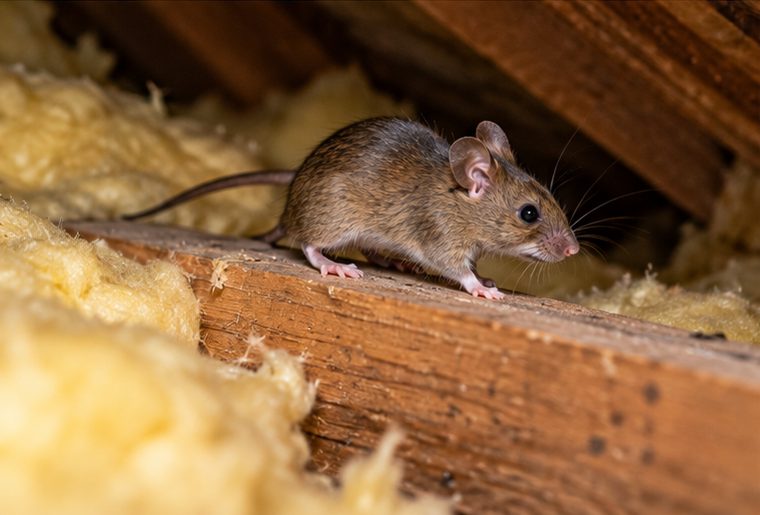
Cafes, takeaways and seafood premises are attractive to mice because food, warmth and shelter sit close together. In a commercial kitchen we pay close attention to storage rooms, behind equipment, drains and delivery areas, and we plan trap and bait placement around food preparation so that nothing is placed where it should not be, and so that staff can work around it without any fuss.
Repeat visits matter even more in a working kitchen. We check each point, record what has been caught, and tell you plainly if staff routines such as waste storage or stock rotation are helping mice. If you manage a premises, you will have written notes to show what has been done and what we recommend next, which is useful if an environmental health officer ever asks.
When the checks come back clear we move to proofing: sealing gaps round pipes, vents and doors, and suggesting simple habits such as sealed food storage and prompt waste removal. This is what makes a result last in Leigh-on-Sea. We also work in Southend-on-Sea, Canvey Island and Rochford if your property is close to the borough edge, or simply want the same programme at a second site.
We cover towns and villages across Essex. Choose your area to see how mouse control works locally.
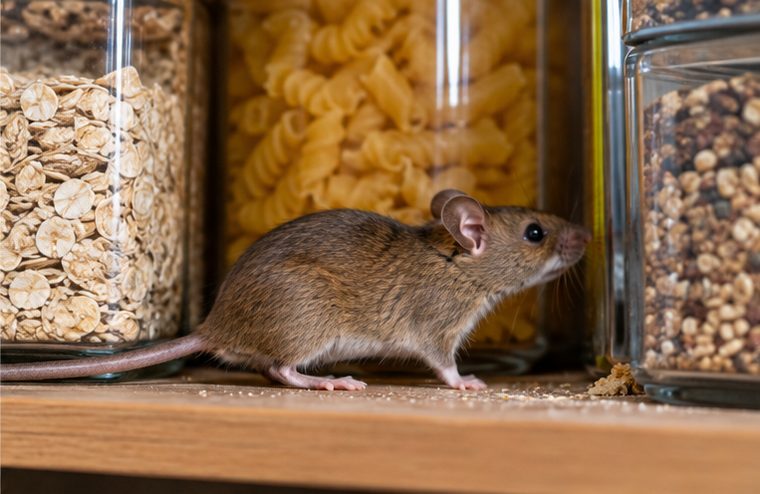
Mice are small, quiet and mostly active at night, so the evidence they leave behind is often the first thing you notice, long before you see one.
Read the guide →Mice only need a tiny gap to get inside, so stopping them means knowing where homes tend to be weak and tackling the entry points carefully.
Read the guide →
Most household pests leave clues behind, and learning to read droppings, damage, noises and timing will help you decide what you are dealing with and what to do next.
Read the guide →Older buildings with worn brickwork, gaps under floors and long-standing pipe runs do offer mice more ways in, so we see them often. That does not mean it is your fault. We find the routes, deal with the mice and seal what can be sealed.
It varies, but expect an initial inspection and treatment followed by several check visits over a number of weeks. In a food premises we keep a record of each one. We only finish when checks show no new activity.
No. In kitchens and food areas we plan placement carefully and use traps or sealed stations away from preparation surfaces. If bait is not suitable in a space, we use traps instead. We will explain the plan before we set anything down.
Tell us what you have found and roughly where it is. We will come back to you — or call 01245 327 274 if it is urgent.
