
Leigh-on-Sea has an old town by the water, steep streets and seafood businesses, and pigeons find a good deal to like about all three. Scraps near the waterfront, ledges on older buildings and sheltered corners on terraced rows give them food and somewhere to roost. Left alone, a few birds can quickly leave droppings across pavements and frontages.
We offer pigeon proofing in Leigh-on-Sea and across SS9. A survey always comes first, so we can see where birds land, nest and enter before suggesting a fix. The methods we use keep birds away without harming them, and they suit older buildings.
 BPCA Member
 CHAS Accredited
 Buy With Confidence
 Three Best Rated 2026
In Leigh-on-Sea, food businesses by the water attract pigeons, and they tend to settle on whatever sits above the doorway: signs, canopy tops, window heads and the tops of drainpipes. Droppings on the pavement outside a cafe or seafood shop put customers off and cost time to clean. We survey the frontage from the street and from above to see which spots the birds actually use.
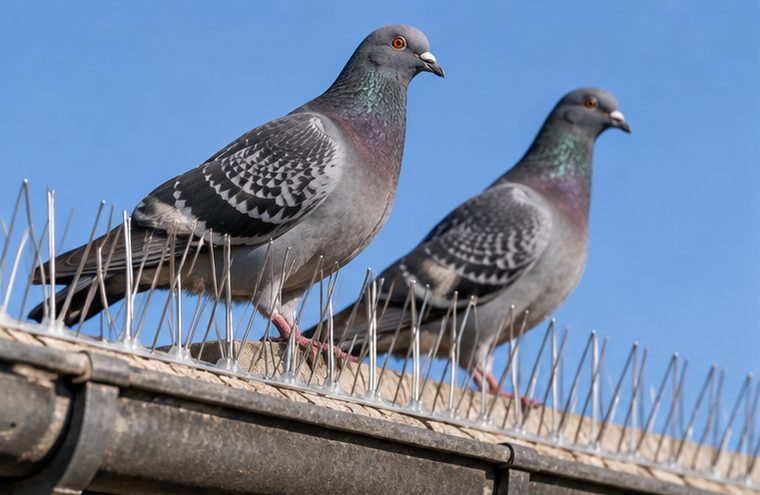
Then we fit spikes or a discreet wire system along the ledges and signs, and net over any recess where they have been nesting. Because many buildings in the old town have character, we keep fittings neat and match them to the stonework or paint where we can. Any build-up of droppings is cleared with the right protection first, because dried droppings can spread germs and should never be swept dry.
With steep streets and a mix of older and newer housing, Leigh-on-Sea homes have plenty of roof edges, valleys and chimney tops where pigeons settle. Nesting material gathers in gutters and can block them, sending rainwater down the wall. Birds in a roof void can also be noisy at dawn, which is often the first sign a householder notices. Chimney pots and flat roof edges on extensions are used in the same way.
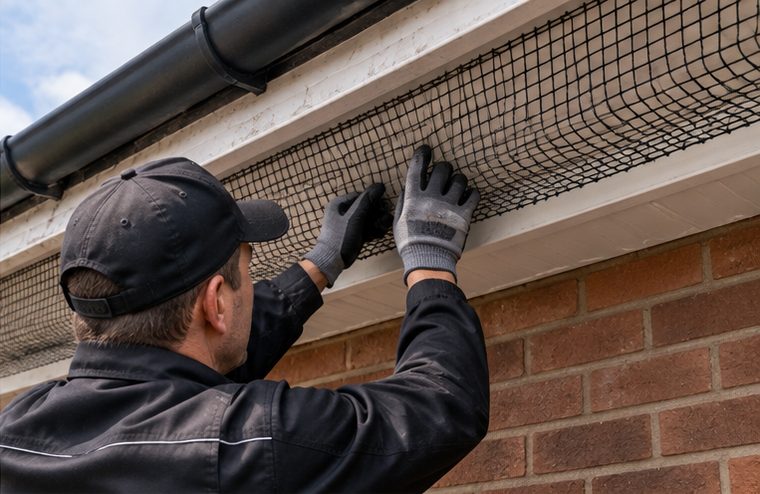
For homes we normally recommend gutter guards or sections of netting where the birds are getting in, together with spikes on ridges and chimney shoulders that they keep choosing. Where there is already a nest, we deal with the area carefully, clean up and then close the access. Access is arranged safely, with the right equipment for steep or tall properties, and we explain each step before we start.
Proofing lasts longer when the area is clean, because the smell of old droppings draws birds back. Our plan covers any clean-up, the proofing itself and simple advice, such as not leaving food out and keeping bins closed. We also cover Southend-on-Sea, Canvey Island and Rochford. If you can see where the birds sit in Leigh-on-Sea, tell us when you get in touch.
We cover towns and villages across Essex. Choose your area to see how pigeon proofing works locally.
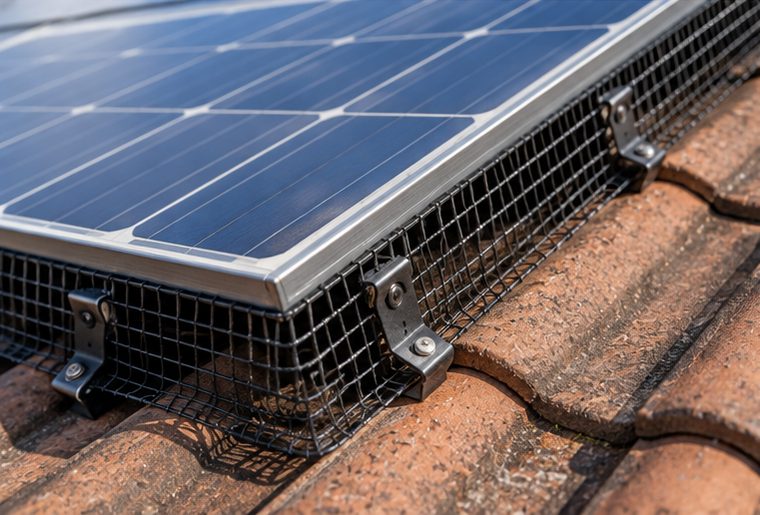
The warm, sheltered gap under rooftop solar panels is very attractive to pigeons, and the fouling and nesting material they leave behind can cause real problems.
Read the guide →Netting and spikes are the two main humane ways to keep pigeons off commercial buildings, and each suits different parts of a roof.
Read the guide →
Most household pests leave clues behind, and learning to read droppings, damage, noises and timing will help you decide what you are dealing with and what to do next.
Read the guide →Seafront areas offer dropped food, open bins and plenty of ledges on older buildings. Pigeons learn where easy food is and return daily. Proofing the ledges and keeping food waste covered both help move them on, and they work together.
Netting can be fitted tight and in a colour that blends with the surface, so it is barely visible from the street. We talk through the options on the survey and choose the least intrusive method that will still do the job.
Dry droppings can spread germs, so they should be cleared with care and never swept dry. We wear protection, remove the material safely and then fit gutter guards or netting so the build-up does not return to the gutter.
Tell us what you have found and roughly where it is. We will come back to you — or call 01245 327 274 if it is urgent.
