
In a dense seaside city like Southend-on-Sea, one property with mice can quickly become several. Our mouse control runs as a programme: we inspect to find where they live and enter, set traps and bait where it is safe, come back to monitor, and then seal the gaps so they stay out.
We cover the SS0 to SS3 postcodes, which take in flats, terraced streets, guest houses, takeaways and shops. The same steps apply everywhere, but how we carry them out depends heavily on whether you own the whole building or only part of it.
 BPCA Member
 CHAS Accredited
 Buy With Confidence
 Three Best Rated 2026
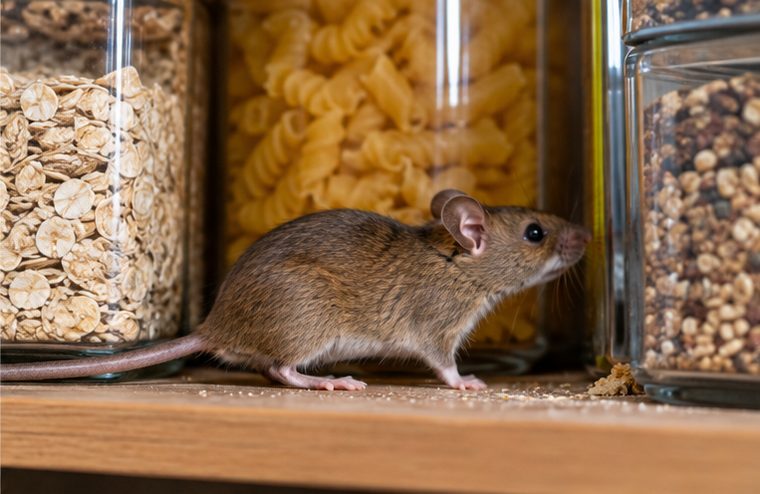
Southend-on-Sea has many flats and dense residential streets, and in a shared building mice can use walls, risers, floor voids and roof spaces to travel between homes. That means treating one flat alone may not be enough. We check neighbouring areas where access is possible, and tell you plainly where the wider building may need attention from a landlord or managing agent.
Inside a flat, we look at the kitchen, utility cupboard, behind white goods and along pipe runs, where droppings, gnaw marks and smears usually show. We note every possible way in and write down what we find, so that the conversation with a landlord, freeholder or neighbour has some evidence behind it rather than just a guess about where the mice started.
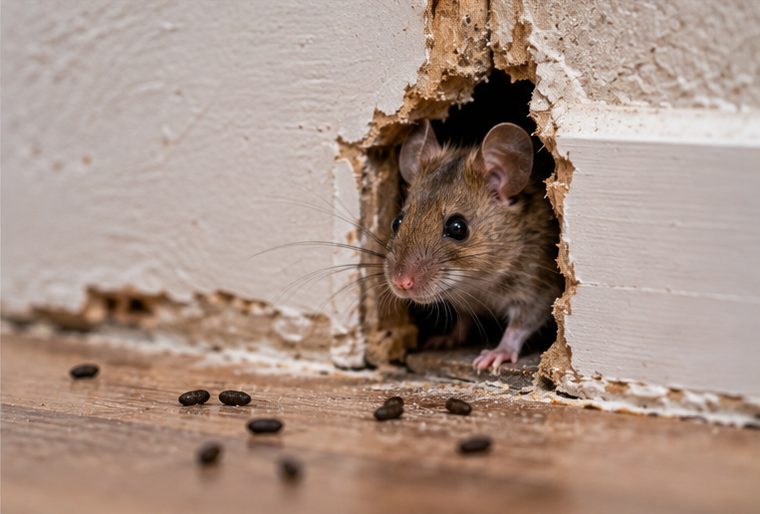
In Southend-on-Sea, takeaways and guest houses combine food, warmth and plenty of deliveries, so they suit mice well. We pay close attention to stores, back doors, bin areas, kitchen equipment and any cupboards where dry goods are kept. Trap and bait positions are planned so that nothing is near food preparation, and so staff and guests are not put at risk at any point during the treatment.
Repeat checks are important here because the premises are busy and signs can be missed. We return at regular intervals, record catches and fresh activity, and tell you what could be changed in daily routines, such as how rubbish is stored or when deliveries are put away. Written notes are available if you need them for your own records or for a manager who is not on site.
Proofing is the final stage, and it is what keeps the result from slipping. We seal gaps round pipes, vents and doors where we can, and suggest simple habits for food storage and waste. If you are on the border of the city, we also cover Leigh-on-Sea, Rochford and Canvey Island, and can include them in the same visit plan if you manage more than one site.
We cover towns and villages across Essex. Choose your area to see how mouse control works locally.
Mice are small, quiet and mostly active at night, so the evidence they leave behind is often the first thing you notice, long before you see one.
Read the guide →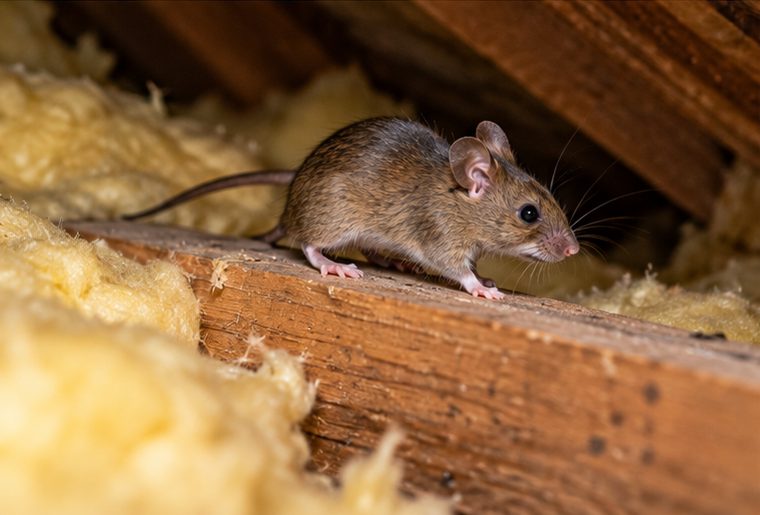
Mice only need a tiny gap to get inside, so stopping them means knowing where homes tend to be weak and tackling the entry points carefully.
Read the guide →
Most household pests leave clues behind, and learning to read droppings, damage, noises and timing will help you decide what you are dealing with and what to do next.
Read the guide →It is possible. In shared buildings, mice can move through walls, floor voids and service risers. We can inspect your flat, find any entry points and seal them, but if the source is next door, a landlord or agent may need to arrange treatment there as well.
We will try hard to arrange visits at a time that suits your premises, and plan the work so it does not interfere with food preparation. Tell us when you are quietest and we will agree a sensible slot when we book.
No. In rooms where guests stay we avoid loose bait and rely on traps placed in enclosed, out-of-reach spots, or we work in service areas and voids instead. We will talk through the plan with you before anything is set down.
Tell us what you have found and roughly where it is. We will come back to you — or call 01245 327 274 if it is urgent.
