
Southend-on-Sea is a seaside city with a long seafront and pier, many flats, guest houses and takeaways, and dense residential streets. We provide moth control here for residents, landlords and businesses, and we start by identifying the moth, because wardrobe moths and kitchen moths are separate problems with separate cures.
Moths spread quietly through shared buildings, so a prompt, accurate inspection matters. We tell you what we see, where it came from if we can tell, and what treatment makes sense for your flat, house or business, without any pressure to book more than is needed.
 BPCA Member
 CHAS Accredited
 Buy With Confidence
 Three Best Rated 2026
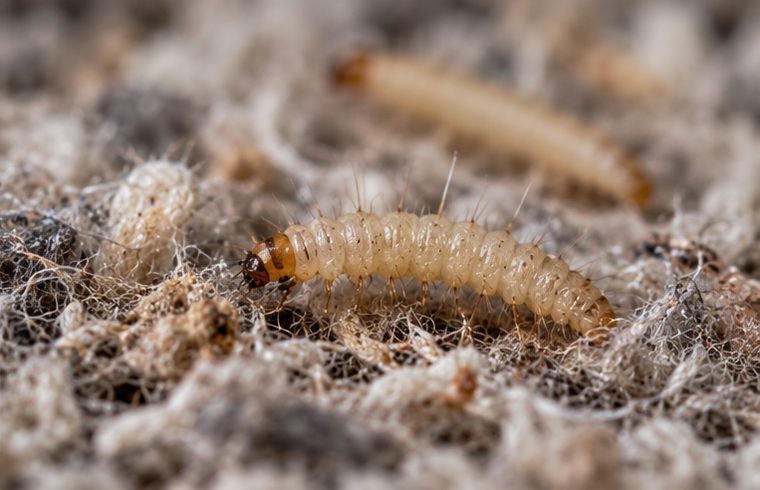
In a flat, the first sign is usually small: a moth in the bedroom, a missing thread in a wool blanket, a bare patch behind the sofa. Moths can travel between rooms, and sometimes between neighbouring properties, through gaps in floors, ducts and shared loft spaces. That does not mean the neighbour is to blame, but it does mean tackling only one room may not be enough.
We inspect wardrobes, carpets, rugs, soft furnishings and stored textiles for webbing, cases, larvae and droppings. In dense Southend-on-Sea streets we also ask about second-hand furniture, charity-shop clothing and recent deliveries, because that is a common way for moths to arrive. Finding the true source is what stops the problem recurring, and it often saves needless treatment, because we treat only where moths are really living.
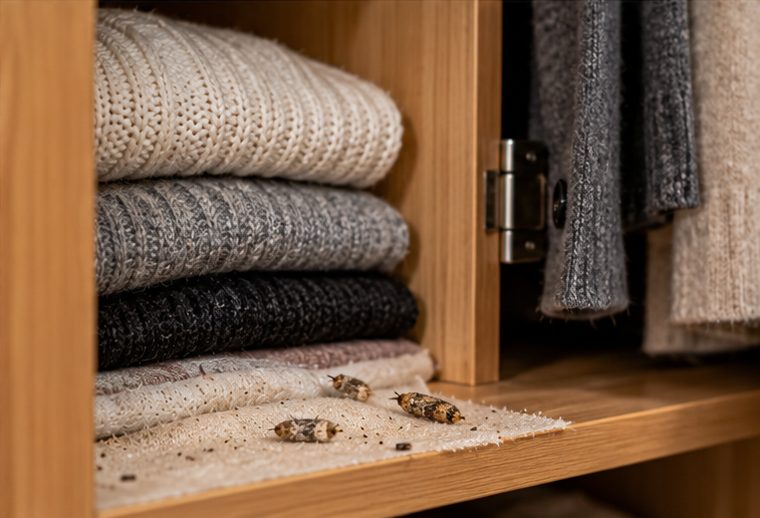
Guest houses and lets with heavy curtains, thick carpets, soft furnishings and spare bedding provide plenty of moth food, and rooms that stand empty between guests give larvae time to feed. A single complaint about holes or flying insects needs a quick, discreet look. We work around your bookings where we can, and keep the explanation simple so staff know what to check.
Treatment is targeted to the infested rooms, furniture and carpet edges, using professional products applied with care around bedding, food and guests. We then set pheromone traps to monitor results, and agree a routine of vacuuming, laundry and sealed storage. Southend-on-Sea properties with regular turnover benefit from simple checks between stays, and we are happy to talk you through them, room by room, so the routine stays quick and realistic for busy staff.
Takeaways, cafes and shops that hold dry goods such as flour, rice, spices, seeds and dried fruit can attract pantry moths. We look at storage, packaging and stock rotation, then treat as needed and explain what to throw away. In Southend-on-Sea we work across SS0 to SS3 and also cover Leigh-on-Sea and Rochford, for both food businesses and ordinary homes.
We cover towns and villages across Essex. Choose your area to see how moth control works locally.
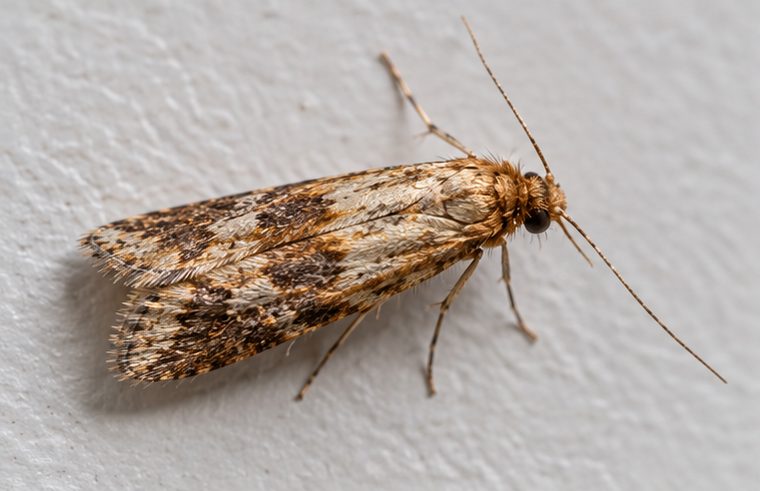
Clothes moths damage natural fabrics quietly, so by the time holes appear the problem has often been developing for weeks in a dark, undisturbed corner.
Read the guide →Moth larvae thrive on natural fibres left in dark, still places, so protecting wool and carpets comes down to cleanliness, airflow and sensible storage.
Read the guide →
Most household pests leave clues behind, and learning to read droppings, damage, noises and timing will help you decide what you are dealing with and what to do next.
Read the guide →They can move through shared voids, ducts and lofts, and also arrive on belongings. Often each flat has its own source, but if several neighbours see them it is sensible to check shared storage areas. We inspect your flat and explain what we find.
Moth larvae damage fabrics rather than people, but visible holes, webbing or flying moths in a room will upset guests. A quick inspection and treatment of the affected rooms, plus good housekeeping, usually deals with it before it becomes a complaint.
Pantry moths turn up in kitchens and food storage, with webbing inside dry-food packets, while clothes moths are small buff insects found around wardrobes and woollens. Where you see them is a strong clue, and we can confirm the type on a visit.
Tell us what you have found and roughly where it is. We will come back to you — or call 01245 327 274 if it is urgent.
