
A wasp nest starts the size of a walnut in spring and, by late summer, can hold thousands of insects. Many people only notice one once wasps are flying steadily in and out of a small gap. We deal with nests in homes, gardens and commercial buildings across Essex, treating them safely so you can use your space again.
Our technicians travel from our base near Chelmsford. We look at where the nest is, how easy it is to reach, and the safest way to treat it. Until we arrive, please keep your distance, keep children and pets away, and leave the nest completely alone.
Found a wasp nest at your home or business? We treat wasp nests across Essex for £90 fixed cost.
Wasps commonly build nests around roof spaces, eaves, sheds, garages and other sheltered spots. Rather than disturbing a nest yourself, speak to our pest-control team.
Book a wasp nest treatment → BPCA Member
 CHAS Accredited
 Buy With Confidence
 Three Best Rated 2026
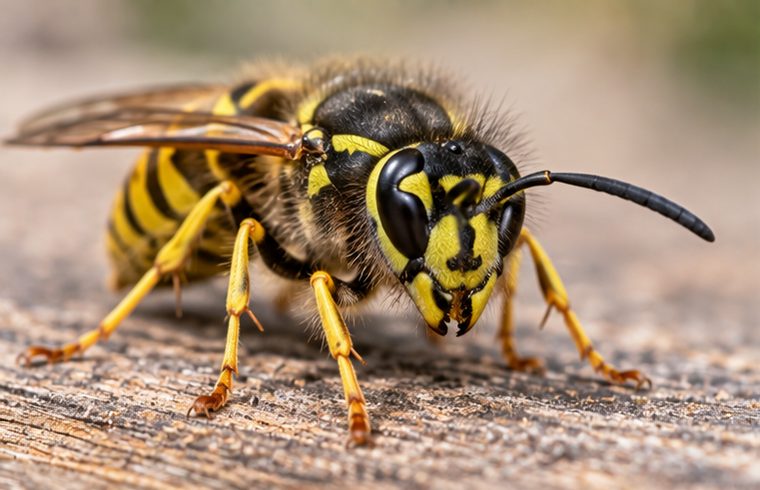
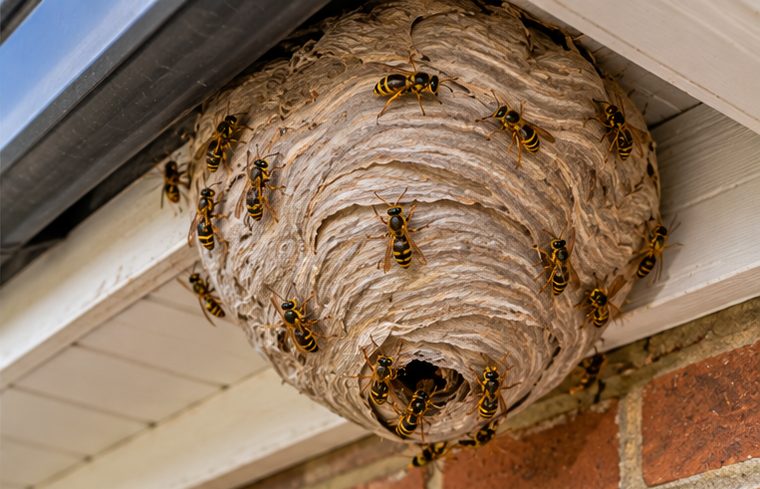
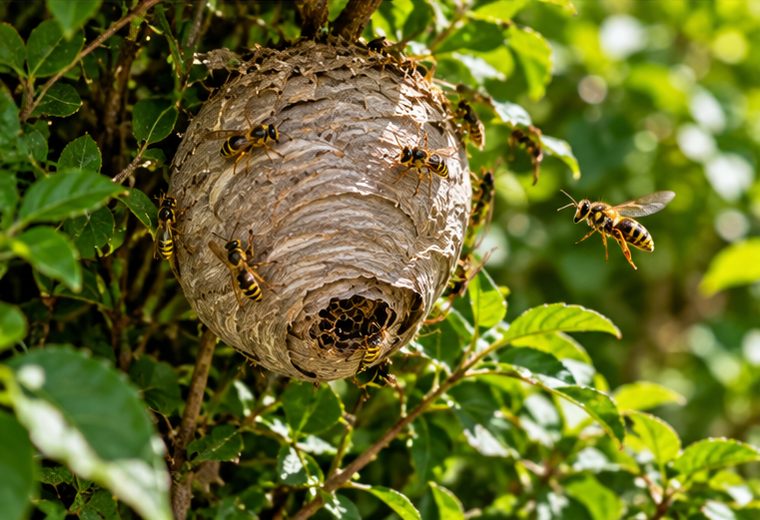
Wasps like sheltered, quiet places. We regularly find nests in lofts, under eaves and soffits, inside wall cavities, in sheds and garages, within hedges, bushes and trees, and in chimneys, air bricks and ducting. The giveaway is a steady line of wasps flying to and from one small opening, especially on warm, still days. Early in the season a nest can be small and easy to miss, tucked inside a void where you never look, so a few wasps in spring is worth noting.
Other signs include a faint papery rustle from a wall or ceiling, chewed wood fibres on a fence or shed, and a grey papery shape visible through a gap. A nest that seemed tiny in June can be a very busy colony by August. If you see heavy traffic at one spot, treat it as a nest and call us. Wasps seen inside the house near a ceiling or window may also mean the nest is close, perhaps in the loft or a wall.
Disturbing a nest makes the whole colony defensive, and stings can come in large numbers. Spraying from a distance often fails to reach the centre, and blocking the entrance can push wasps into the house through light fittings, vents or cracks. Poking at a nest from a ladder is especially risky, because a fall adds to the danger. Home remedies and shop-bought sprays can leave the colony alive and angry. Ladders, narrow loft hatches and stings together make a poor mix.
Please stay away, keep children and pets indoors or well clear, and close nearby windows if you can. Late in summer the workers become more irritable and go looking for sugary food and drink, so they tend to be more of a nuisance around bins, picnics and open cans just when the nest is at its largest. Leave the treatment to someone trained and equipped for it. If someone is stung and feels unwell, seek medical help straight away.
Our technician inspects the nest, works out the safest access and treats it with a professional product, so the colony dies back over the following days. You may still see a few wasps coming and going for a while, which is normal as the remaining insects return and the nest slowly goes quiet. Once the nest has been treated, we explain what to expect and what to do if anything changes. Ask us anything you are unsure about.
We can advise on removing the old nest once it is inactive, and on stopping a new one forming nearby, for example by sealing gaps in soffits, fascias and air bricks. Essex homes range from older houses with plenty of voids to newer estates with sheltered eaves, and landlords, holiday lets and businesses use the service as well. You will be told what to expect before we start. Tell us how the building is used, and whether anyone is allergic to stings, so we can plan the visit sensibly.
We cover towns and villages across Essex. Choose your area to see how wasp nest removal works locally.
A single wasp is usually just passing through, but a steady stream flying to and from one spot is the clearest sign that a nest is close by.
Read the guide →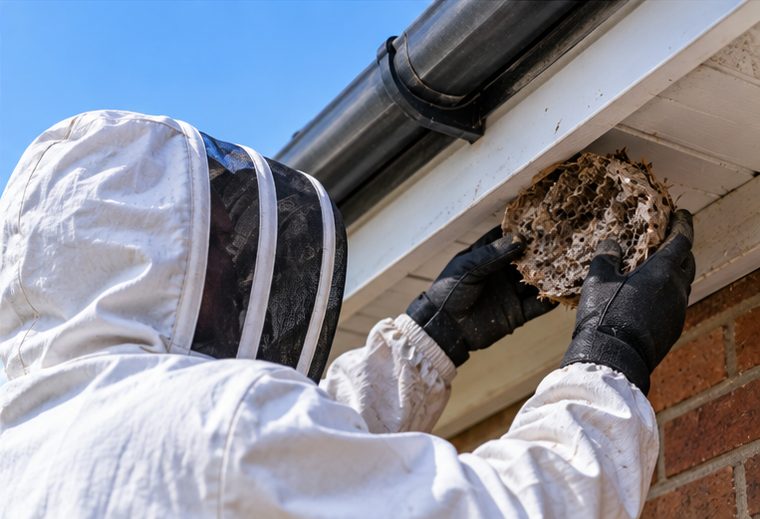
It is tempting to deal with a wasp nest yourself, but stings, falls and a more aggressive colony make it one of the jobs most worth leaving to a professional.
Read the guide →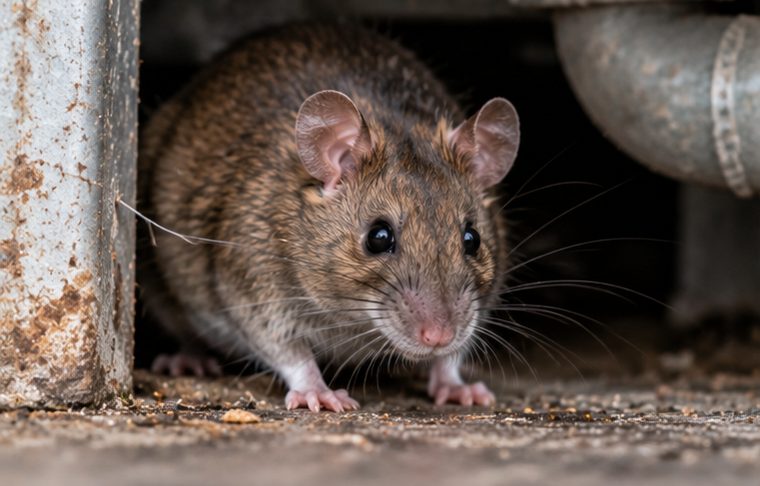
Most household pests leave clues behind, and learning to read droppings, damage, noises and timing will help you decide what you are dealing with and what to do next.
Read the guide →No. Knocking, poking or spraying a nest can provoke the wasps and lead to many stings at once. Blocking the entrance can also send them into your home. Keep well away, keep children and pets clear, and let a technician treat it safely.
After treatment the colony dies back over the next few days. You may notice some wasps for a short time as returning workers meet the treated nest. If activity carries on well beyond that, let us know and we will advise on what to do next.
Once a nest is inactive it can usually be taken down, and we can advise on doing this or arrange it where access allows. Old nests are not reused, but removing one helps you check the gap is sealed so no new colony starts there.
A queen will not reuse an old nest, but she may choose the same sheltered spot. We advise on sealing gaps in roof edges, soffits and air bricks and on clearing clutter in sheds and garages, which makes your property a poorer choice.
Tell us what you have found and roughly where it is. We will come back to you — or call 01245 327 274 if it is urgent.