
Living on Canvey Island means damp air, wind and plenty of closely packed homes, and mice take advantage of all three. They look for dry shelter and an easy meal, and a bungalow with a warm roof space and a well-stocked kitchen can suit them perfectly. We deal with the whole problem, from the first inspection to the last monitoring visit.
Canvey is low-lying, with a seafront, a lot of bungalows, dense housing and creeks and marsh around the edge. In SS8 that mix gives mice routes from open ground into gardens, and from garden to house. Our programme tackles both the mice already inside and the ways they get in.
 BPCA Member
 CHAS Accredited
 Buy With Confidence
 Three Best Rated 2026
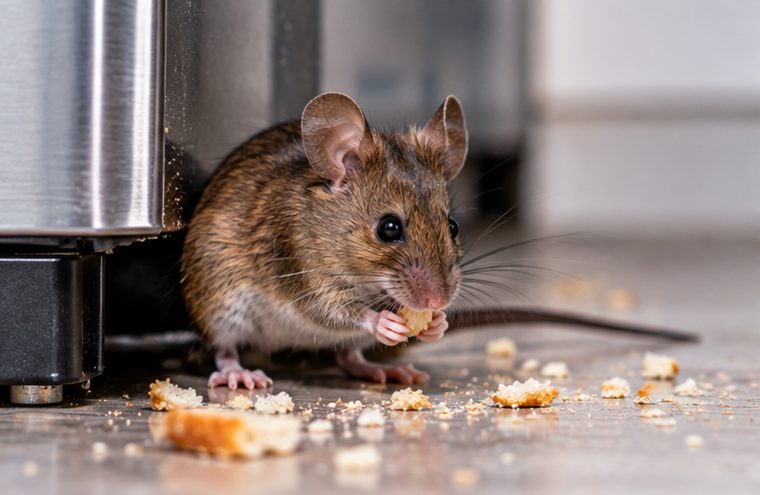
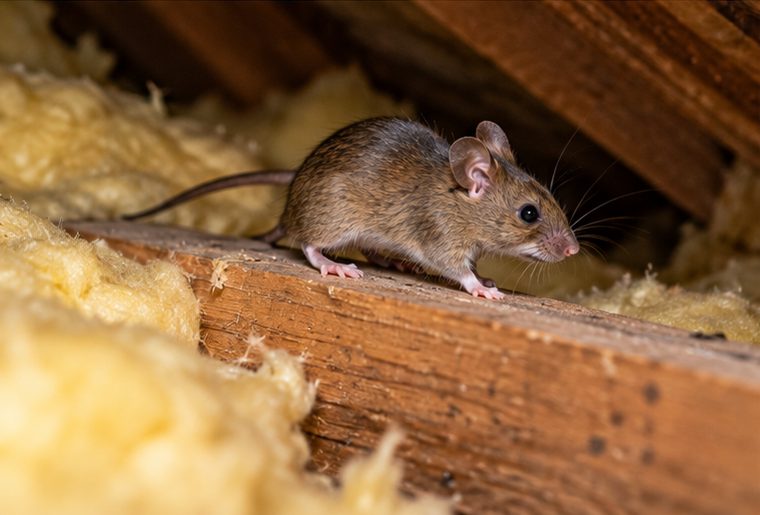
On Canvey Island a bungalow has a large roof space for its size and often has little between loft and living area, so noise at night carries easily. We check the roof void, the eaves and the gaps where cables and pipes pass through ceilings. Droppings in the airing cupboard or along the top of kitchen units can also show mice have travelled across the house from above.
Under the floor is the other usual route, especially in older Canvey properties where airbricks have been damaged or blocked up with the wrong material. We look at the airbricks, the base of the walls, the garage door and anywhere a drain or service pipe comes through. Once we know the entry points, we know where the traps and bait stations should go.
On the first visit we set snap traps along the runs and add sealed bait stations where this can be done safely. With closely packed housing on the island, we think about neighbouring gardens and keep bait away from anywhere cats, dogs or foxes might reach. Every position is noted so it can be checked later, and we explain what each station is for so the whole household knows to leave it alone.
We then return across Canvey Island over several weeks to inspect each trap, record catches and adjust where needed. Early visits tend to show the most activity, and numbers should drop as the weeks go on. We keep going until there are no new droppings or gnaw marks, and then we move on to proofing. Honestly, mice in dense housing can need a little more patience than in a detached house.
Proofing for a Canvey Island home comes last, once the mice have gone. We fill holes round pipes, put mesh over airbricks and vents, and seal gaps at doors and the base of walls. Outside, keep bins closed, clear compost and seed from the ground and tidy sheds. We also cover Leigh-on-Sea and Southend-on-Sea, and the same steps help properties across the estuary.
We cover towns and villages across Essex. Choose your area to see how mouse control works locally.
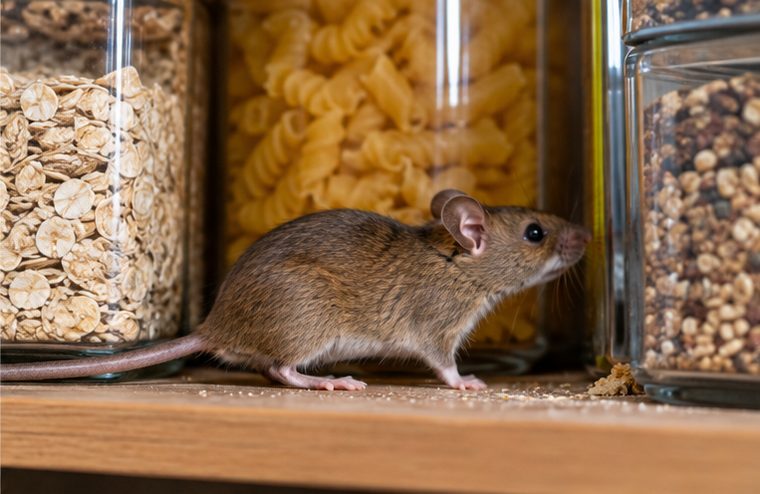
Mice are small, quiet and mostly active at night, so the evidence they leave behind is often the first thing you notice, long before you see one.
Read the guide →Mice only need a tiny gap to get inside, so stopping them means knowing where homes tend to be weak and tackling the entry points carefully.
Read the guide →
Most household pests leave clues behind, and learning to read droppings, damage, noises and timing will help you decide what you are dealing with and what to do next.
Read the guide →Mice live in many kinds of open ground, including rough grass and gardens, and they will move into buildings that offer warmth and food. Properties near the creeks and edges of the island can see more activity, but mice also travel between houses in the middle of town.
It could be mice, rats or occasionally squirrels. Light, quick scratching at night often suggests mice, while heavy thumping is more likely a larger animal. We inspect the roof space, look for droppings and gnawing and tell you what is up there before we plan anything.
Close the entry points, keep dry food in sealed tubs and avoid leaving pet food out overnight. Fit a brush strip to doors and mesh to vents. We do the proofing for you, and the follow-up visits confirm that the work has held.
Tell us what you have found and roughly where it is. We will come back to you — or call 01245 327 274 if it is urgent.
