
Canvey Island is low and flat, with bungalows and dense streets, and many gardens here are small and lovingly kept. When molehills appear on a Canvey lawn the effect is out of proportion to the animal, because a compact patch of grass can be ruined by just one mole digging runs from edge to edge.
We confirm that a mole is responsible, find the tunnels it relies on and trap there with regular checks. Moles remain below ground and never come into homes. Our visits are about stopping the digging and giving you clear advice on mending the turf.
 BPCA Member
 CHAS Accredited
 Buy With Confidence
 Three Best Rated 2026

Canvey Island has creeks and marsh around its edges, and the ground can be damp for much of the year. Moles do well in soft, moist soil, and open green land by the water gives them room to travel. A garden near that fringe may therefore see more activity than you would expect in such a built-up place, and the first sign is often a single fresh heap.
In small bungalow gardens the signs are usually easy to see. Fresh, crumbly soil stands out against short grass, and ridges of raised turf show where the tunnel runs. Because the plots are tight, a single mole can undermine the entire lawn, and it may also push up soil in flower beds, around shrubs and along the edges of paths and patios.
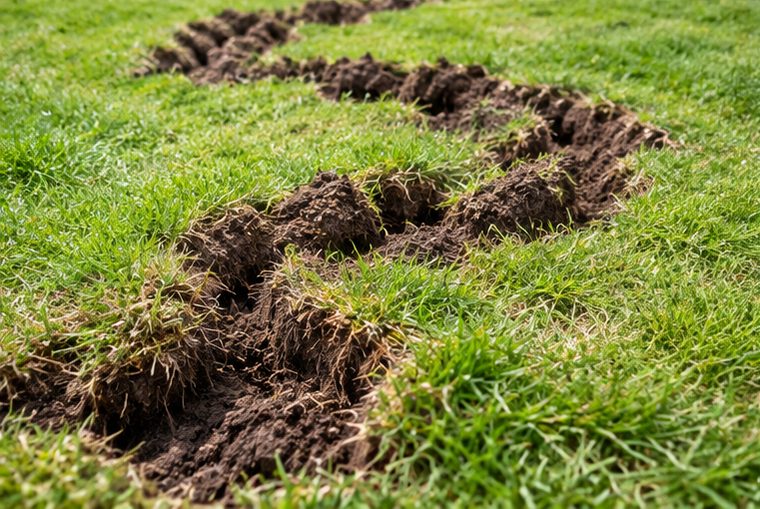
On a small Canvey Island plot we do not need to cover much ground, but we still take care to find the real main run. That is the long, firm tunnel the mole uses over and over, rather than the short loose branches that appear after feeding. A trap set in the right place does the job, and one in the wrong place does not.
We check the traps on a regular schedule and tell you what we find each time. Most single-mole cases in compact gardens are settled in a short run of visits. We make no promise that another animal will never arrive from open land nearby, but if one does, you will recognise the signs and can contact us again straight away for help.
Once the moles have gone from your Canvey Island garden, flatten the heaps with a rake and use the soil to fill hollows. Press down any sunken tunnels, then reseed bare patches in mild weather. In damp island soil, lawns can recover well if the turf is firm and the roots are in contact with the ground. We also cover Leigh-on-Sea, Basildon and Southend-on-Sea, close to SS8.
We cover towns and villages across Essex. Choose your area to see how garden mole removal works locally.
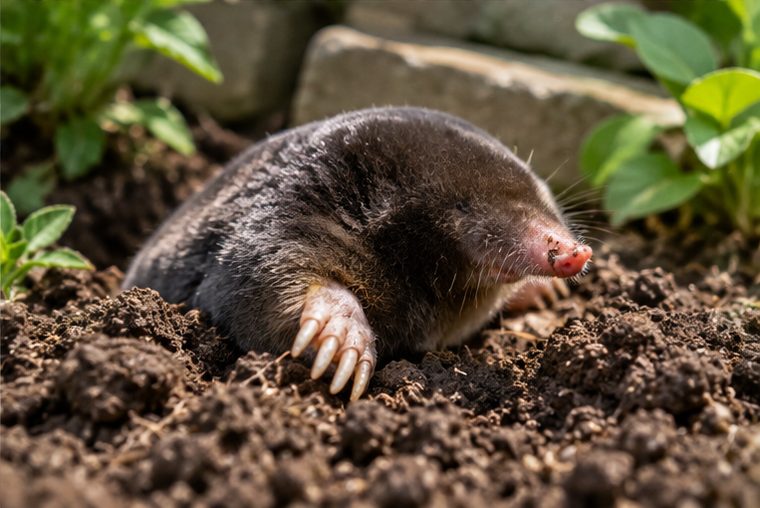
Fresh mounds of loose soil are the classic sign of a mole, but a few other things can look similar, so it pays to check properly.
Read the guide →If new molehills keep appearing after you have cleared the old ones, the cause is usually food, soft soil and a tunnel network that never really goes away.
Read the guide →
Most household pests leave clues behind, and learning to read droppings, damage, noises and timing will help you decide what you are dealing with and what to do next.
Read the guide →Yes. Moles are happy in soft, moist soil so long as it is not waterlogged for long periods. Gardens near open green land can see activity, though tunnels may be shallower when the ground is very wet, and they dig deeper in dry spells.
One fresh heap may mean one mole, and in a small bungalow garden that is enough to wreck the lawn. If the soil is fresh and loose, it is worth getting it checked before the runs spread under the whole plot.
Possibly. Worms, ants and small burrowing animals can leave marks that look alike. We look at the shape of the heaps and ridges and tell you honestly what is responsible, before any traps are set in your garden.
Tell us what you have found and roughly where it is. We will come back to you — or call 01245 327 274 if it is urgent.
