Canvey Island is full of bungalows and densely packed housing, where wardrobes, built-in cupboards and fitted carpets often sit close together in one level of living space. That makes moth problems easy to spread from room to room. We offer moth control on Canvey Island that starts by identifying whether you have clothes moths, carpet moths or pantry moths.
From there we inspect the property, treat the affected areas in a targeted way and give clear advice on laundering and storage, so you can protect your belongings and keep an eye out for any early signs of a return after we have gone.
 BPCA Member
 CHAS Accredited
 Buy With Confidence
 Three Best Rated 2026
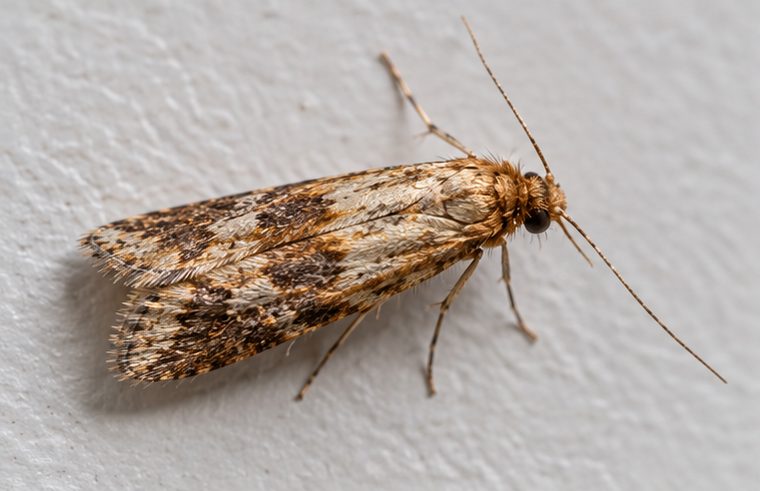
In a Canvey Island bungalow, everything is on one floor: bedroom wardrobes, a lounge carpet, a spare room full of stored bedding and often a loft above. Larvae feed on wool, silk, fur, felt and carpet fibre, so any of these can become a food source. They like undisturbed, dark places and often start at the back of a wardrobe or under a bed, where damage can go unnoticed for weeks.
Moths will also move along skirting boards and under furniture, so a problem found in one room can easily be present in the next. The adult moths are small and buff coloured and shun the light, which is why many people only notice the holes. On Canvey we look for webbing, cases and larvae in every room to find the real extent of the activity before treating.
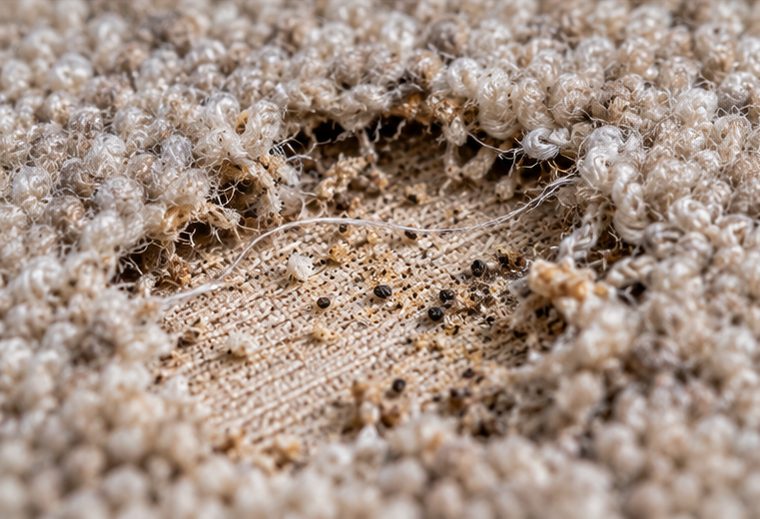
Canvey Island has a seafront and a good number of homes that are only used part of the year. A property left shut up through the winter, with bedding, curtains and rugs undisturbed, is an inviting place for moths to settle. Landlords and owners returning in spring sometimes find damage that has been building for months, often in curtains, throws and the carpet under the bed.
We inspect the whole property, treat the problem areas and suggest how to prepare a home for periods of absence: wash and seal textiles, vacuum carpet edges and leave pheromone traps to monitor. Pantry moths are common too in kitchens that have been left with dry food in the cupboards, and we deal with those as well, including advice on clearing out affected packets.
We cover all of Canvey Island and the SS8 postcode area, from the seafront streets to the quieter roads near the creeks and marsh edge. We also work in Leigh-on-Sea, Basildon and Southend-on-Sea. If you are unsure whether the damage is moths or something else, describe what you can see and we will help work out the cause.
We cover towns and villages across Essex. Choose your area to see how moth control works locally.
Clothes moths damage natural fabrics quietly, so by the time holes appear the problem has often been developing for weeks in a dark, undisturbed corner.
Read the guide →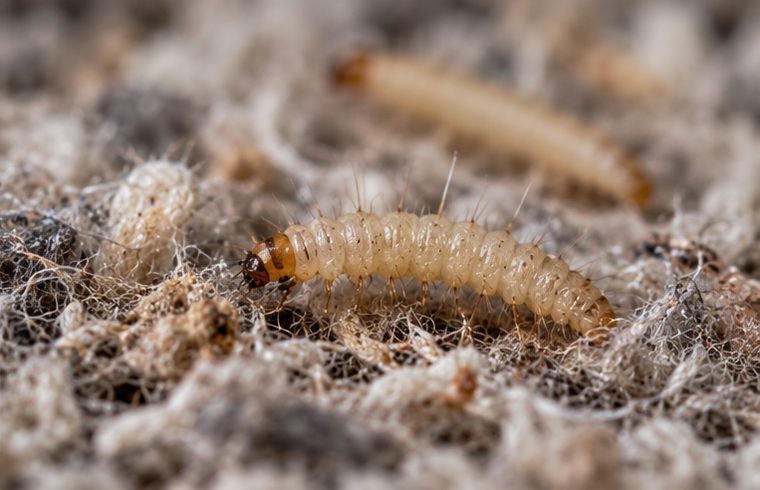
Moth larvae thrive on natural fibres left in dark, still places, so protecting wool and carpets comes down to cleanliness, airflow and sensible storage.
Read the guide →
Most household pests leave clues behind, and learning to read droppings, damage, noises and timing will help you decide what you are dealing with and what to do next.
Read the guide →Moths are mostly interested in food, meaning natural fibres, rather than damp, but clutter, poor airflow and undisturbed storage all help them. Keeping wardrobes ventilated and clothes clean and sealed makes a property less attractive to them, whatever the location may be.
Wash and rotate throws, curtains and spare bedding, vacuum carpet edges and under furniture regularly, and check wardrobes between guests. If you find holes or webbing, call us for an inspection and treatment before it spreads to other rooms or into the next guest's luggage.
Usually not. Moths in food cupboards are often pantry moths, which feed on flour, cereals, rice and pet food. We identify them, find the infested packets, and explain how to clear, bin and clean the whole cupboard properly afterwards.
Tell us what you have found and roughly where it is. We will come back to you — or call 01245 327 274 if it is urgent.
