
Epping sits on the edge of Epping Forest, and the town's older high street and period properties give way quickly to woodland and open land. Gardens here that back onto green space can be reached by moles with little difficulty, and lawns with old turf and rich soil are an easy meal for them.
We check that the heaps and ridges really are from a mole, work out the main tunnels and trap there with regular visits. Moles never come into homes or outbuildings. We keep the work tidy and give you honest advice about what to expect on your lawn.
 BPCA Member
 CHAS Accredited
 Buy With Confidence
 Three Best Rated 2026
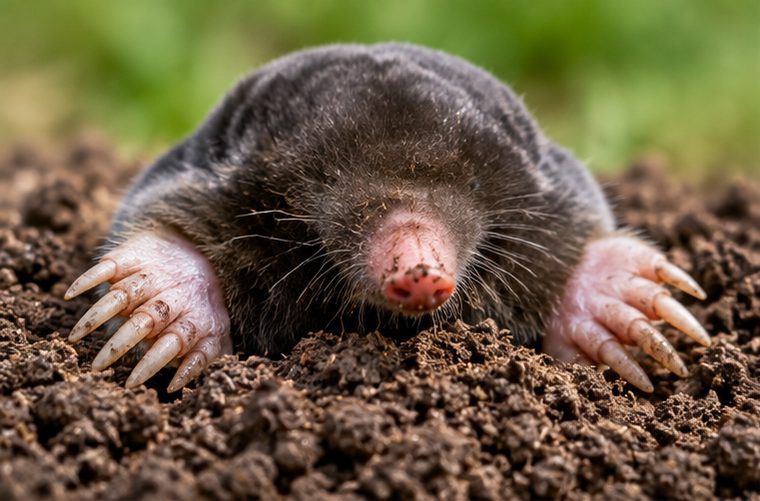
Gardens beside woodland or fields give moles a way in from outside, and Epping has plenty of them. Many of the houses are older, with long-standing lawns, borders and mature planting, and the soil beneath is often deep, damp and full of worms. For a mole looking for an easy meal, that is about as good as it gets, and it may settle for a long time.
In CM16 the first sign is usually a scattering of fresh hills near a boundary hedge or fence, followed by lifted ridges across the grass. Some owners also notice bulbs and young plants collapsing where a tunnel has passed beneath them. Because the roots are disturbed, plants may wilt even though the surface of the garden still looks healthy and the grass is green.
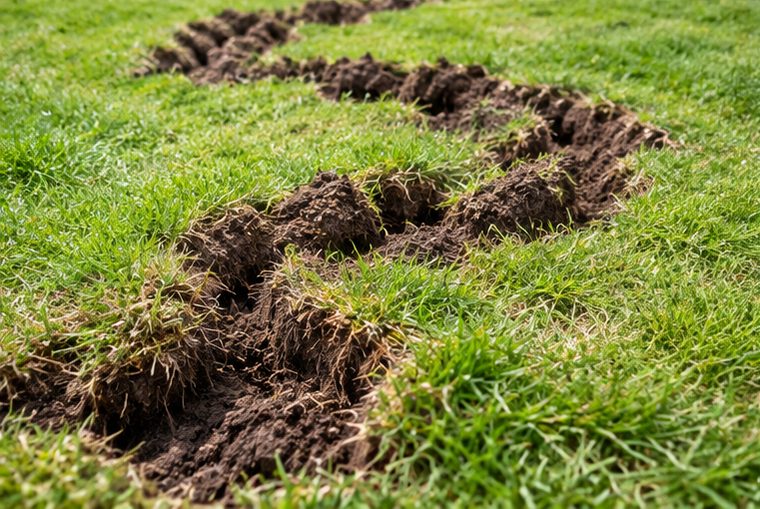
We start with a slow walk of the garden, looking at how fresh the soil is and where the ridges lead. From that we identify the main runs, which are the tunnels used repeatedly, and set traps there. We keep the disturbance to your lawn and borders as small as we can, which matters in carefully kept period gardens with delicate planting.
Afterwards we return to check the traps at regular intervals and keep you informed. In Epping, where the ground beside a forest can send in fresh animals, we are open about the fact that no one can promise moles will never come back. What we can do is stop the current damage and show you what to watch for in future seasons, such as new hills near the boundary.
When the animal is gone, rake the hills flat and use the soil to fill gaps in the lawn. Press down any collapsed tunnels, lift and replant bulbs that have been disturbed, and sow seed over bare patches. A neat, level lawn in Epping also makes new activity obvious. We also cover Loughton, Harlow and Brentwood, and can advise neighbours too.
We cover towns and villages across Essex. Choose your area to see how garden mole removal works locally.
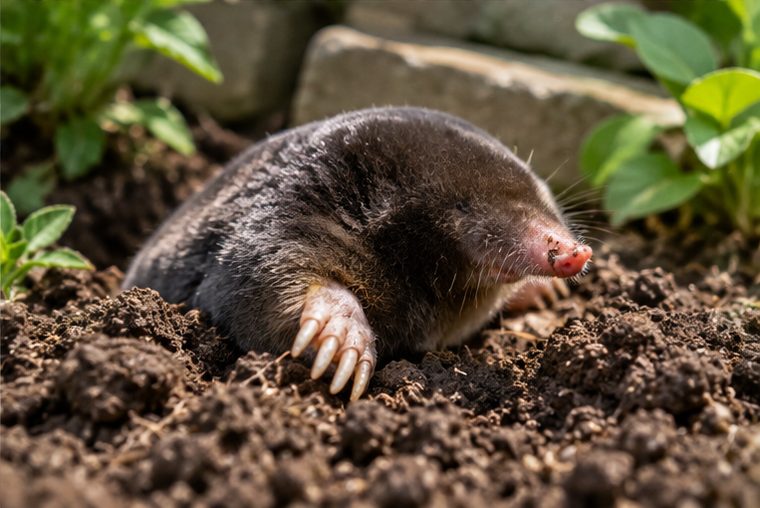
Fresh mounds of loose soil are the classic sign of a mole, but a few other things can look similar, so it pays to check properly.
Read the guide →If new molehills keep appearing after you have cleared the old ones, the cause is usually food, soft soil and a tunnel network that never really goes away.
Read the guide →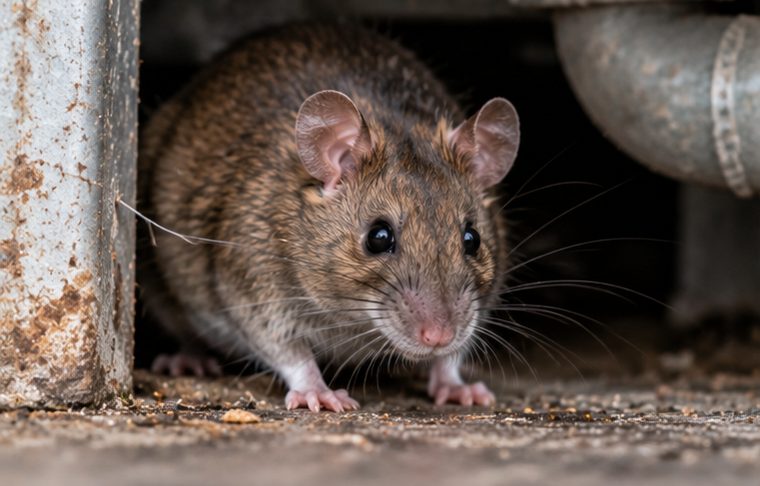
Most household pests leave clues behind, and learning to read droppings, damage, noises and timing will help you decide what you are dealing with and what to do next.
Read the guide →Woodland edges have soft soil and plenty of worms, so moles are often nearby, and they can travel under fences into gardens. The forest does not cause the problem directly, but it does make an arrival more likely at your boundary.
They do not eat plants, but tunnels can undercut roots and bulbs so that they dry out or topple. Plants may then look sickly. Pressing the soil back and watering after the moles have gone often helps them recover.
No, please leave them in place. Fresh hills tell us which tunnels are active. Once the work is finished you can rake them flat and use the soil on the lawn, and we will give you simple tips for doing it.
Tell us what you have found and roughly where it is. We will come back to you — or call 01245 327 274 if it is urgent.