
Epping is a market town with an older high street, period properties and woodland on its doorstep, and its homes tend to have the character that moths like: deep wardrobes, original floorboards, wool carpets and attics full of stored belongings. We provide moth control in Epping that begins by identifying whether the culprit is a clothes moth, carpet moth or pantry moth.
After that we inspect the property thoroughly, treat the places where larvae are feeding and give practical advice on cleaning, washing and storage so your woollens and carpets stay protected through the next winter and the one after.
 BPCA Member
 CHAS Accredited
 Buy With Confidence
 Three Best Rated 2026
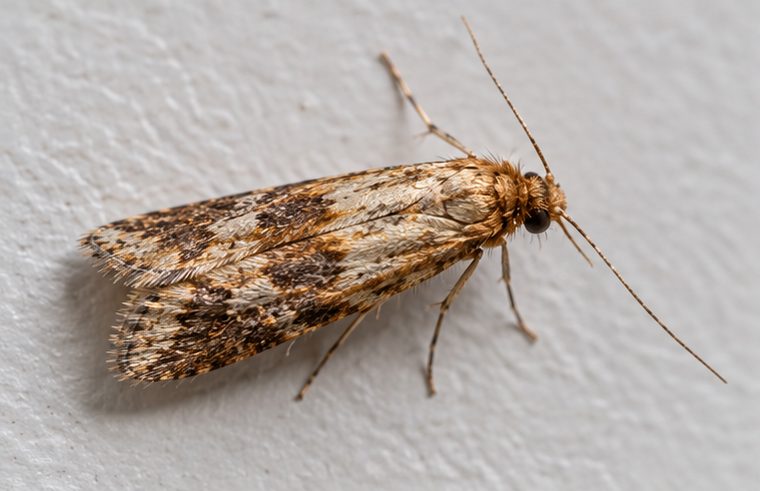
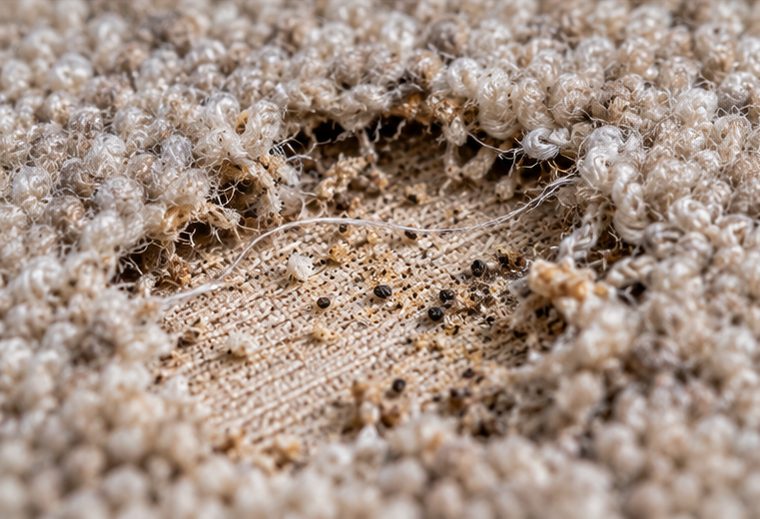
In period properties, gaps between floorboards collect dust, hair and fibre, which gives carpet moth larvae a ready food supply under rugs and along skirting boards. Built-in cupboards, chests and attic trunks add more dark, still places. Larvae eat wool, silk, fur, felt and cashmere, and in a big old Epping house they can cause damage unnoticed for months before anyone opens the right cupboard.
Adults are small and buff coloured and avoid light, so many Epping homeowners only discover the problem when they find holes in a jumper or a worn-looking patch in a carpet. We look for silky webbing, tiny cases and larvae, and check beneath furniture and at carpet edges, because the first sign you notice is often some distance from the source of the problem.
Living so close to Epping Forest, many households keep country coats, wool blankets, rugs and outdoor clothing that spend long periods in cupboards, hallways and garages between uses. These items can carry eggs from elsewhere, and once they are stored away, moths can breed unseen in the dark for several weeks. Other insects may share these spaces, which is why identifying the species before any treatment really matters.
Our treatment is targeted at the infested areas and not applied indiscriminately around a family home. Alongside it we recommend hot washing or freezing small items, vacuuming wardrobes and carpets thoroughly, and storing clean clothing in sealed bags. Pheromone traps are placed so you can follow progress, and we explain what a good result looks like and when to get in touch again.
We cover Epping and the CM16 postcode area, including homes on the quieter roads towards the forest. We also work in Loughton, Harlow and Brentwood. If you have found damage and are not sure whether moths are to blame, give us a description and we will tell you plainly what to look for and whether a visit is worthwhile.
We cover towns and villages across Essex. Choose your area to see how moth control works locally.
Clothes moths damage natural fabrics quietly, so by the time holes appear the problem has often been developing for weeks in a dark, undisturbed corner.
Read the guide →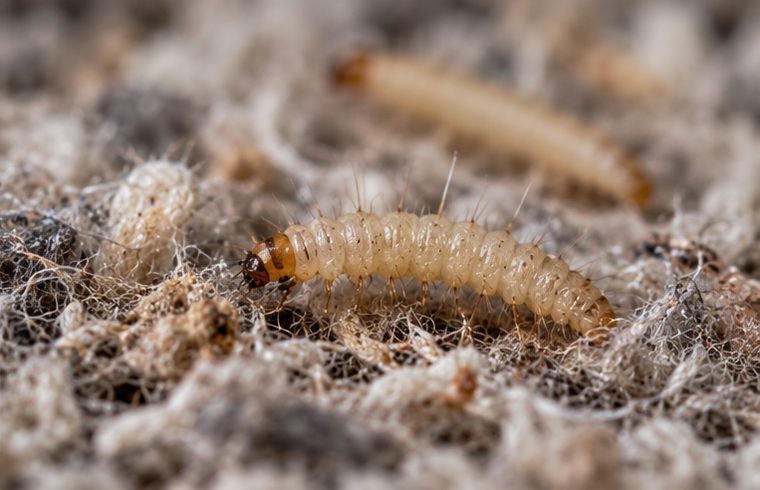
Moth larvae thrive on natural fibres left in dark, still places, so protecting wool and carpets comes down to cleanliness, airflow and sensible storage.
Read the guide →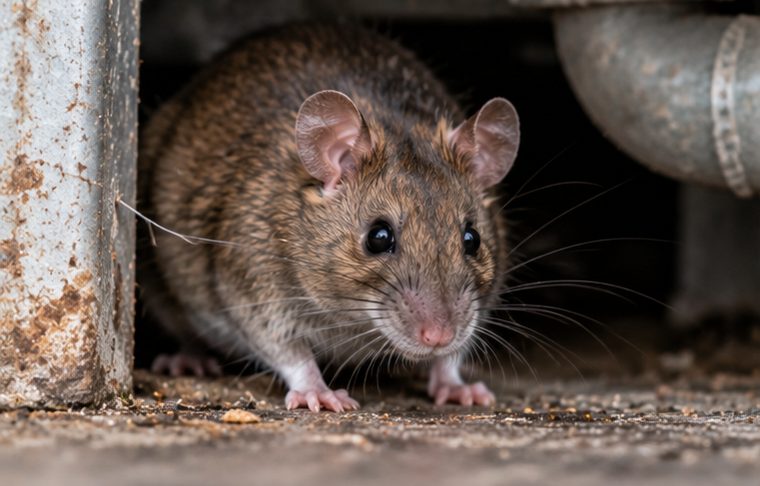
Most household pests leave clues behind, and learning to read droppings, damage, noises and timing will help you decide what you are dealing with and what to do next.
Read the guide →Yes, carpet moth larvae can live in the dust, hair and fibre that collects in gaps beneath rugs and skirting boards. We inspect these areas, treat where larvae are found and advise on regular vacuuming to keep the food supply down.
Not always. We inspect first and tell you which wardrobes or rooms need attention. Where larvae are found, items are normally washed, frozen or sealed, and the wardrobe vacuumed and treated. We explain all of this clearly before any work starts.
No. Pheromone traps attract and catch adult males and show you whether activity is falling, but they do not remove larvae feeding in carpets or clothes. They are a good way to monitor activity alongside inspection and targeted treatment, not a replacement for it.
Tell us what you have found and roughly where it is. We will come back to you — or call 01245 327 274 if it is urgent.