
Epping sits on the edge of Epping Forest, with an older high street and plenty of period properties. Carpet beetles are a natural part of the countryside, living in old nests and plant debris, and the adults wander into houses in warm weather. Once inside, the larvae feed on wool, fur, feathers and silk in places you rarely look.
We find the source, treat the affected areas and explain what to wash, vacuum and store so your carpets and clothes stay safe. Visits cover homes and small businesses, and we are happy to look at one room or the whole property.
 BPCA Member
 CHAS Accredited
 Buy With Confidence
 Three Best Rated 2026
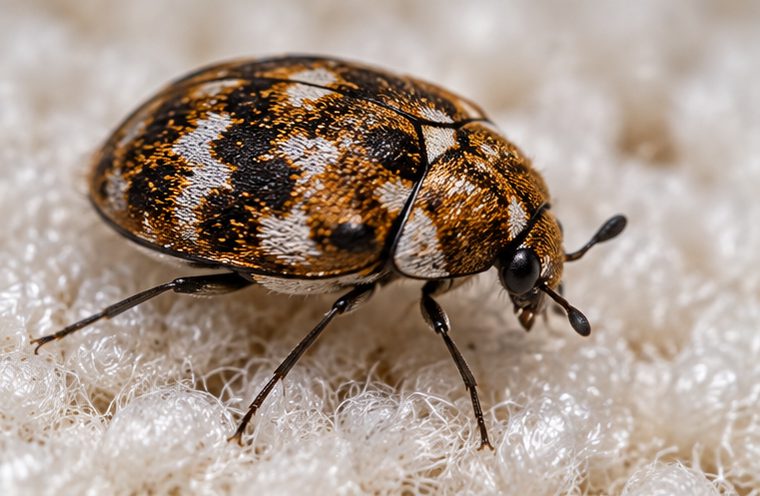
Woodland close by means plenty of natural debris and old nests, which are where carpet beetles breed outdoors. Adults emerge in spring and head for flowers, and then for open windows. A property near the forest edge in Epping may see more of them in summer than one in the middle of town, although the beetles can reach any house with an open window.
Period properties add their own hiding places: gaps under floorboards, thick skirting, chimney breasts, lofts with old insulation and cupboards full of heirloom textiles. A larva needs only a little fibre and dust to survive, so we search carefully, starting where the damage is and working back to the source, since in Epping the damage in a carpet may be well away from where the larvae are living.
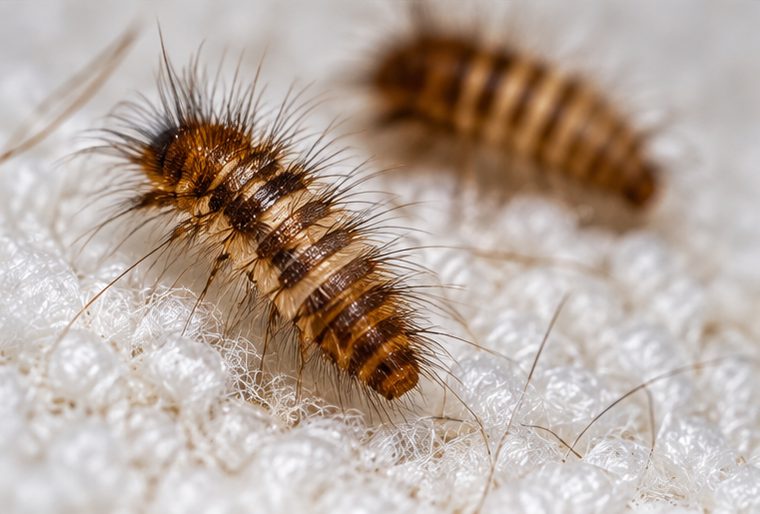
Old nests in Epping lofts and eaves can hold dead insects, feathers and fur that carpet beetle larvae feed on. If you have had a nest in the roof space, or had one removed, the debris left behind can keep feeding a population long afterwards, even when the original occupants are long gone. It is worth having the space checked, particularly if beetles keep appearing in upstairs rooms.
Where we can safely reach, we inspect lofts and roof voids, then treat the areas where activity is found. We follow up with advice on vacuuming and laundry. We cover CM16, and we also cover Loughton, Harlow and Brentwood for neighbouring jobs, whether the property is a period cottage or a modern flat, and we take the same careful approach to each.
If your Epping home has wool rugs, tapestries, fur or old family textiles, protect them with simple habits. Clean items before storage, use sealed boxes or bags, and look them over every few months. Move rugs occasionally and vacuum underneath. If something has already been affected, we can say whether it is worth saving once the source has been dealt with.
We cover towns and villages across Essex. Choose your area to see how carpet beetle control works locally.
Carpet beetle damage is often found before the insects are, so knowing what small holes, shed skins and thinning patches mean helps you act early.
Read the guide →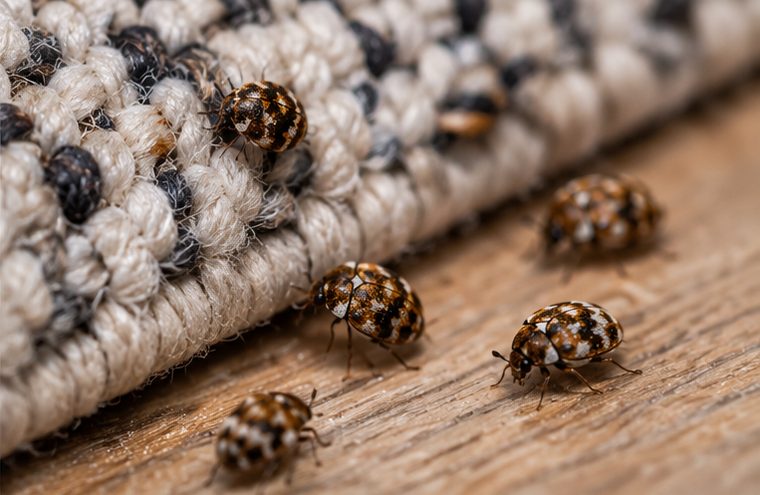
Once carpet beetles have been dealt with, steady cleaning habits, tidy storage and a few small repairs make it much harder for them to settle again.
Read the guide →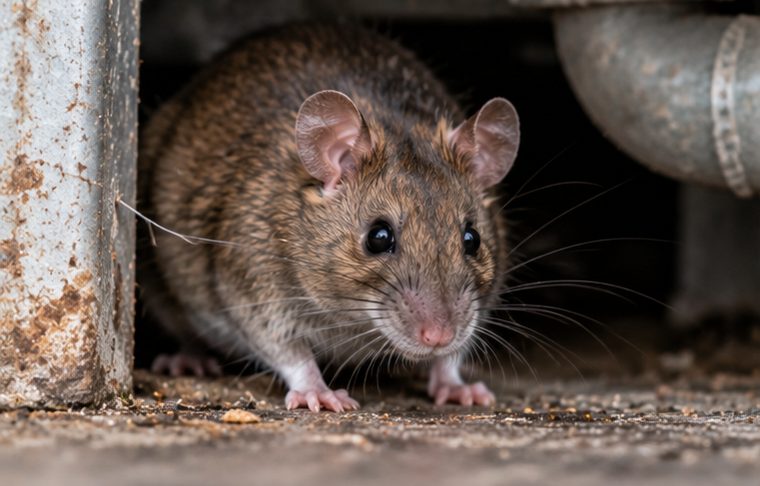
Most household pests leave clues behind, and learning to read droppings, damage, noises and timing will help you decide what you are dealing with and what to do next.
Read the guide →They live naturally in the countryside, so homes close to woodland may see adults arriving in spring and summer. That does not mean you will get larvae indoors, but it is worth checking windowsills and carpet edges. Simple housekeeping makes a big difference.
Take it outside if you can, shake and vacuum it thoroughly, and check the underside for larvae and skins. Small rugs may be hot washed or frozen if suitable. Do not put it back until the room has been inspected, or the problem can simply return.
A few larvae often means there are more nearby and a source you have not found yet. Early treatment is usually simpler and limits damage. We can inspect, tell you honestly how serious it looks, and recommend only what is needed.
Tell us what you have found and roughly where it is. We will come back to you — or call 01245 327 274 if it is urgent.