
Maldon is a town of quayside buildings, sailing clubs, food businesses and homes of every age, and carpet beetle can be an issue in all of them. Larvae feed on wool, felt, feathers and dried food, so a store of sailing jumpers or a shelf of dry goods can be just as vulnerable as a bedroom carpet.
We provide carpet beetle control in Maldon and the CM9 area, for households and for businesses. A technician inspects the property, tracks down where the larvae are feeding, applies a targeted treatment and gives practical advice on cleaning, storage and stock rotation, so the problem is dealt with properly.
 BPCA Member
 CHAS Accredited
 Buy With Confidence
 Three Best Rated 2026
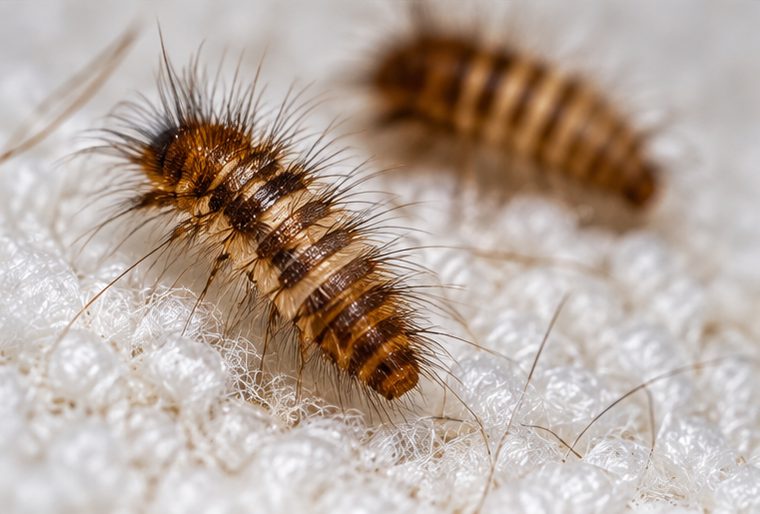
Older buildings often have timber floors, hidden voids, boxed-in pipes and rarely opened cupboards. In a town with so many period properties, that is a lot of quiet space for carpet beetle. A sail bag, a stack of blankets, a coat rail in a boat shed or an old rug in an attic room can all hold larvae without any visible sign.
Because Maldon has an active sailing community, plenty of woollen and fleece kit is stored away between seasons, sometimes slightly damp and often unwashed. That is exactly what larvae enjoy. Check items before they go into storage, make sure they are clean and dry, and look again when you take them out. If you see fine holes or papery skins, let us know.
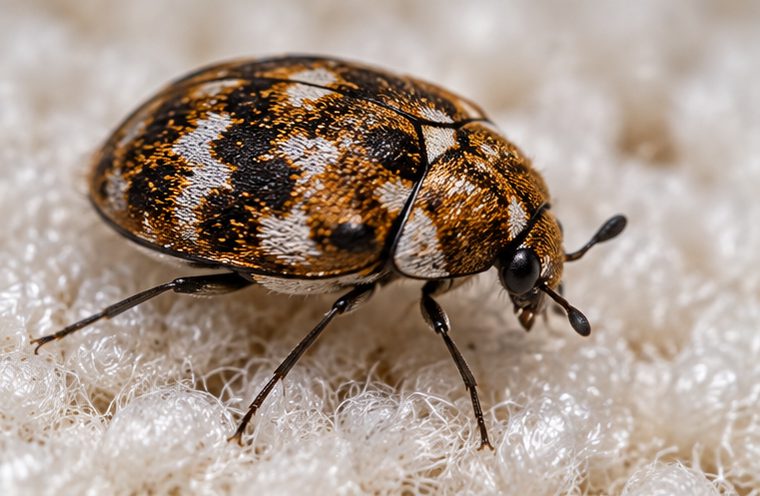
Carpet beetle larvae also eat dried food, so cafes, delis and other food businesses in the town should know the signs. Look for small bristly larvae or skins in flour, grain, pet food and dry goods, along shelf edges, and in dusty corners of storerooms. Packaging can carry them in from suppliers, so inspecting deliveries as they arrive is a good habit worth building into your routine.
If you run a food business, we can inspect the premises, identify the pest and treat the areas affected, always with food safety in mind. We will tell you what stock to remove, how to clean shelving and what to change in storage so the problem does not return. Records of what was found and done are useful for your own checks.
At home, treatment follows the same pattern: find the source, treat the carpet edges and hiding places, vacuum well and wash what can be washed. Stored woollens belong in sealed bags or lidded boxes, and old nests in lofts and eaves should be cleared. If you are in Maldon and have found holes you cannot explain, call us and we will take a look. We also cover Chelmsford, Witham and Clacton-on-Sea.
We cover towns and villages across Essex. Choose your area to see how carpet beetle control works locally.
Carpet beetle damage is often found before the insects are, so knowing what small holes, shed skins and thinning patches mean helps you act early.
Read the guide →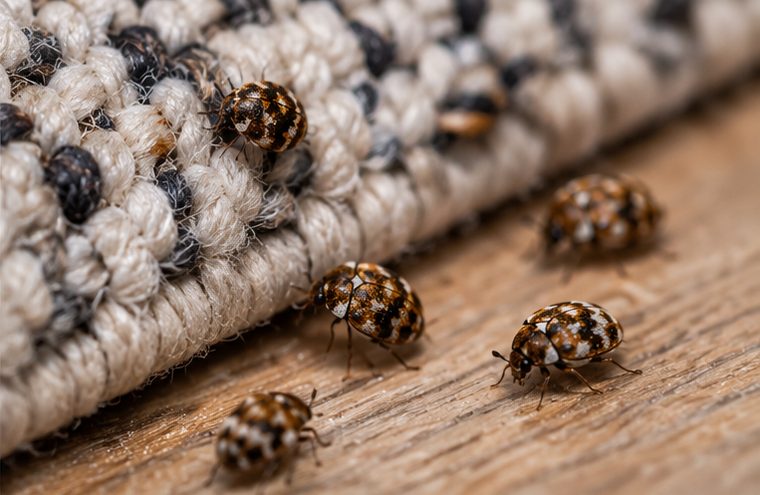
Once carpet beetles have been dealt with, steady cleaning habits, tidy storage and a few small repairs make it much harder for them to settle again.
Read the guide →
Most household pests leave clues behind, and learning to read droppings, damage, noises and timing will help you decide what you are dealing with and what to do next.
Read the guide →Yes. Larvae eat flour, grain, pet food and other dried goods as well as fibres. They tend to hide in shelf joints and storeroom corners. An inspection identifies the source and which stock is affected, and we advise on cleaning and storage that makes a return less likely.
It is better to keep wool clean, dry and sealed. Sheds are quiet and often untidy, which suits larvae, and used clothing carries sweat and food traces. Wash items first, then store them in airtight bags or boxes and check them before each season.
Keep any larvae, shed skins or adult beetles you find in a small sealed container or on sticky tape. A clear close-up photo next to a coin helps with scale. This lets us confirm the species before visiting and avoid confusion with moths.
Tell us what you have found and roughly where it is. We will come back to you — or call 01245 327 274 if it is urgent.
