
If your lawn in Maldon has started to look like a ploughed field in miniature, a mole is the likely cause. We trap garden moles across the town and the countryside around it, working from the evidence on the ground to find where the animal is travelling and where a trap will do its job.
Maldon sits on the River Blackwater, with a quayside, older buildings and plenty of open land beyond the edge of town. Some gardens here are small and sheltered, others are generous plots that run out towards fields. Each calls for a slightly different approach, which we explain on the day.
 BPCA Member
 CHAS Accredited
 Buy With Confidence
 Three Best Rated 2026
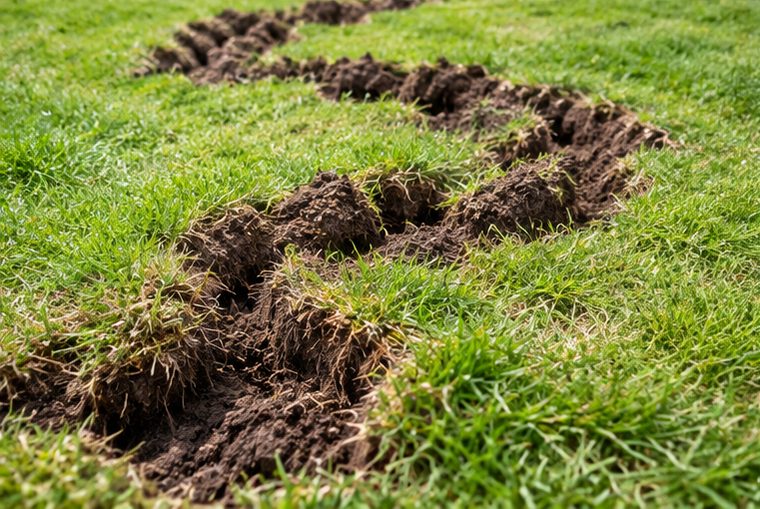
The classic clue is a molehill: a cone of loose, crumbly soil with no hole visible on top. Beneath the turf you may also find a ridge, which is a shallow feeding tunnel. A single hill might be a one-off, but three or four in a short line point to a main run, which is where we concentrate our attention and where the first trap usually goes.
Soil near an estuary can be heavy and damp, which holds worms well and makes it easy for moles to dig. After a spell of rain the hills can multiply quickly. Look at the grass between hills too, because roots cut off by tunnelling turn yellow and thin out, and the lawn can feel spongy or hollow underfoot where a tunnel runs just beneath the surface.
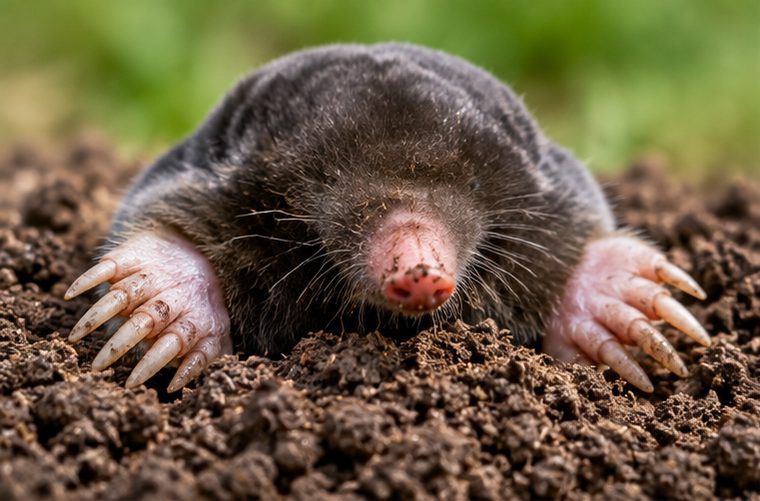
We walk the garden, confirm that moles are responsible and mark where the main runs seem to lie. Traps go into the tunnel itself, which is opened briefly and then covered so the mole is not alarmed. We check them regularly and remove any that are no longer needed, rather than leaving equipment buried in your lawn, and we tell you what we found each time.
In Maldon we are often asked to look at larger areas, such as a long garden that runs out to a field or a bowling green style lawn. The same principle applies on any scale: find the runs that are really being used, trap in those, and be honest about whether more animals could follow from neighbouring ground, since a garden beside open land is easy for a mole to reach.
When the traps stop catching and fresh heaps stop appearing, you can start the repair. Rake the soil flat, firm down hollow tunnels, and reseed patches where the grass has died back. Water in dry spells so new growth establishes. Maldon gardens close to open land may see a new mole in time, so a quick weekly walk round the lawn is worthwhile. We also cover Chelmsford and Witham.
We cover towns and villages across Essex. Choose your area to see how garden mole removal works locally.
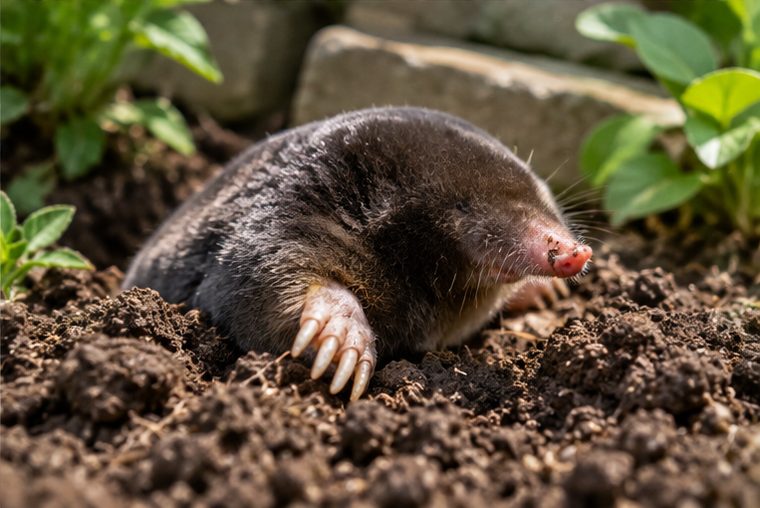
Fresh mounds of loose soil are the classic sign of a mole, but a few other things can look similar, so it pays to check properly.
Read the guide →If new molehills keep appearing after you have cleared the old ones, the cause is usually food, soft soil and a tunnel network that never really goes away.
Read the guide →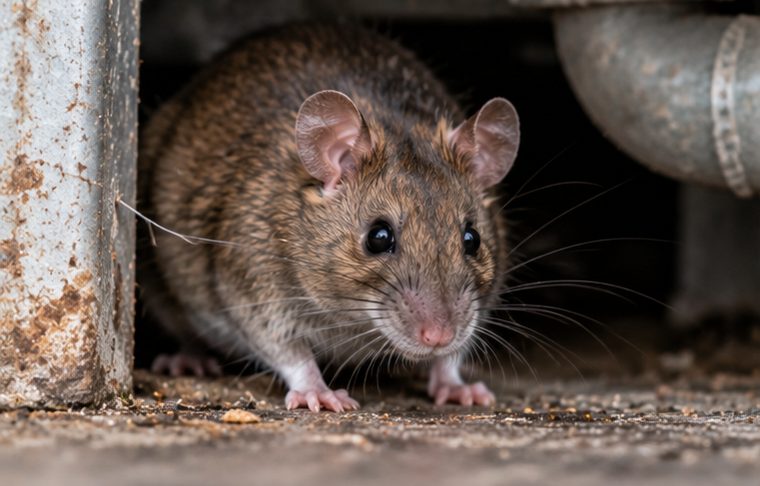
Most household pests leave clues behind, and learning to read droppings, damage, noises and timing will help you decide what you are dealing with and what to do next.
Read the guide →No. Moles live underground and feed on earthworms, so they are not an indoor pest. If you hear noises inside the house, it is more likely to be rats or mice, and we can look at that separately.
Yes, the method is the same on larger ground. We find the main runs, set traps in them and check regularly. On big areas it takes more time, so we plan the visits around the size of the land.
It can be, but we will be honest that new moles may arrive from the neighbouring land later. Trapping clears the animals currently damaging your lawn, and regular checks let you catch any newcomer early, before the lawn is damaged again.
Tell us what you have found and roughly where it is. We will come back to you — or call 01245 327 274 if it is urgent.