
Netting and spikes are the two main humane ways to keep pigeons off commercial buildings, and each suits different parts of a roof.
Warehouses, factory units, retail parks and offices give pigeons exactly what they want: ledges to perch on, sheltered voids to nest in and food scraps nearby. Across Essex, from commuter-town business parks to the port and estuary-side industrial areas, the same pattern appears. Once pigeons settle on a building they return daily, and numbers grow if nothing is done. Large flat roofs, open eaves and steel-framed units are particularly appealing, and so are buildings next to car parks or bins where food waste is easy to find. A quick look at the roofline at dawn often shows how many are already using it.
Droppings foul entrances, loading bays and signage, and can create slip risks on walkways. Nesting debris blocks gutters, downpipes and roof outlets, which can lead to water getting into the building. Contamination near food areas raises hygiene concerns, and the visual effect on customers and staff is hard to ignore. Left alone, these problems tend to grow, and cleaning costs and disruption grow with them. Each of these is easier to prevent than to put right afterwards.
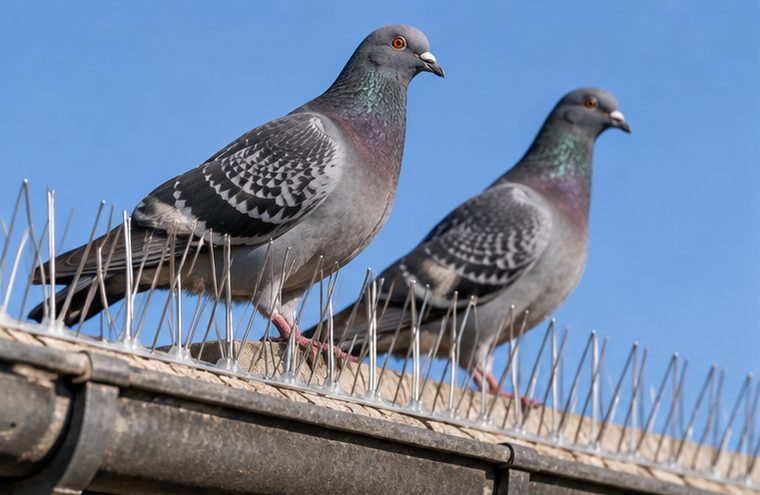
Netting creates a physical barrier across an open space, such as a roof void, loading bay, under a canopy or between steel beams. Birds cannot reach the area, so they cannot roost or nest there. It is the most complete answer for large areas, and once fitted correctly it is discreet and long lasting. It needs careful fitting so there are no gaps or loose edges that could trap a bird. Netting that is sagging or torn should be reported straight away.
Spikes are rows of blunt, upward-pointing prongs fixed along ledges, parapets, signs and beams. They do not harm birds; they simply make the surface uncomfortable to land on. They suit narrow, linear perches and are quick to fit, but they are not a solution for wide, flat areas where birds can land between the rows. Debris can also build up in them, so they need occasional checks. They are also useful as a finishing touch beside netting.
Often the answer is a mix. Netting covers voids and larger open spaces, while spikes protect ledges and edges, and some sites also need mesh around plant or solar equipment. The right choice depends on the roof shape, access and the number of birds. Avoid improvised fixes such as loose tape or trinkets, which pigeons usually ignore within days. We will explain which option we recommend for each area and why, so you can see how the parts fit together.
Before anything is fitted, we survey the site to find roosts, nesting spots, entry points and the areas most fouled. Active nests must be left until nesting has finished, and heavy fouling often needs cleaning before proofing, so nothing is sealed in. Working at height on commercial roofs also needs proper access equipment and planning, which is not something to attempt without trained staff.
Proofing is not a one-off job if it is left unchecked. Storms, roof repairs and contractors can loosen netting or knock spikes out of line, giving birds a way back. Arrange periodic inspections, tidy up food waste around bins and loading areas, and tell us promptly if birds start returning. Small repairs early prevent a full re-proof later. Property managers with several units often find a simple yearly check keeps costs and disruption down, and it gives a clear record if tenants ask what has been done about birds.
If you would rather not deal with it yourself, call us on 01245 327 274 or send an enquiry below. You can also read more about our pigeon and solar panel proofing service.
 BPCA Member
 CHAS Accredited
 Buy With Confidence
 Three Best Rated 2026
We cover towns and villages across Essex. Choose your area to see how pigeon proofing works locally.
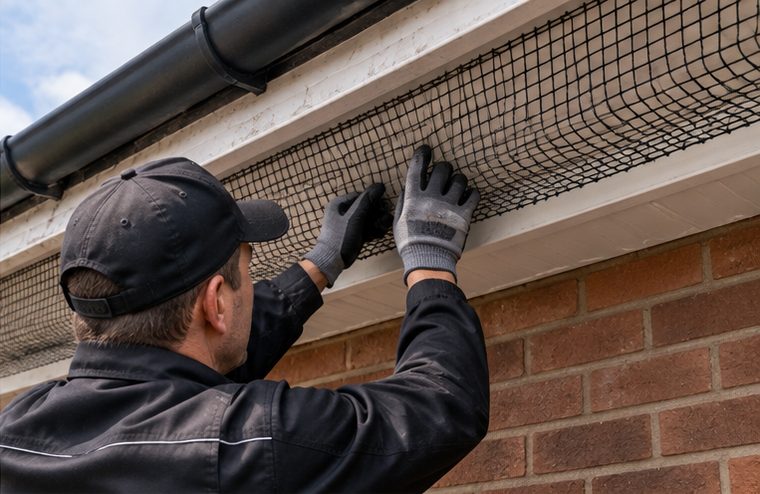
The warm, sheltered gap under rooftop solar panels is very attractive to pigeons, and the fouling and nesting material they leave behind can cause real problems.
Read the guide →
Most household pests leave clues behind, and learning to read droppings, damage, noises and timing will help you decide what you are dealing with and what to do next.
Read the guide →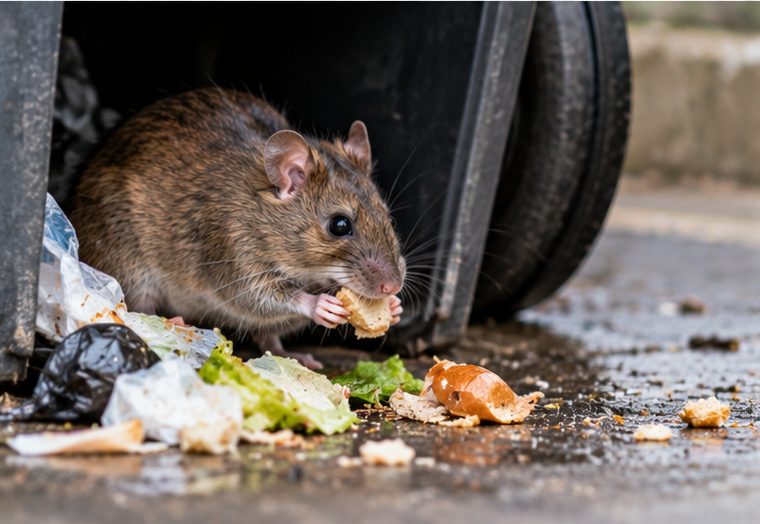
Rats are secretive and mostly active after dark, so the first clues are usually small marks and sounds rather than a sighting of the animal itself.
Read the guide →No. Bird spikes use blunt prongs that make a surface awkward to land on rather than causing injury. They are one of the most widely used humane deterrents. They suit narrow ledges, and they must be fitted properly so birds cannot perch on top or build nests among them.
For wide open spaces, voids and areas under canopies, netting is usually more effective because it blocks access completely. Spikes suit narrow perches like ledges and beams. Many commercial sites use both, and a survey will show which parts of your building need which.
Active nests with eggs or young should not be disturbed, so proofing is timed for when nesting has finished. We assess this at the survey stage. Sealing birds in or out of a nest causes distress and is not how we work, so the order of work matters.
Well fitted netting and spikes can last for many years, but weather, roof work and general wear all take a toll. Regular checks catch loose fixings and gaps early. Keeping food waste under control around the building also reduces the pull that brings birds back to the site.
Tell us what you have found and roughly where it is. We will come back to you — or call 01245 327 274 if it is urgent.
