Grays is a Thames-side town with a town centre, large estates, a busy riverside and industrial and logistics sites nearby. That gives pigeons large, sheltered buildings to roost in, lorries and loading yards where food gets dropped, and plenty of ledges on both commercial and residential blocks. Left alone, the problem usually grows.
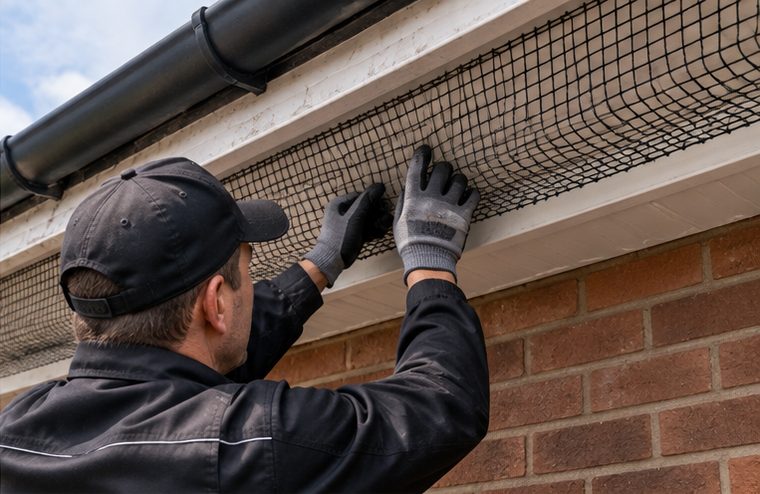
We survey first, then fit humane proofing that fits the site. Netting keeps birds out of open bays and roof spaces, spikes and wire stop them landing on ledges, and mesh closes the gap beneath solar panels. None of it harms the birds, and we plan the work around how your site operates.
 BPCA Member
 CHAS Accredited
 Buy With Confidence
 Three Best Rated 2026
Logistics buildings have wide doors, high roofs and loading bays that stay open for deliveries, and pigeons walk straight in. Once inside they roost on girders and racking, and droppings can contaminate stock, packaging and floors. For a business that handles goods for others, that is a risk worth taking seriously, and staff end up spending valuable time clearing it away every week.
Netting across openings and beneath roof trusses stops birds entering, while spikes and wire cover external ledges and canopy edges. We assess the height and access needs at the survey, and plan around vehicle movements and shifts. On large Grays sites, we can stage the work so that one part of the building is protected completely before we move on to the next.
Buildings near the river and in the centre of Grays have open aspects and plenty of ledges, signs and parapets. Pigeons gather wherever food is dropped near shops and takeaways, and droppings spoil entrances, cars and outdoor seating. Flats above shops can be hit too, with birds on balconies and windowsills, and tenants asking the landlord to act on their behalf quickly.
We fit slim spikes or wire along signs and ledges and seal recesses with netting where nests have started. Because this is a public area, we keep the work tidy and quick, and we advise on bins and seating so that food sources are reduced. That makes the proofing work harder and keeps frontages cleaner for far longer than cleaning alone would.
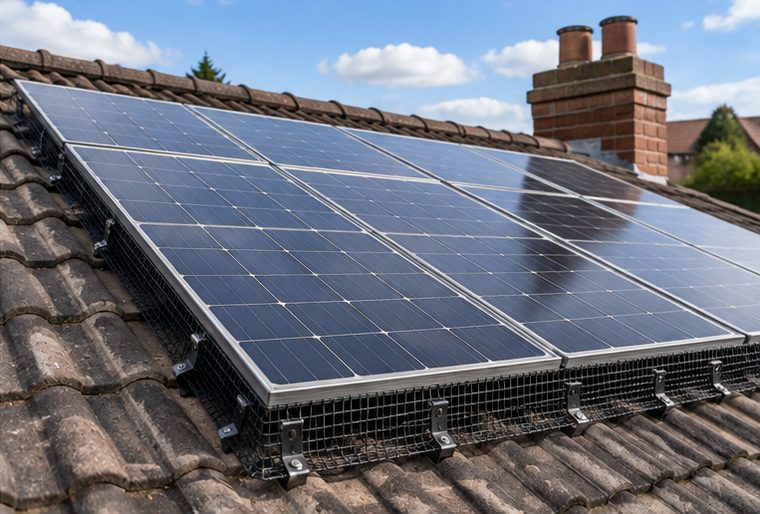
On the large estates, we are often asked about flat roofs on garages, porch roofs and solar panels where birds settle. Gutter guards and panel mesh are the usual answers. We cover RM16 and RM17 in Grays and also work in Brentwood, Basildon and Billericay. Describe what is happening and we will arrange a survey of the property.
We cover towns and villages across Essex. Choose your area to see how pigeon proofing works locally.
The warm, sheltered gap under rooftop solar panels is very attractive to pigeons, and the fouling and nesting material they leave behind can cause real problems.
Read the guide →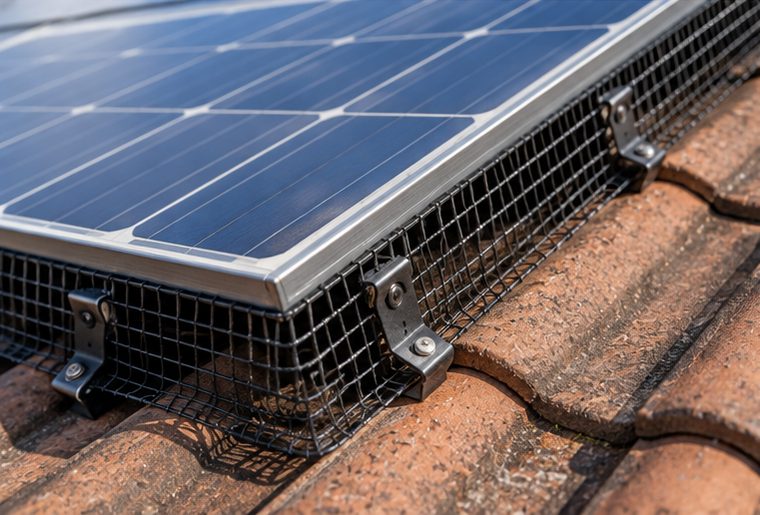
Netting and spikes are the two main humane ways to keep pigeons off commercial buildings, and each suits different parts of a roof.
Read the guide →
Most household pests leave clues behind, and learning to read droppings, damage, noises and timing will help you decide what you are dealing with and what to do next.
Read the guide →In most cases, yes. We net the roof space and openings in sections and plan around vehicle movements and shift patterns. At the survey we agree which areas can be closed off and when, so the site keeps working.
Large buildings offer shelter, ledges and warmth, and yards offer dropped food and spilled grain or packaging. Once pigeons find a safe roost they stay. Proofing the roosts and cutting the food supply is what moves them on.
Often yes. Heavy droppings can spread germs and stop fixings holding. We tell you at the survey whether cleaning is needed, how it would be done and what protection is used, so the area is safe before we begin.
Tell us what you have found and roughly where it is. We will come back to you — or call 01245 327 274 if it is urgent.
