
Colchester has a very mixed stock of housing, from old terraces near the centre to family homes on the outskirts, plus schools, sports grounds and rental properties used by students. Wherever there is a lawn and soft soil, moles can move in, and a few heaps of earth can quickly turn into a lumpy, torn-up garden.
We confirm that moles are responsible, find the main tunnels and trap in them, checking regularly. Moles never come into houses. If you are a landlord, a letting agent or a tenant, we can also explain who should repair the grass and how.
 BPCA Member
 CHAS Accredited
 Buy With Confidence
 Three Best Rated 2026
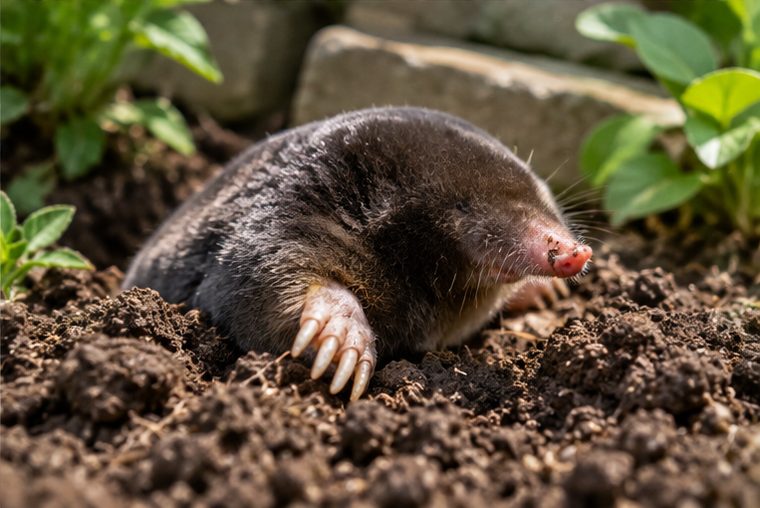
Colchester has a large rental market, and molehills in a let property raise a practical question about who deals with them. That is for tenant and landlord to agree, but the lawn does not wait. A tunnel network grows daily, so an early call limits the damage and reduces the cost and effort of repairing the turf later, especially before a tenancy ends.
We can look at the garden, tell you what is happening and report back so that everyone sees the same picture. Across CO1 to CO4, the signs are the same wherever you are: loose heaps of fine soil, raised ridges of turf, and soft patches that sink slightly underfoot. We talk through what we find in plain terms, without jargon. If a landlord or agent needs a note of the findings, we can supply one.
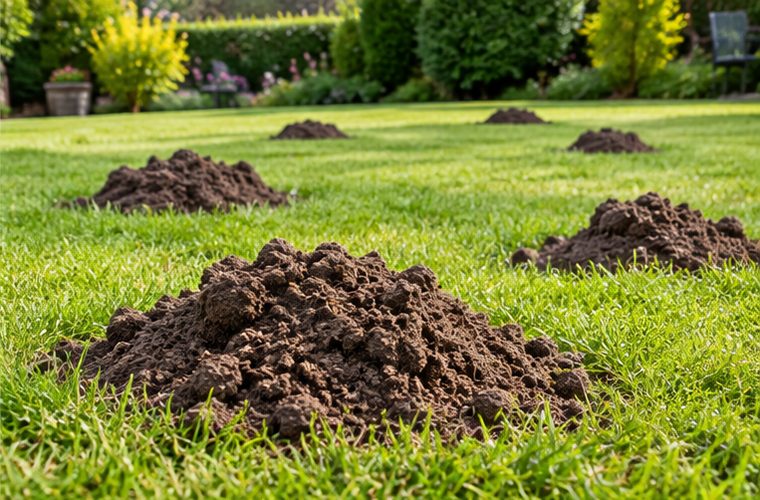
A mole may leave dozens of hills yet use only a few tunnels over and over. We work out which ones, usually the straighter, deeper runs, by probing and by tracing the ridges. Traps go into those runs, and we check them at regular intervals so that our visits fit with access to the garden and nothing is left unattended for long.
Larger sites in Colchester, such as school fields, club grounds and shared gardens, need a bit of planning. We tell you how long we expect to be, which areas to keep clear and how we will mark the traps. No one benefits from a rushed job, and we would rather be clear with you than optimistic about the outcome until we have seen the ground.
After trapping, rake the soil flat, fill dips and press down collapsed runs. Reseed any bare patches in mild weather and water them until they take. A flat, firm surface makes it easy to spot new heaps in Colchester if a fresh animal arrives from nearby land. We also cover Clacton-on-Sea, Witham and Braintree if you have another property there.
We cover towns and villages across Essex. Choose your area to see how garden mole removal works locally.
Fresh mounds of loose soil are the classic sign of a mole, but a few other things can look similar, so it pays to check properly.
Read the guide →
If new molehills keep appearing after you have cleared the old ones, the cause is usually food, soft soil and a tunnel network that never really goes away.
Read the guide →
Most household pests leave clues behind, and learning to read droppings, damage, noises and timing will help you decide what you are dealing with and what to do next.
Read the guide →That depends on the tenancy agreement, so check it or ask the agent. What matters for the lawn is that the animal is dealt with promptly. We can inspect the garden and give a clear explanation of what we find.
Yes. We work on pitches, school fields and other open grass. We plan the traps around match and play times, mark them clearly and tell you which areas to keep people away from until the work is finished.
Sometimes they move on, but often they stay while food remains, and new ones may take over an abandoned tunnel. Waiting usually means more digging and more repair work, so it is worth getting a clear answer early.
Tell us what you have found and roughly where it is. We will come back to you — or call 01245 327 274 if it is urgent.
