Colchester is an old garrison city with an historic centre, a university and a big rental market, so the range of properties we see is wide: Victorian terraces, shared student houses, modern flats and family homes. Our moth control in Colchester starts with working out whether you have clothes moths, carpet moths or pantry moths, because the treatment depends on the answer.
We then inspect the property, treat the areas where larvae are feeding and explain clearly what you, your tenants or your landlord can do to keep the problem from coming back after we leave, whether that is a change of habit or simply a better way of storing things.
 BPCA Member
 CHAS Accredited
 Buy With Confidence
 Three Best Rated 2026
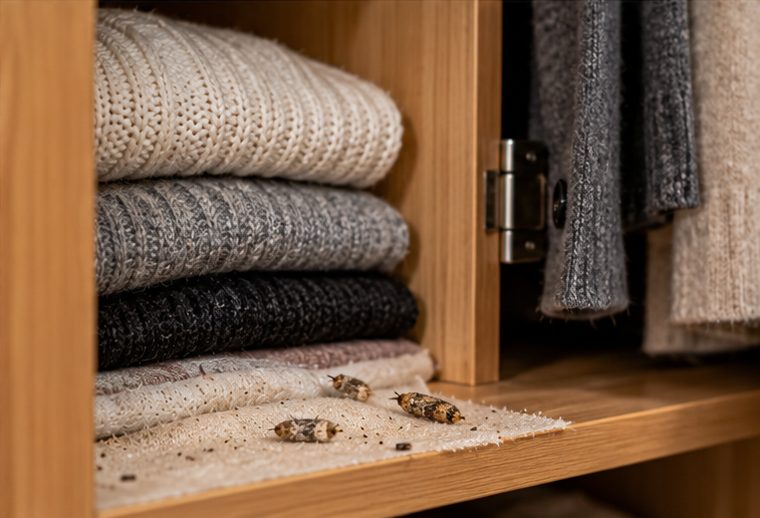
Period properties near the old centre often have timber floors, thick carpets laid over them, deep cupboards and loft spaces that have collected stored items over many years. Moth larvae feed on wool, silk, fur, felt and cashmere, and they thrive in undisturbed gaps beneath furniture and along the edges of fitted carpet. Damage tends to look like irregular holes with silky webbing.
Adult moths in Colchester houses are small, buff coloured and shy of light, so you will seldom see more than one or two, even when damage is widespread. We inspect wardrobes, carpets, skirting edges, the undersides of sofas and any loft storage. The pattern of damage tells us where it began and how far it has gone, which decides where we concentrate treatment and what you can safely leave alone.
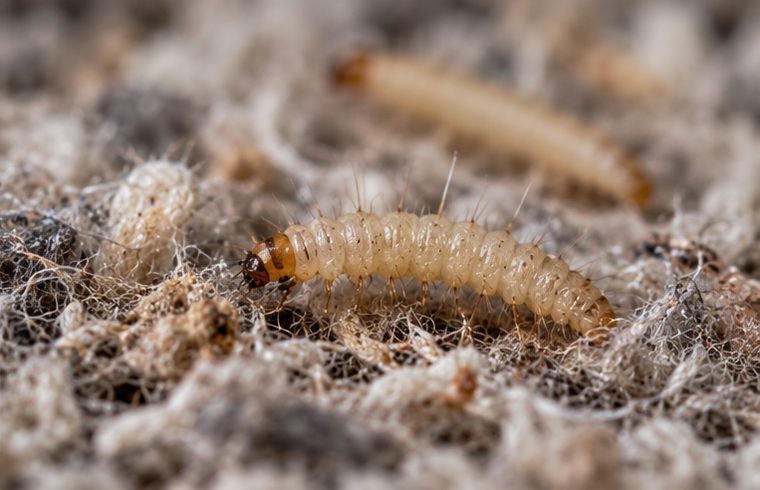
With a large student rental market, Colchester has many shared houses where belongings arrive and leave every year. Second-hand furniture, rugs and bedding can bring moths in, and rooms left empty over the summer holidays are quiet places for larvae to feed undisturbed. Pantry moths are also common in shared kitchens where open packets of flour, cereal and pet food are stored for months.
For landlords and agents we inspect between tenancies, identify the moth, treat the affected rooms and give written-style notes on what we found so you can decide what to ask of tenants. Tenants get practical advice that is easy to follow: store clothes in sealed bags, bin infested dry food, vacuum floors and shelves, and keep traps out for a few weeks to check progress.
We cover Colchester and the CO1 to CO4 postcodes, including the centre, the university area and the residential suburbs. We also work in Clacton-on-Sea, Witham and Braintree. Whether you are a householder with one damaged cardigan or an agent with a block of lets, tell us what you have found and we will explain how we would approach it.
We cover towns and villages across Essex. Choose your area to see how moth control works locally.
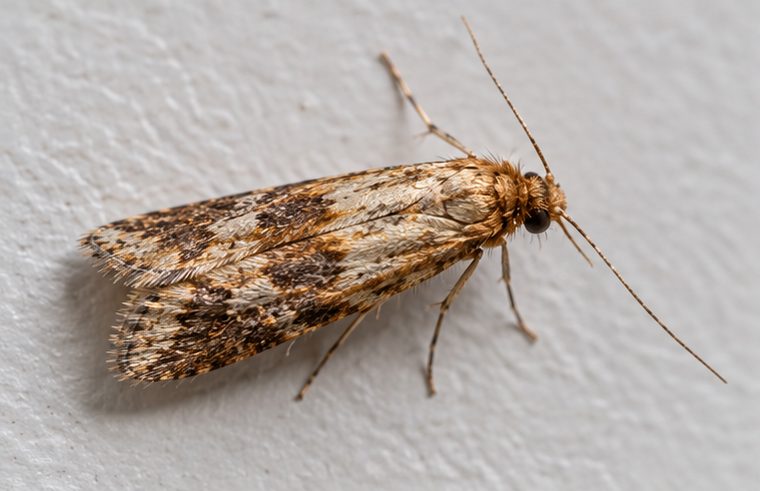
Clothes moths damage natural fabrics quietly, so by the time holes appear the problem has often been developing for weeks in a dark, undisturbed corner.
Read the guide →Moth larvae thrive on natural fibres left in dark, still places, so protecting wool and carpets comes down to cleanliness, airflow and sensible storage.
Read the guide →
Most household pests leave clues behind, and learning to read droppings, damage, noises and timing will help you decide what you are dealing with and what to do next.
Read the guide →That depends on the tenancy agreement and how the problem started, which we cannot decide for you. We can inspect, identify the moth and describe the cause in plain terms, which helps landlords and tenants agree the next step sensibly.
Yes. Used rugs, upholstered chairs, bedding and coats can carry eggs or larvae. Inspect secondhand items before bringing them in, wash or freeze what you can, and call us if you spot webbing, holes or small buff coloured moths.
Avoid moving everything around, which can spread larvae. Bag any washable items you suspect, note where you saw moths or damage, and make wardrobes and the edges of rooms reachable. We will inspect everything else on the day.
Tell us what you have found and roughly where it is. We will come back to you — or call 01245 327 274 if it is urgent.
